

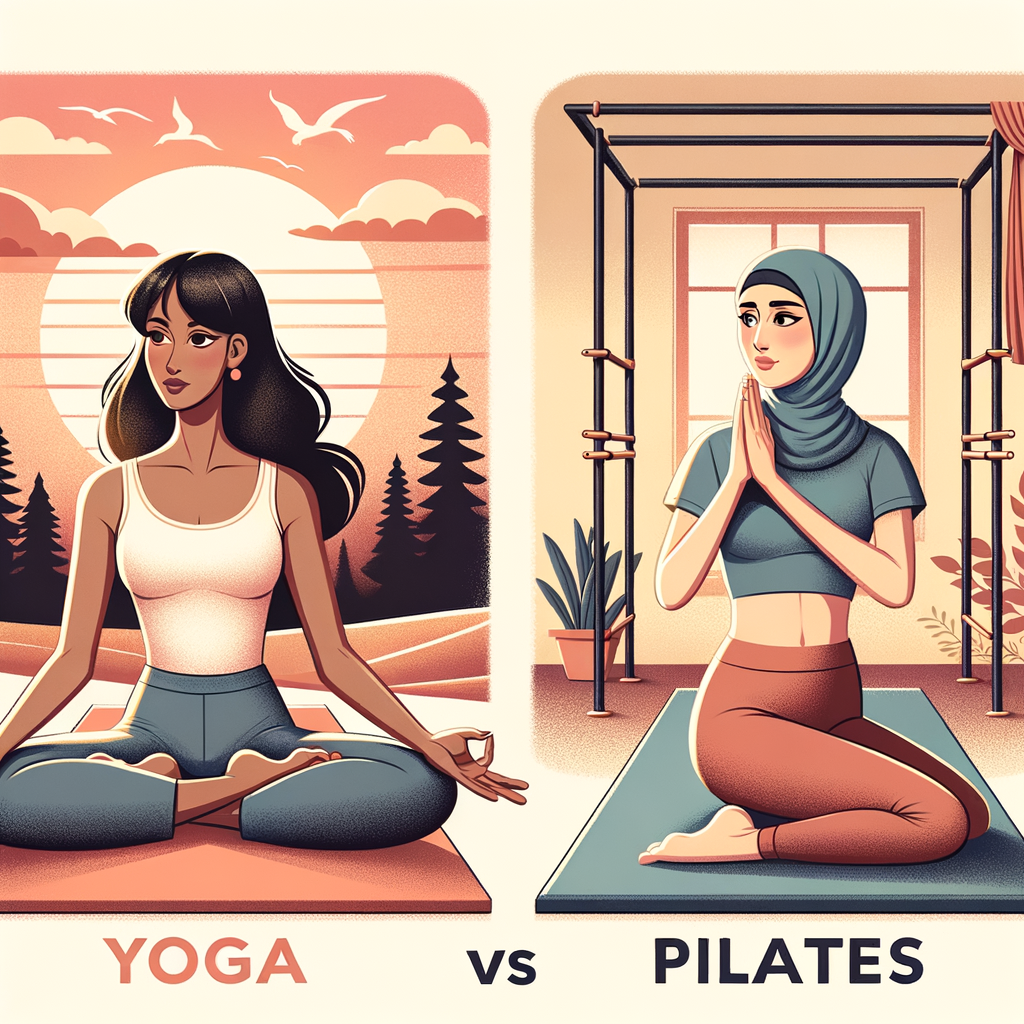
Yoga vs. Pilates: Which Is Better for Your Mental Health?
Table of Contents
Introduction
Yoga and Pilates are both popular forms of exercise that offer numerous physical and mental health benefits. While they share some similarities, they also have distinct differences that can impact their effectiveness for mental health. Yoga, with its focus on mindfulness, breath control, and meditation, has been shown to reduce stress, anxiety, and depression. Pilates, on the other hand, emphasizes core strength, stability, and body awareness, which can also contribute to improved mental well-being. In this article, we will explore the unique benefits of each practice and help you determine which may be better for your mental health.The Mental Health Benefits of Yoga and Pilates: A Comparative Analysis
Yoga and Pilates are two popular forms of exercise that have been gaining popularity in recent years. Both practices offer a range of physical and mental health benefits, but which one is better for your mental health? In this article, we will explore the mental health benefits of both yoga and Pilates and compare them to help you decide which practice is best for you. Yoga is an ancient practice that originated in India over 5,000 years ago. It is a holistic practice that combines physical postures, breathing exercises, and meditation to promote overall well-being. Yoga has been shown to reduce stress, anxiety, and depression, and improve mood and mental clarity. The practice of yoga encourages mindfulness, which is the practice of being present in the moment and aware of your thoughts and feelings without judgment. This can help to reduce rumination and negative thought patterns, which are common in people with mental health issues. Pilates, on the other hand, is a relatively new practice that was developed in the early 20th century by Joseph Pilates. It is a form of exercise that focuses on strengthening the core muscles, improving posture, and increasing flexibility. Pilates also emphasizes the importance of breath control and concentration, which can help to reduce stress and improve mental focus. Like yoga, Pilates can also help to improve mood and reduce symptoms of anxiety and depression. Both yoga and Pilates offer a range of mental health benefits, but there are some key differences between the two practices. Yoga is a more spiritual practice that focuses on the mind-body connection, while Pilates is more focused on physical fitness and strength. Yoga also offers a wider range of practices, including meditation and breathing exercises, which can be particularly beneficial for mental health. One of the key benefits of yoga for mental health is its ability to reduce stress. The practice of yoga encourages relaxation and deep breathing, which can help to activate the parasympathetic nervous system, also known as the “rest and digest” system. This can help to reduce the body’s stress response and promote a sense of calm and relaxation. Pilates also offers stress-reducing benefits, but it may not be as effective as yoga in promoting relaxation and reducing stress. Another benefit of yoga for mental health is its ability to improve mood. The practice of yoga has been shown to increase levels of the neurotransmitter GABA, which is associated with feelings of calm and relaxation. This can help to improve mood and reduce symptoms of anxiety and depression. Pilates can also help to improve mood, but it may not be as effective as yoga in increasing levels of GABA. In conclusion, both yoga and Pilates offer a range of mental health benefits, but yoga may be better for your mental health due to its focus on the mind-body connection and its ability to reduce stress and improve mood. However, the best practice for you will depend on your individual needs and preferences. If you are looking for a more spiritual practice that emphasizes relaxation and mindfulness, yoga may be the better choice. If you are looking for a more physical practice that focuses on strength and flexibility, Pilates may be the better choice. Ultimately, both practices can be beneficial for your mental health, and it may be worth trying both to see which one works best for you.Yoga vs. Pilates: Which Practice Offers Superior Mental Clarity and Relaxation?

When it comes to mental health, there are many different practices that people turn to for relief and relaxation. Two of the most popular practices are yoga and Pilates. Both have been shown to offer numerous benefits for mental health, but which one is better? In this article, we will explore the differences between yoga and Pilates and determine which practice offers superior mental clarity and relaxation. Yoga is an ancient practice that originated in India over 5,000 years ago. It is a holistic practice that combines physical postures, breathing exercises, and meditation to promote mental and physical well-being. Yoga has been shown to reduce stress, anxiety, and depression, and improve overall mental health. The practice of yoga encourages mindfulness, which is the practice of being present in the moment and aware of one’s thoughts and feelings. This can lead to a greater sense of mental clarity and relaxation. On the other hand, Pilates is a more modern practice that was developed in the early 20th century by Joseph Pilates. It is a form of exercise that focuses on strengthening the core muscles, improving posture, and increasing flexibility. Pilates also emphasizes the importance of breath control and concentration, which can help to reduce stress and promote mental clarity. While Pilates is not as focused on meditation as yoga, it still offers many mental health benefits. So, which practice is better for mental health? The answer is not straightforward, as both yoga and Pilates offer unique benefits. However, when it comes to mental clarity and relaxation, yoga may have the edge. The practice of mindfulness in yoga can help to quiet the mind and reduce stress, leading to a greater sense of calm and relaxation. Additionally, the meditative aspects of yoga can help to improve focus and concentration, which can be beneficial for those who struggle with mental clarity. That being said, Pilates should not be discounted when it comes to mental health. The focus on breath control and concentration in Pilates can also help to reduce stress and promote mental clarity. Additionally, the physical benefits of Pilates, such as improved posture and core strength, can also contribute to overall mental well-being. Ultimately, the choice between yoga and Pilates for mental health comes down to personal preference. Some people may find that the meditative aspects of yoga are more beneficial for their mental health, while others may prefer the physical challenge of Pilates. It is important to try both practices and see which one resonates with you. In conclusion, both yoga and Pilates offer numerous benefits for mental health, including reduced stress, improved focus, and increased relaxation. While yoga may have the edge when it comes to mental clarity and relaxation, Pilates should not be overlooked as a valuable practice for mental well-being. The key is to find the practice that works best for you and incorporate it into your routine for optimal mental health.


Comments