


The Shocking Truth About How Yoga Changes Your Brain
Table of Contents
Introduction
The practice of yoga has been around for thousands of years, but only recently has modern science begun to uncover the profound impact it has on the brain. Research has shown that regular yoga practice can lead to significant changes in brain structure and function, including increased gray matter density, improved cognitive function, and reduced stress levels. In this introduction, we will explore the shocking truth about how yoga changes your brain and the potential benefits it can offer for mental health and well-being.The Surprising Science Behind Yoga’s Impact on Brain Function
The Shocking Truth About How Yoga Changes Your Brain Yoga has been practiced for thousands of years, and its benefits for physical health are well-documented. However, recent research has revealed that the practice of yoga can also have a profound impact on brain function. The surprising science behind yoga’s impact on the brain is shedding new light on the ways in which this ancient practice can improve mental health and cognitive function. One of the most significant ways in which yoga changes the brain is by reducing stress and anxiety. The practice of yoga involves deep breathing, meditation, and physical postures that promote relaxation and mindfulness. These techniques have been shown to activate the parasympathetic nervous system, which is responsible for the body’s “rest and digest” response. This activation leads to a decrease in the production of stress hormones like cortisol, which can have a detrimental effect on brain function. By reducing stress and anxiety, yoga can help to improve mood, increase focus, and enhance overall cognitive function. In addition to reducing stress, yoga has also been shown to increase the production of brain-derived neurotrophic factor (BDNF), a protein that plays a critical role in the growth and maintenance of neurons. BDNF is essential for learning and memory, and low levels of this protein have been linked to a variety of neurological and psychiatric disorders. By increasing the production of BDNF, yoga can help to protect the brain from age-related decline and improve cognitive function. Another way in which yoga changes the brain is by increasing the size and connectivity of certain brain regions. Studies have shown that regular yoga practitioners have a larger hippocampus, a brain region that is critical for memory and learning. They also have a thicker prefrontal cortex, which is involved in decision-making, attention, and self-control. These changes in brain structure are thought to be the result of the increased blood flow and oxygenation that occurs during yoga practice. Furthermore, yoga has been shown to improve the brain’s ability to process information and respond to stress. This is due in part to the practice of mindfulness, which involves paying attention to the present moment without judgment. Mindfulness has been shown to increase the activity of the anterior cingulate cortex, a brain region that is involved in attention and emotional regulation. By improving the function of this region, yoga can help to enhance focus and reduce the impact of stress on the brain. In conclusion, the practice of yoga can have a profound impact on brain function. By reducing stress and anxiety, increasing the production of BDNF, and improving the size and connectivity of certain brain regions, yoga can help to improve mental health and cognitive function. The surprising science behind yoga’s impact on the brain is a testament to the power of this ancient practice to promote overall well-being. Whether you are a seasoned yogi or a beginner, incorporating yoga into your routine can have a positive impact on your brain health and overall quality of life.How Yoga Transforms Your Brain Chemistry and Mental Health
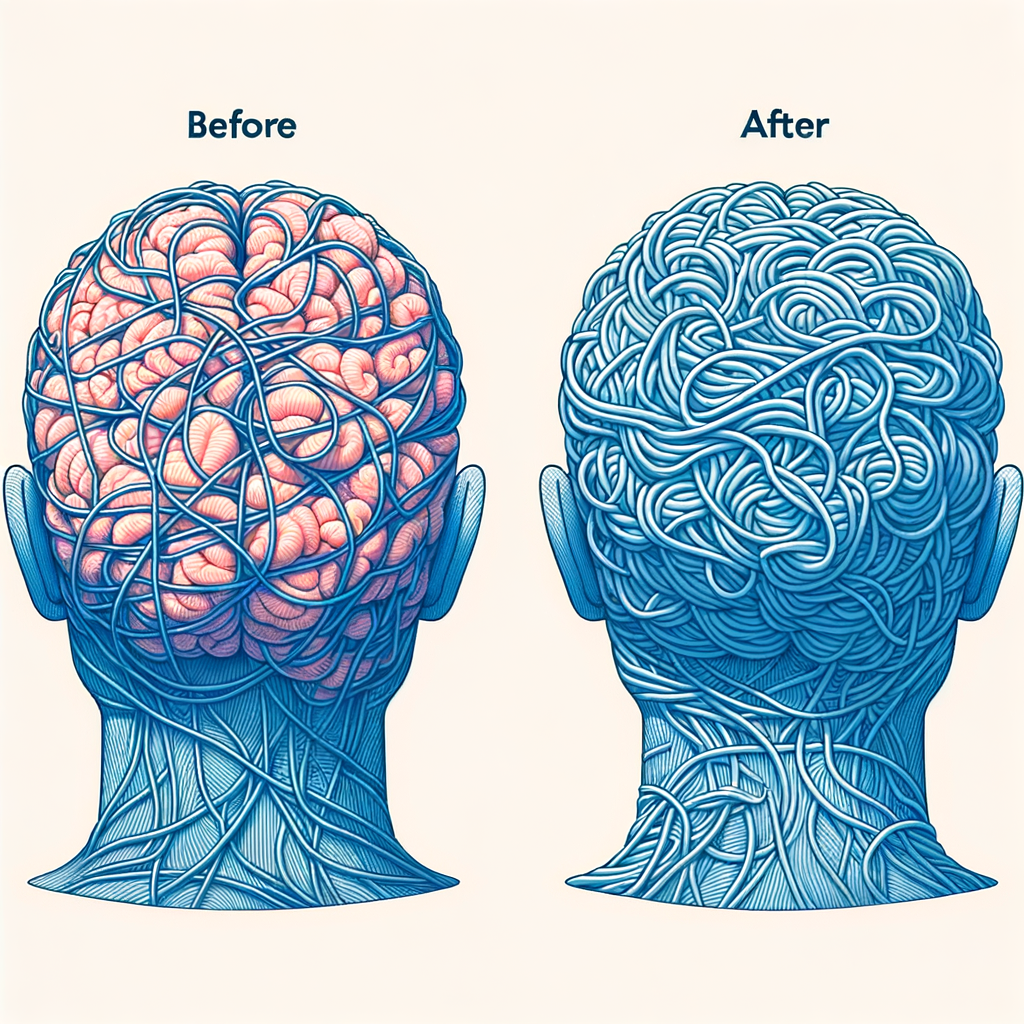
The practice of yoga has been around for thousands of years, and its benefits for physical health are well-documented. However, recent research has revealed that yoga also has a profound impact on the brain and mental health. The shocking truth is that yoga can actually change the chemistry of your brain, leading to improved mood, reduced stress, and enhanced cognitive function. One of the key ways that yoga transforms your brain is by increasing the production of a neurotransmitter called gamma-aminobutyric acid (GABA). GABA is responsible for regulating the activity of neurons in the brain, and low levels of GABA have been linked to anxiety, depression, and other mood disorders. Studies have shown that practicing yoga can increase GABA levels, leading to a reduction in symptoms of anxiety and depression. In addition to increasing GABA levels, yoga also has a positive impact on the brain’s stress response system. The practice of yoga activates the parasympathetic nervous system, which is responsible for the “rest and digest” response. This helps to counteract the effects of the sympathetic nervous system, which is responsible for the “fight or flight” response. By activating the parasympathetic nervous system, yoga can help to reduce stress and promote relaxation. Furthermore, yoga has been shown to improve cognitive function and increase brain plasticity. Brain plasticity refers to the brain’s ability to change and adapt in response to new experiences. Studies have found that regular yoga practice can improve memory, attention, and executive function, which is the ability to plan, organize, and execute tasks. This is likely due to the fact that yoga requires focus and concentration, which can help to strengthen the connections between neurons in the brain. Another way that yoga changes the brain is by increasing the production of brain-derived neurotrophic factor (BDNF). BDNF is a protein that supports the growth and survival of neurons, and low levels of BDNF have been linked to depression and other mental health disorders. Research has shown that practicing yoga can increase BDNF levels, leading to improved mood and cognitive function. Finally, yoga has been found to have a positive impact on the brain’s structure. Studies have shown that regular yoga practice can increase the thickness of the cerebral cortex, which is responsible for higher-order thinking and processing. This suggests that yoga can actually change the physical structure of the brain, leading to improved cognitive function and mental health. In conclusion, the practice of yoga has a profound impact on the brain and mental health. By increasing GABA levels, activating the parasympathetic nervous system, improving cognitive function, increasing BDNF levels, and changing the brain’s structure, yoga can lead to improved mood, reduced stress, and enhanced cognitive function. These findings highlight the importance of incorporating yoga into our daily lives for optimal mental health and well-being.




Comments