

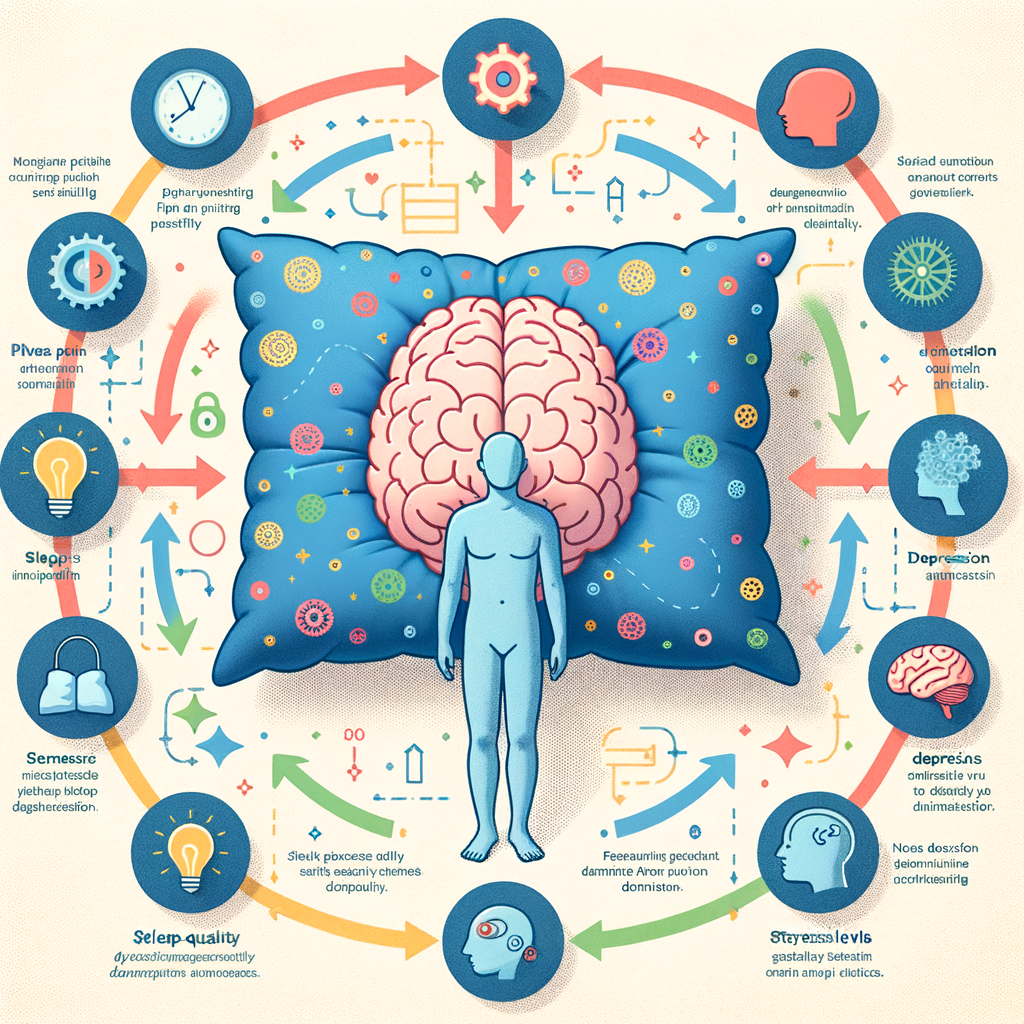
The Shocking Way Your Pillow Affects Your Mental Health
Table of Contents
Introduction
The Shocking Way Your Pillow Affects Your Mental Health The quality of sleep we get each night plays a crucial role in our mental health and well-being. While factors such as stress, diet, and exercise are often discussed in relation to mental health, one often overlooked aspect is the pillow we use. Research has shown that the type of pillow we sleep on can have a significant impact on our mental health, affecting everything from our mood to our cognitive function. In this introduction, we will explore the surprising ways in which our pillows can influence our mental health and why it’s important to choose the right one for a good night’s sleep.The Surprising Link Between Pillow Choice and Anxiety Levels
The Shocking Way Your Pillow Affects Your Mental Health Sleep is an essential part of our daily routine, and the quality of our sleep can have a significant impact on our mental health. While many factors contribute to a good night’s sleep, one often overlooked aspect is the pillow we use. Recent studies have shown that the type of pillow we sleep on can affect our anxiety levels, and the wrong pillow can lead to poor sleep quality and increased stress. The connection between pillow choice and anxiety levels may seem surprising, but it makes sense when you consider the role that sleep plays in our overall well-being. When we sleep, our bodies and minds have a chance to rest and recharge. If we’re not getting enough quality sleep, we can become more susceptible to stress and anxiety. A pillow that doesn’t provide the right support can lead to discomfort and restlessness, which can, in turn, lead to increased anxiety. One of the key factors in choosing the right pillow is the level of support it provides. A pillow that is too soft may not provide enough support for the neck and head, leading to muscle strain and discomfort. On the other hand, a pillow that is too firm can also cause discomfort and make it difficult to find a comfortable sleeping position. Finding the right balance of support and comfort is crucial for a good night’s sleep. Another important consideration is the material of the pillow. Some materials, such as memory foam, can retain heat and cause discomfort during the night. This can lead to restlessness and difficulty falling asleep, which can increase anxiety levels. Other materials, such as down or feather pillows, may trigger allergies in some people, leading to discomfort and poor sleep quality. The position in which we sleep can also affect the type of pillow we need. Side sleepers, for example, may need a thicker pillow to provide adequate support for the neck and head, while back sleepers may need a thinner pillow to maintain proper alignment of the spine. Choosing the right pillow for your sleep position can help ensure a comfortable and restful night’s sleep. In addition to the physical aspects of pillow choice, there is also a psychological component to consider. A comfortable and supportive pillow can provide a sense of security and comfort, which can help reduce anxiety levels. On the other hand, a pillow that is uncomfortable or doesn’t provide adequate support can lead to feelings of restlessness and unease, which can increase anxiety. In conclusion, the choice of pillow can have a significant impact on our mental health. A pillow that provides the right balance of support and comfort can help ensure a good night’s sleep, which is essential for reducing stress and anxiety levels. When choosing a pillow, it’s important to consider factors such as support, material, and sleep position to find the best option for your needs. By taking the time to choose the right pillow, you can improve your sleep quality and reduce your risk of anxiety and stress.How Your Pillow Could Be Contributing to Depression
The Shocking Way Your Pillow Affects Your Mental Health Sleep is an essential part of our daily routine, and the quality of our sleep can have a significant impact on our mental health. While many factors contribute to a good night’s sleep, one often overlooked aspect is the pillow we use. Research has shown that the type of pillow we sleep on can affect our mental health, particularly in relation to depression. Depression is a common mental health disorder that affects millions of people worldwide. It is characterized by persistent feelings of sadness, hopelessness, and a lack of interest in activities that were once enjoyable. While there are many causes of depression, including genetics, environmental factors, and lifestyle choices, recent studies have suggested that the quality of our sleep can also play a role. One way that our pillow can contribute to depression is by affecting the quality of our sleep. A pillow that is too soft or too firm can cause discomfort and lead to restless nights. This can result in poor sleep quality, which has been linked to an increased risk of depression. Additionally, a pillow that does not provide adequate support for the neck and head can cause pain and stiffness, further disrupting sleep and contributing to feelings of depression. Another way that our pillow can impact our mental health is through the materials it is made from. Some pillows are made from synthetic materials that can release harmful chemicals into the air as we sleep. These chemicals can be inhaled and absorbed into our bodies, potentially leading to a range of health issues, including depression. Furthermore, pillows that are not hypoallergenic can harbor dust mites and other allergens, which can trigger allergic reactions and exacerbate symptoms of depression. It is also important to consider the age of our pillow. Over time, pillows can become worn and lose their shape, leading to a decrease in support and comfort. Additionally, old pillows can accumulate sweat, oils, and dead skin cells, creating an environment that is conducive to the growth of bacteria and fungi. This can lead to skin irritation and infections, which can further impact our mental health. To ensure that our pillow is not contributing to depression, it is important to choose a pillow that is comfortable and supportive. This means selecting a pillow that is the right firmness for our sleeping position and body type. It is also important to choose a pillow that is made from natural, hypoallergenic materials and to replace our pillow regularly to prevent the buildup of allergens and bacteria. In conclusion, the quality of our sleep is crucial for our mental health, and our pillow can play a significant role in this. By choosing the right pillow and taking care of it properly, we can improve our sleep quality and reduce our risk of depression. It is important to be aware of the impact that our pillow can have on our mental health and to take steps to ensure that we are getting the best possible sleep each night.




Comments