

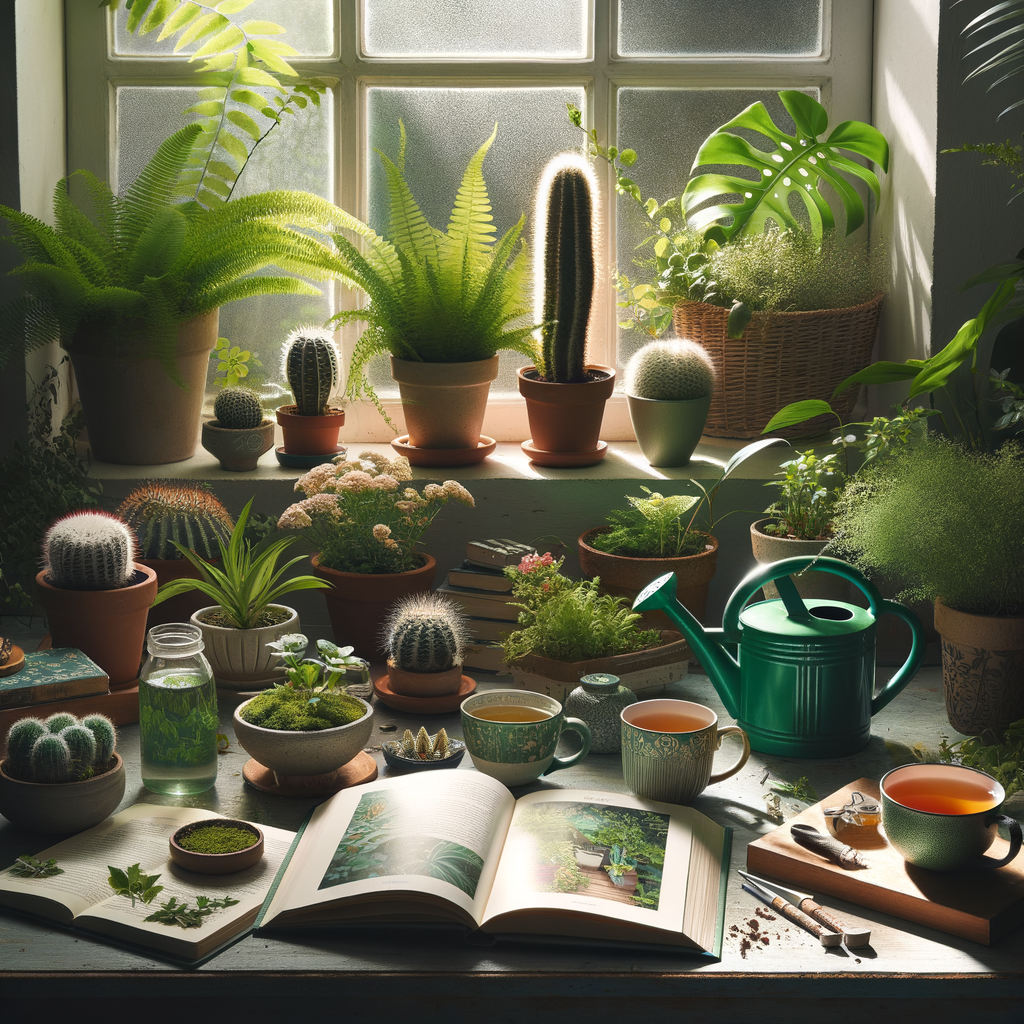
The Unexpected Way Your Houseplants Boost Mental Wellness
Table of Contents
Introduction
Houseplants have long been known for their aesthetic appeal and ability to purify the air, but recent studies have shown that they also have a significant impact on mental wellness. The presence of indoor plants has been linked to reduced stress levels, increased productivity, and improved mood. This unexpected benefit of houseplants is becoming increasingly recognized as an important factor in creating a healthy and balanced living environment.The Surprising Link Between Indoor Plants and Reduced Anxiety Levels
The Unexpected Way Your Houseplants Boost Mental Wellness In recent years, the popularity of houseplants has soared, with many people turning to indoor gardening as a way to bring a little bit of nature into their homes. But beyond their aesthetic appeal, houseplants have been found to have a surprising impact on mental wellness, particularly in reducing anxiety levels. Research has shown that the presence of indoor plants can have a calming effect on the mind, helping to reduce stress and anxiety. One study found that participants who spent time in a room with plants reported feeling more relaxed and less anxious than those who were in a room without plants. This is thought to be due to the fact that plants can help to create a more soothing and natural environment, which can have a positive impact on our mental state. Furthermore, the act of caring for houseplants can also be beneficial for mental health. Tending to plants can be a mindful activity that allows us to focus on the present moment and take a break from the constant distractions of modern life. It can also provide a sense of accomplishment and purpose, as we watch our plants grow and thrive under our care. In addition to their calming effects, houseplants can also improve the air quality in our homes. Many indoor plants are able to filter out harmful toxins and pollutants from the air, which can have a positive impact on our physical health and, in turn, our mental wellbeing. Breathing in cleaner air can help to reduce feelings of fatigue and improve cognitive function, making us feel more alert and focused. The benefits of houseplants on mental wellness are not limited to their physical presence in our homes. Even just looking at pictures of plants or nature scenes has been found to have a calming effect on the mind. This suggests that the mere sight of greenery can help to reduce anxiety and improve our mood. It is important to note that while houseplants can have a positive impact on mental wellness, they are not a substitute for professional mental health support. However, they can be a valuable addition to a holistic approach to mental health care, providing a natural and accessible way to reduce anxiety and improve overall wellbeing. In conclusion, the presence of houseplants in our homes can have an unexpected and significant impact on our mental wellness. From their calming effects to their ability to improve air quality, indoor plants can help to reduce anxiety levels and promote a sense of calm and relaxation. So next time you’re feeling stressed or anxious, consider adding a few houseplants to your living space – you may be surprised at the difference they can make.How Houseplants Can Improve Your Mood and Cognitive Function

The Unexpected Way Your Houseplants Boost Mental Wellness Houseplants have long been known for their aesthetic appeal, but recent research has shown that they can also have a significant impact on mental wellness. Studies have found that having plants in your home can improve mood, reduce stress, and even enhance cognitive function. This is great news for those who love to surround themselves with greenery, as it means that their passion for plants is not only making their living space more beautiful, but also improving their mental health. One of the ways that houseplants can improve mood is by reducing stress levels. A study conducted by the University of Technology, Sydney, found that participants who had plants in their office reported a 37% decrease in tension and anxiety. This is thought to be due to the calming effect that plants have on the human mind. The presence of greenery can create a sense of tranquility and peace, which can help to alleviate stress and improve overall mood. In addition to reducing stress, houseplants can also enhance cognitive function. A study published in the Journal of Environmental Psychology found that participants who worked in an office with plants had a 15% increase in productivity compared to those who worked in a plant-free environment. This is thought to be due to the increased oxygen levels that plants provide, which can improve brain function and concentration. Furthermore, the presence of plants can also improve creativity and problem-solving skills, making them a valuable addition to any workspace. Another way that houseplants can boost mental wellness is by improving air quality. Many common houseplants, such as spider plants and peace lilies, are effective at removing toxins from the air. This can lead to improved respiratory health, which can have a positive impact on mental well-being. Breathing in clean, fresh air can help to reduce feelings of fatigue and improve overall energy levels, which can contribute to a better mood and increased cognitive function. Finally, caring for houseplants can also have a positive impact on mental health. The act of nurturing and tending to plants can provide a sense of purpose and accomplishment, which can boost self-esteem and improve overall well-being. Additionally, the routine of caring for plants can provide a sense of structure and stability, which can be particularly beneficial for those who struggle with anxiety or depression. In conclusion, the benefits of having houseplants in your home extend far beyond their aesthetic appeal. The presence of greenery can reduce stress, improve mood, enhance cognitive function, and improve air quality. Furthermore, the act of caring for plants can provide a sense of purpose and improve overall mental well-being. So, the next time you’re feeling down or stressed, consider adding a few houseplants to your living space. Not only will they make your home more beautiful, but they may also have a positive impact on your mental health.




Comments