

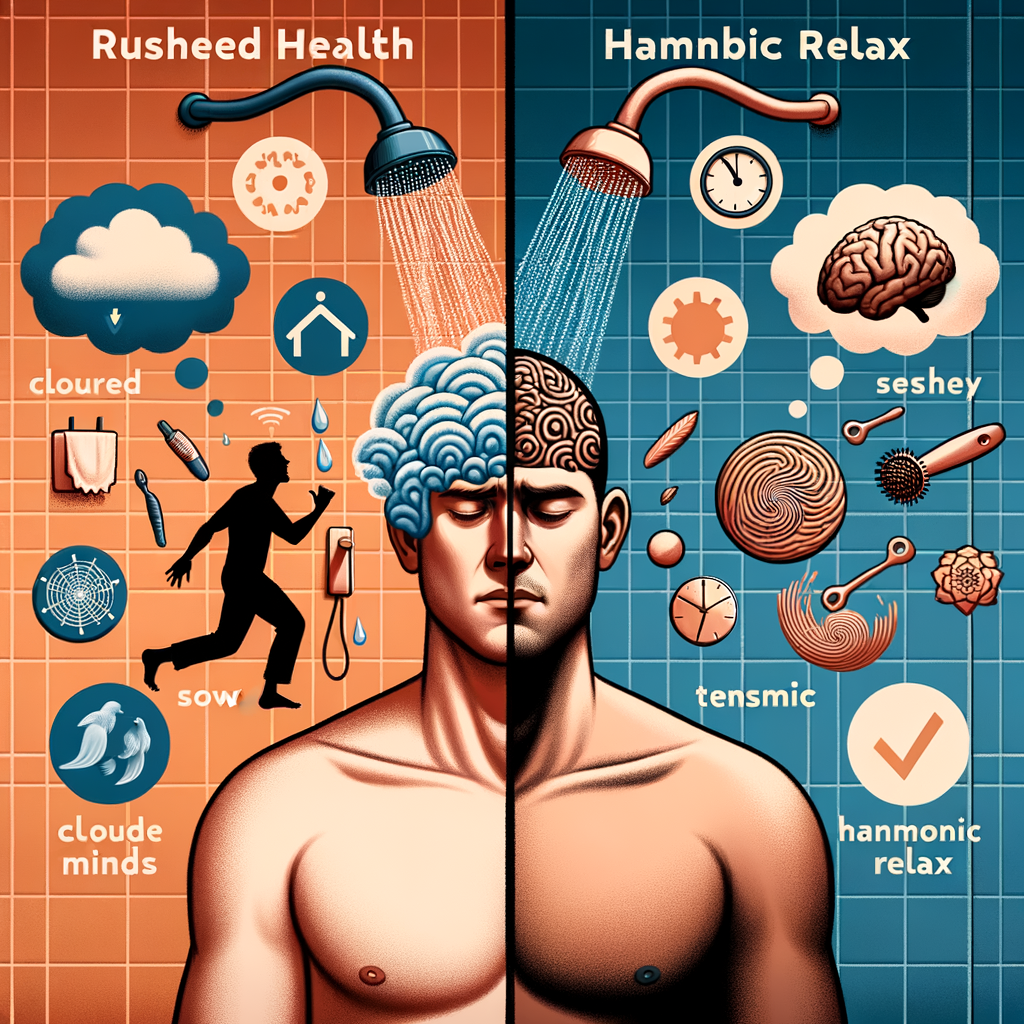
The Startling Way Your Shower Routine Affects Your Mental Health
Table of Contents
Introduction
The Startling Way Your Shower Routine Affects Your Mental Health The way we start our day can have a significant impact on our mental health, and our shower routine is no exception. From the temperature of the water to the products we use, every aspect of our shower routine can influence our mood, stress levels, and overall well-being. In this introduction, we will explore the surprising ways in which our shower habits can affect our mental health and provide insights into how we can make small changes to promote a more positive state of mind.The Surprising Connection Between Shower Temperature and Mood
The Startling Way Your Shower Routine Affects Your Mental Health For many of us, taking a shower is a daily ritual that we perform without much thought. It’s a time to cleanse our bodies, relax, and prepare for the day ahead. However, recent research has shown that the temperature of the water we use in our showers can have a significant impact on our mental health. In fact, the surprising connection between shower temperature and mood is something that we should all be aware of. It turns out that taking a cold shower can have a number of mental health benefits. Cold water has been shown to increase the production of endorphins, which are the body’s natural mood boosters. This can lead to a feeling of euphoria and a reduction in stress and anxiety. Additionally, cold showers can help to improve circulation, which can have a positive effect on overall well-being. On the other hand, hot showers can also have a positive impact on mental health. The warmth of the water can help to relax tense muscles and soothe aching joints. This can lead to a feeling of relaxation and calmness, which can be particularly beneficial for those who suffer from anxiety or depression. Furthermore, the steam from a hot shower can help to clear the sinuses and improve respiratory function, which can also contribute to a sense of well-being. However, it’s important to note that the benefits of hot and cold showers are not mutually exclusive. In fact, alternating between hot and cold water during a shower can provide the best of both worlds. This practice, known as contrast therapy, can help to improve circulation, reduce inflammation, and boost the immune system. It can also provide a sense of invigoration and energy, which can be particularly helpful for those who struggle with fatigue or low energy levels. Of course, the impact of shower temperature on mental health is not limited to the immediate effects of the water itself. The act of taking a shower can also be a form of self-care, which is an important aspect of maintaining good mental health. Taking the time to focus on our own needs and well-being can help to reduce stress and improve our overall mood. In addition, the sensory experience of a shower can also have a positive impact on mental health. The sound of the water, the feel of the water on our skin, and the smell of our favorite shower products can all contribute to a sense of relaxation and calmness. This can be particularly beneficial for those who struggle with sensory processing issues or who find it difficult to relax in other ways. In conclusion, the temperature of the water we use in our showers can have a significant impact on our mental health. Whether we prefer hot or cold showers, or a combination of both, it’s important to be aware of the potential benefits and to incorporate this knowledge into our daily routines. By doing so, we can improve our mood, reduce stress and anxiety, and promote overall well-being. So next time you step into the shower, take a moment to consider the temperature of the water and how it might affect your mental health.How Shower Length Can Impact Anxiety and Stress Levels

The Startling Way Your Shower Routine Affects Your Mental Health For many people, taking a shower is a daily ritual that serves as a moment of relaxation and self-care. However, recent studies have shown that the length of your shower can have a significant impact on your mental health, particularly when it comes to anxiety and stress levels. It may seem counterintuitive, but spending too much time in the shower can actually increase feelings of anxiety and stress. This is because prolonged exposure to hot water can raise your body’s core temperature, which in turn can trigger the release of stress hormones like cortisol. Additionally, spending a long time in the shower can lead to overthinking and rumination, which are common symptoms of anxiety. On the other hand, taking shorter showers can have a calming effect on the mind. The sensation of water on the skin can be soothing, and the act of cleansing oneself can be a form of self-care that helps to reduce stress. Furthermore, shorter showers can help to conserve water and energy, which can contribute to a sense of environmental responsibility and overall well-being. It’s important to note that the ideal shower length can vary from person to person. Some individuals may find that a quick, five-minute shower is enough to feel refreshed and rejuvenated, while others may need a bit more time to unwind. The key is to find a balance that works for you and to be mindful of how your shower routine is affecting your mental health. In addition to the length of your shower, other factors can also play a role in how it impacts your mental health. For example, the temperature of the water can affect your mood, with cooler temperatures being more invigorating and warmer temperatures being more relaxing. The products you use in the shower, such as scented soaps and shampoos, can also have an effect on your mood and stress levels. If you’re someone who struggles with anxiety or stress, it may be worth experimenting with your shower routine to see if making changes can help to improve your mental health. This could involve shortening the length of your showers, adjusting the temperature of the water, or using different products. It’s also important to pay attention to how you feel before and after your shower, as this can provide valuable insight into how it’s affecting your mood. In conclusion, the length of your shower can have a significant impact on your mental health, particularly when it comes to anxiety and stress levels. While taking a long, hot shower may seem like a good way to relax, it can actually have the opposite effect. By being mindful of your shower routine and making adjustments as needed, you can help to improve your mental well-being and reduce feelings of anxiety and stress. So next time you step into the shower, take a moment to consider how it’s affecting your mood and make any necessary changes to ensure that it’s a positive experience for your mind and body.


Comments