

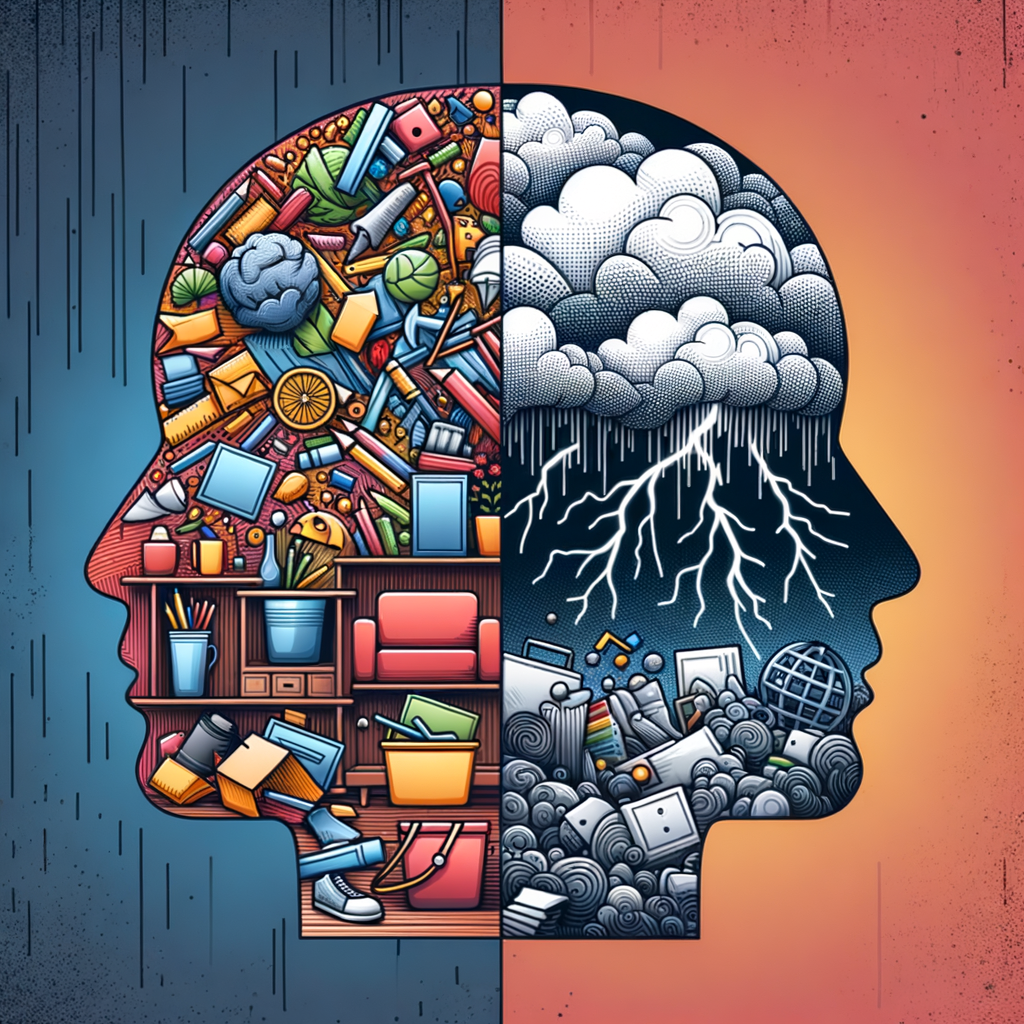
The Unexpected Way Clutter Affects Your Mental Health
Table of Contents
Introduction
Clutter can have a significant impact on mental health, often leading to increased stress, anxiety, and even depression. The presence of clutter in one’s living or working space can create a sense of chaos and disorganization, making it difficult to focus and be productive. It can also trigger feelings of guilt and embarrassment, particularly when the clutter becomes overwhelming or interferes with daily activities. Additionally, clutter can contribute to a lack of control over one’s environment, which can exacerbate existing mental health issues or contribute to the development of new ones. Understanding the unexpected ways in which clutter affects mental health is crucial for creating a healthy and balanced living space.The Link Between Clutter and Increased Stress Levels
Clutter is often seen as a harmless byproduct of a busy life, but research shows that it can have a significant impact on our mental health. The link between clutter and increased stress levels is becoming more apparent as studies reveal the negative effects of a disorganized environment on our well-being. When we think of clutter, we often picture a messy room or an overflowing closet. However, clutter can take many forms, including physical, digital, and mental clutter. Physical clutter refers to the tangible items that take up space in our homes and offices, while digital clutter includes the endless stream of emails, notifications, and files on our electronic devices. Mental clutter, on the other hand, consists of the thoughts and worries that occupy our minds and prevent us from focusing on the present moment. The presence of clutter in our lives can lead to increased stress levels, as it creates a sense of chaos and disorganization. When we are surrounded by clutter, our brains are constantly processing the visual stimuli, which can be overwhelming and lead to feelings of anxiety. Clutter can also make it difficult to find things, leading to frustration and wasted time. This can create a cycle of stress, as the more cluttered our environment becomes, the more stressed we feel, and the less motivated we are to tackle the mess. Moreover, clutter can have a negative impact on our mental health by affecting our ability to concentrate and make decisions. A cluttered environment can be distracting, making it difficult to focus on tasks and complete them efficiently. This can lead to decreased productivity and a sense of inadequacy, as we struggle to keep up with our responsibilities. Additionally, clutter can make it challenging to make decisions, as the sheer volume of items can be overwhelming and lead to decision fatigue. The impact of clutter on our mental health is not limited to the stress and anxiety it can cause. Clutter can also affect our mood and self-esteem. A cluttered space can make us feel out of control and lead to feelings of guilt and embarrassment. This can be particularly true if we feel that our clutter is a reflection of our inability to manage our lives effectively. Furthermore, clutter can prevent us from fully enjoying our living spaces, as it can make it difficult to relax and unwind. The good news is that there are steps we can take to reduce the impact of clutter on our mental health. One of the most effective ways to tackle clutter is to declutter our environment regularly. This can involve setting aside time each week to sort through our belongings and get rid of items that we no longer need or use. Additionally, we can implement organizational systems to help us keep our spaces tidy and reduce the amount of clutter that accumulates over time. In conclusion, the link between clutter and increased stress levels is clear. Clutter can have a significant impact on our mental health, leading to feelings of anxiety, frustration, and decreased self-esteem. By taking steps to declutter our environment and implement organizational systems, we can reduce the negative effects of clutter on our well-being and create a more peaceful and productive space.How Clutter Can Lead to Anxiety and Depression

Clutter is often seen as a harmless byproduct of a busy life, but research shows that it can have a significant impact on our mental health. The accumulation of clutter in our homes and workspaces can lead to feelings of anxiety and depression, making it difficult to focus and be productive. In this article, we will explore the unexpected ways in which clutter affects our mental health and how we can take steps to reduce its impact. Clutter can be defined as an excessive amount of items in a space that creates a sense of chaos and disorganization. It can be physical, such as piles of papers, clothes, or household items, or digital, such as an overflowing email inbox or a cluttered desktop. Regardless of the form it takes, clutter can be overwhelming and can lead to feelings of stress and anxiety. One of the ways clutter affects our mental health is by creating a sense of chaos in our environment. When we are surrounded by clutter, it can be difficult to find what we need, leading to frustration and a sense of being out of control. This can trigger the body’s stress response, leading to increased levels of cortisol, the stress hormone. Over time, chronic stress can lead to anxiety and depression. Clutter can also affect our mental health by making it difficult to focus and be productive. When our environment is cluttered, it can be challenging to concentrate on tasks, leading to decreased productivity and a sense of inadequacy. This can create a negative feedback loop, where the clutter leads to decreased productivity, which in turn leads to more clutter, creating a cycle of anxiety and depression. Furthermore, clutter can also affect our mental health by impacting our relationships. When our homes are cluttered, it can be difficult to invite friends and family over, leading to feelings of isolation and loneliness. This can exacerbate feelings of anxiety and depression, as social support is an important factor in maintaining good mental health. So, what can we do to reduce the impact of clutter on our mental health? The first step is to recognize the impact that clutter has on our well-being and to take steps to declutter our environment. This can be done by setting aside time each day to organize and declutter, starting with small areas and working up to larger ones. It can also be helpful to create a system for managing clutter, such as setting up designated spaces for items and regularly purging items that are no longer needed. In addition to decluttering our physical environment, it is also important to declutter our digital environment. This can be done by unsubscribing from unnecessary emails, organizing digital files, and setting limits on screen time. By decluttering both our physical and digital environments, we can create a sense of calm and order, reducing feelings of anxiety and depression. In conclusion, clutter can have a significant impact on our mental health, leading to feelings of anxiety and depression. By recognizing the impact of clutter and taking steps to declutter our environment, we can reduce its impact on our well-being and improve our overall mental health.


Comments