


The Surprising Truth About Flexibility and Mental Resilience
Table of Contents
Introduction
The Surprising Truth About Flexibility and Mental Resilience explores the connection between physical flexibility and mental resilience. It delves into the idea that being flexible in our bodies can lead to a more adaptable and resilient mindset. The concept challenges the traditional belief that mental toughness is solely a result of willpower and discipline, suggesting that physical practices such as yoga and stretching can also play a significant role in developing mental strength. This introduction sets the stage for a deeper examination of how improving our physical flexibility can positively impact our mental health and overall well-being.The Connection Between Flexibility and Mental Resilience
The Surprising Truth About Flexibility and Mental Resilience Flexibility is often associated with physical attributes such as the ability to touch one’s toes or perform a perfect split. However, flexibility extends beyond the physical realm and into the mental and emotional spheres. Mental flexibility, or the ability to adapt to new situations and challenges, is a crucial component of mental resilience. Mental resilience is the ability to bounce back from adversity and maintain a positive outlook in the face of stress and hardship. The connection between flexibility and mental resilience is a surprising truth that is often overlooked. Mental flexibility allows individuals to see situations from different perspectives and to consider alternative solutions to problems. This open-mindedness is essential for mental resilience, as it enables individuals to cope with change and uncertainty. When faced with a difficult situation, mentally flexible individuals are more likely to approach it with a positive attitude and a willingness to adapt. This adaptability is a key factor in building mental resilience, as it allows individuals to navigate through challenges with a sense of control and confidence. Moreover, mental flexibility also involves the ability to regulate emotions and manage stress. Emotionally flexible individuals are able to recognize and accept their feelings, rather than suppressing or denying them. This emotional awareness is crucial for mental resilience, as it allows individuals to process their emotions in a healthy way and to move forward from difficult experiences. By acknowledging and addressing their emotions, individuals can develop coping strategies that help them to manage stress and maintain a positive outlook. In addition, mental flexibility also involves the ability to let go of rigid thought patterns and beliefs. Individuals who are mentally flexible are open to new ideas and are willing to challenge their own assumptions. This openness to change is essential for mental resilience, as it allows individuals to adapt to new situations and to learn from their experiences. By embracing change and being open to new possibilities, individuals can develop a growth mindset that fosters mental resilience. Furthermore, mental flexibility is also linked to social support and relationships. Mentally flexible individuals are more likely to seek out and maintain supportive relationships, which are essential for mental resilience. Social support provides individuals with a sense of belonging and connection, which can help to buffer against stress and adversity. By building and maintaining strong relationships, individuals can develop a support network that helps them to cope with challenges and to maintain a positive outlook. In conclusion, the connection between flexibility and mental resilience is a surprising truth that is often overlooked. Mental flexibility, which involves the ability to adapt to new situations, regulate emotions, let go of rigid thought patterns, and maintain supportive relationships, is a crucial component of mental resilience. By developing mental flexibility, individuals can build the mental resilience needed to navigate through life’s challenges with a sense of control and confidence. The ability to bounce back from adversity and maintain a positive outlook is not just a physical attribute, but a mental and emotional one as well.How Flexibility Training Can Improve Your Mental Health

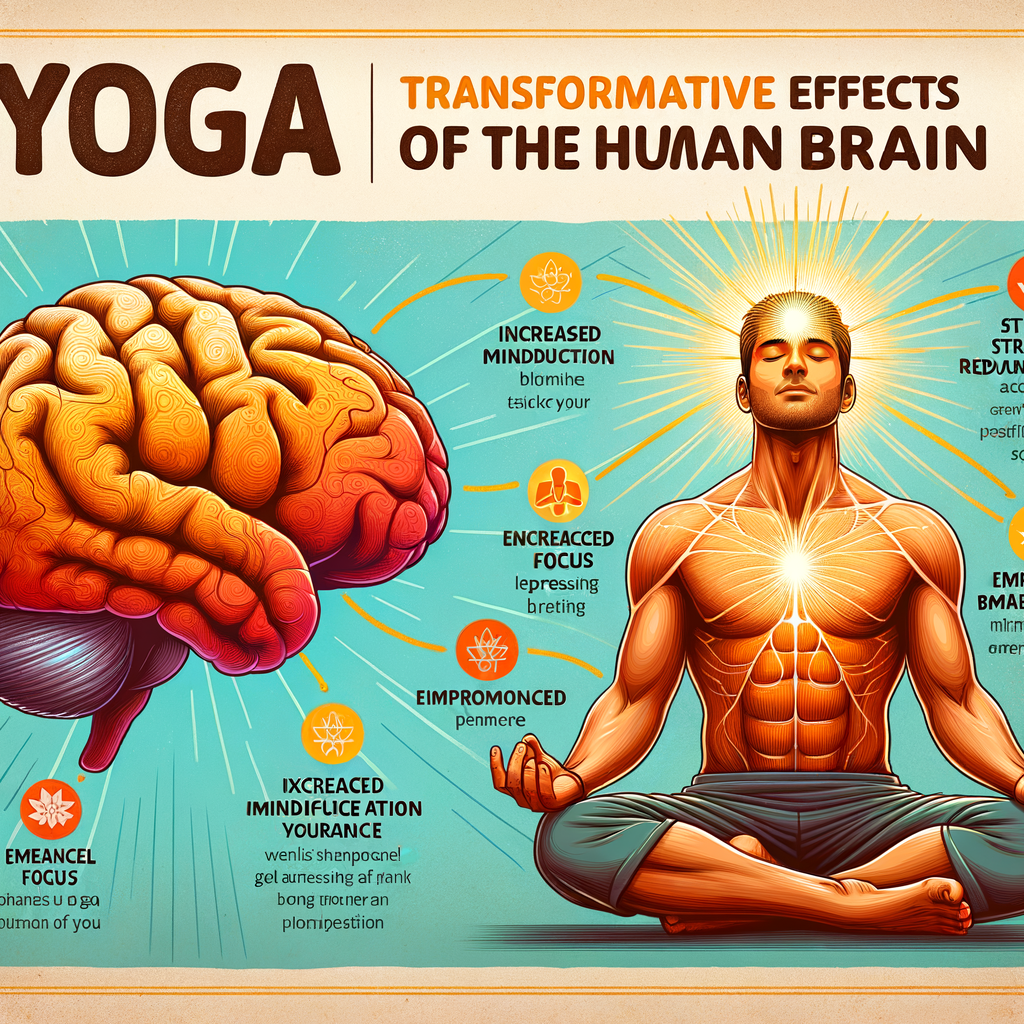
Flexibility is often associated with physical health, but it also plays a crucial role in mental resilience. The ability to adapt to change, handle stress, and bounce back from adversity is essential for maintaining good mental health. Flexibility training, which includes stretching and yoga, can help improve mental resilience by reducing stress, increasing mindfulness, and promoting relaxation. Stress is a common factor that can negatively impact mental health. When we are stressed, our bodies release cortisol, a hormone that can lead to anxiety, depression, and other mental health issues. Flexibility training can help reduce stress by promoting relaxation and reducing muscle tension. Stretching exercises, in particular, can help release tension in the muscles, which can lead to a feeling of calmness and relaxation. This can help lower cortisol levels and improve overall mental health. Mindfulness is another important aspect of mental resilience. Being mindful means being present in the moment and aware of your thoughts and feelings without judgment. Flexibility training, especially yoga, can help increase mindfulness by encouraging individuals to focus on their breath and body movements. This can help individuals become more aware of their thoughts and feelings, which can lead to better coping mechanisms and improved mental resilience. Relaxation is also a key component of mental resilience. When we are relaxed, our bodies are better able to handle stress and recover from adversity. Flexibility training can promote relaxation by encouraging deep breathing and slow, controlled movements. This can help activate the parasympathetic nervous system, which is responsible for the body’s rest and relaxation response. This can lead to a feeling of calmness and improved mental health. In addition to reducing stress, increasing mindfulness, and promoting relaxation, flexibility training can also improve overall physical health. When we are physically healthy, we are better able to handle stress and maintain good mental health. Flexibility training can improve physical health by increasing range of motion, reducing the risk of injury, and improving posture. This can lead to a feeling of physical well-being, which can positively impact mental health. Furthermore, flexibility training can also improve self-esteem and body image. When we feel good about our bodies, we are more likely to have a positive outlook on life and better mental resilience. Flexibility training can help improve body image by increasing body awareness and promoting a sense of accomplishment. This can lead to improved self-esteem and better mental health. In conclusion, flexibility training can have a significant impact on mental resilience. By reducing stress, increasing mindfulness, promoting relaxation, improving physical health, and boosting self-esteem, flexibility training can help improve overall mental health. Whether it’s through stretching exercises or yoga, incorporating flexibility training into your routine can lead to a more resilient and mentally healthy life. So, the next time you think about skipping your stretching routine, remember the surprising truth about flexibility and mental resilience.



Comments