

The Surprising Link Between Decluttering and Mental Clarity
Table of Contents
Introduction
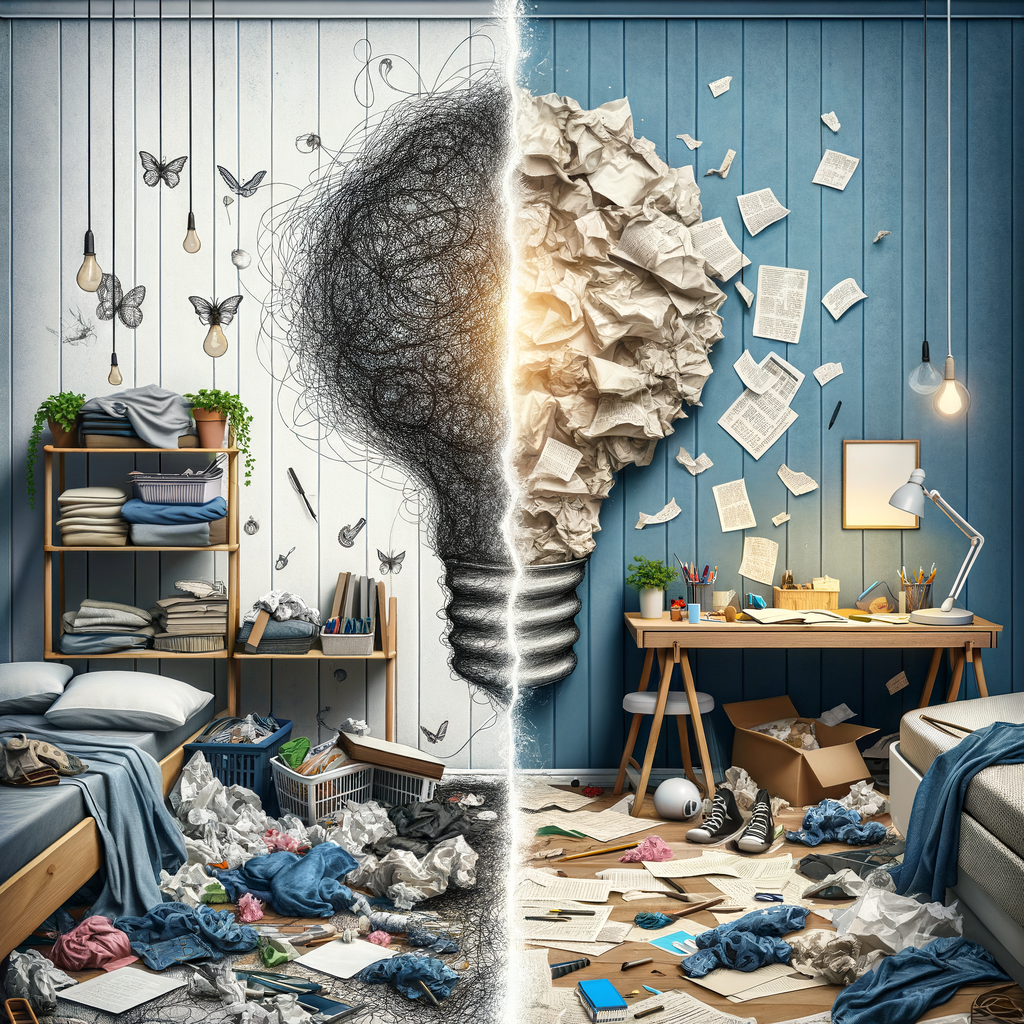
Decluttering is often seen as a physical task, but it can also have a profound impact on mental clarity. The act of organizing and simplifying one’s physical space can lead to a clearer mind and improved focus. This is because clutter can be a source of stress and distraction, making it difficult to concentrate and think clearly. By decluttering, individuals can create a more peaceful and orderly environment, which can in turn lead to a greater sense of mental clarity and well-being.The Psychological Benefits of Decluttering Your Space
The Surprising Link Between Decluttering and Mental Clarity In recent years, the concept of decluttering has gained popularity as a means of achieving a more organized and peaceful living space. However, the benefits of decluttering extend far beyond the physical realm. Research has shown that there is a surprising link between decluttering and mental clarity, with numerous psychological benefits to be gained from the process. One of the primary psychological benefits of decluttering is the reduction of stress and anxiety. A cluttered environment can be overwhelming, with an excess of stimuli competing for our attention. This can lead to feelings of chaos and a lack of control, which can contribute to heightened stress levels. By decluttering, we can create a more serene and orderly space, which can help to alleviate these feelings and promote a sense of calm. Furthermore, decluttering can also lead to improved focus and concentration. When our environment is cluttered, it can be difficult to concentrate on the task at hand, as our attention is constantly being pulled in different directions. By removing unnecessary items and creating a more streamlined space, we can minimize distractions and improve our ability to focus on what is truly important. In addition to these benefits, decluttering can also have a positive impact on our mood and overall well-being. A cluttered space can be a source of frustration and irritation, leading to a negative emotional state. By decluttering, we can create a more pleasant and inviting environment, which can help to lift our spirits and improve our mood. Moreover, decluttering can also lead to a greater sense of accomplishment and satisfaction. The process of sorting through our belongings and deciding what to keep and what to discard can be empowering, as it allows us to take control of our environment and make decisions that align with our values and priorities. This can lead to a sense of achievement and a boost in self-esteem. Finally, decluttering can also have a positive impact on our relationships. A cluttered space can be a source of tension and conflict, as it can be difficult to find things and navigate the space. By decluttering, we can create a more harmonious living environment, which can help to improve our relationships with those we share our space with. In conclusion, the psychological benefits of decluttering are numerous and far-reaching. By reducing stress and anxiety, improving focus and concentration, boosting mood and well-being, increasing a sense of accomplishment, and improving relationships, decluttering can have a profound impact on our mental clarity and overall quality of life. So, the next time you find yourself feeling overwhelmed or bogged down by clutter, consider taking some time to declutter your space. You may be surprised by the positive impact it can have on your mental state.How a Minimalist Lifestyle Can Lead to Mental Clarity
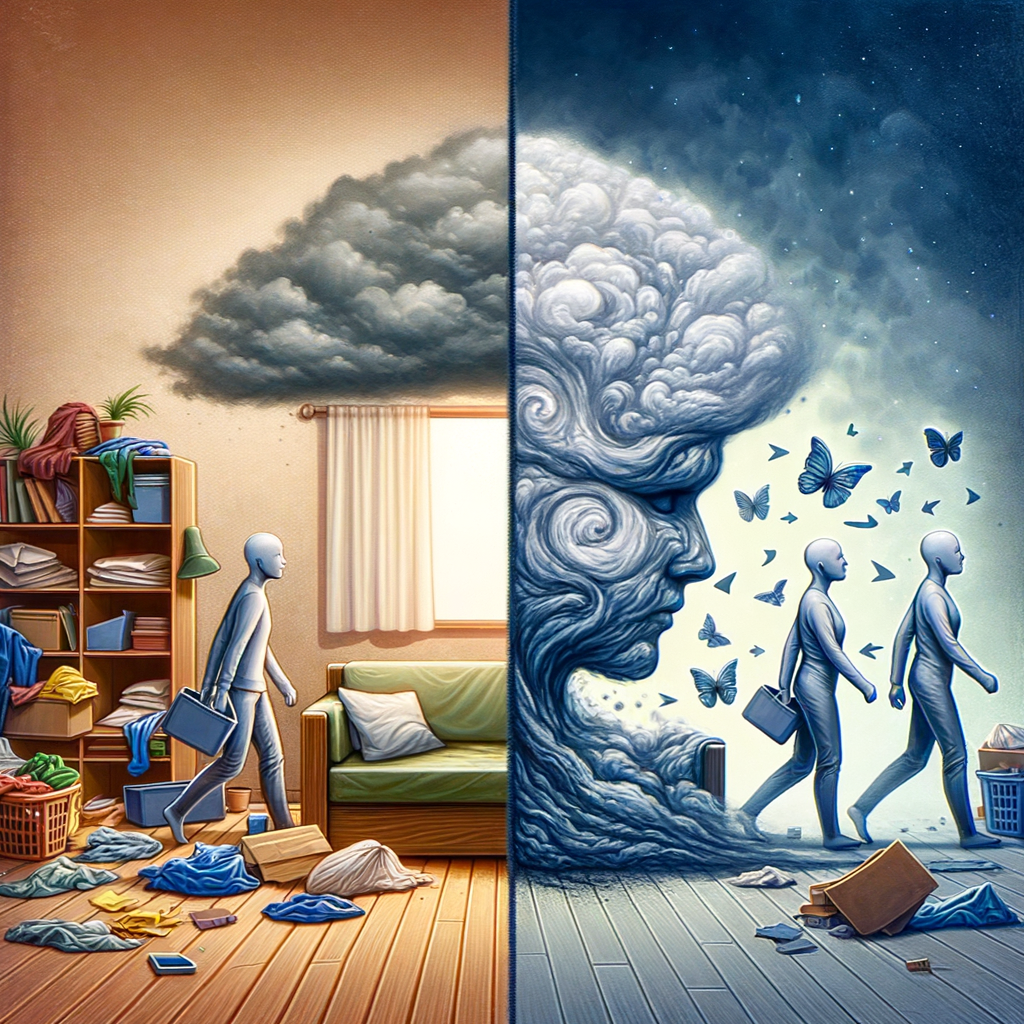
The Surprising Link Between Decluttering and Mental Clarity In recent years, the minimalist lifestyle has gained popularity as more people seek to simplify their lives and reduce the clutter that surrounds them. This trend is not just about creating a more aesthetically pleasing living space, but also about achieving mental clarity. The connection between decluttering and mental clarity may seem surprising, but research has shown that the two are closely linked. The concept of minimalism is based on the idea that less is more. By reducing the number of possessions we own, we can create a more peaceful and organized environment. This, in turn, can lead to a clearer mind and a greater sense of calm. When our living spaces are cluttered and chaotic, it can be difficult to focus and think clearly. The constant visual noise can be overwhelming and can lead to feelings of stress and anxiety. Decluttering can be a therapeutic process. It involves letting go of items that no longer serve a purpose in our lives, which can be a liberating experience. By getting rid of things that we no longer need or use, we can create more space in our homes and in our minds. This can lead to a greater sense of control and a feeling of accomplishment. The benefits of decluttering extend beyond just the physical space. It can also have a positive impact on our mental health. Studies have shown that clutter can increase levels of the stress hormone cortisol, which can lead to feelings of anxiety and depression. By decluttering, we can reduce these stress levels and improve our overall well-being. A minimalist lifestyle can also lead to better decision-making. When we have fewer possessions, we have fewer choices to make, which can lead to a clearer mind. This can be particularly beneficial when it comes to making important decisions, as we are less likely to be distracted by the clutter around us. Furthermore, decluttering can lead to increased productivity. When our living spaces are organized and free from clutter, we can focus more easily on the tasks at hand. This can lead to a more efficient use of our time and a greater sense of accomplishment. In addition to the mental benefits, decluttering can also have a positive impact on our physical health. A cluttered living space can be a breeding ground for dust and allergens, which can lead to respiratory problems. By decluttering, we can create a cleaner and healthier living environment. In conclusion, the link between decluttering and mental clarity is clear. By embracing a minimalist lifestyle, we can reduce the clutter in our lives and create a more peaceful and organized environment. This can lead to a clearer mind, reduced stress levels, and improved overall well-being. So, if you’re feeling overwhelmed by the clutter in your life, consider taking the first step towards a minimalist lifestyle and experience the benefits for yourself.


Comments