

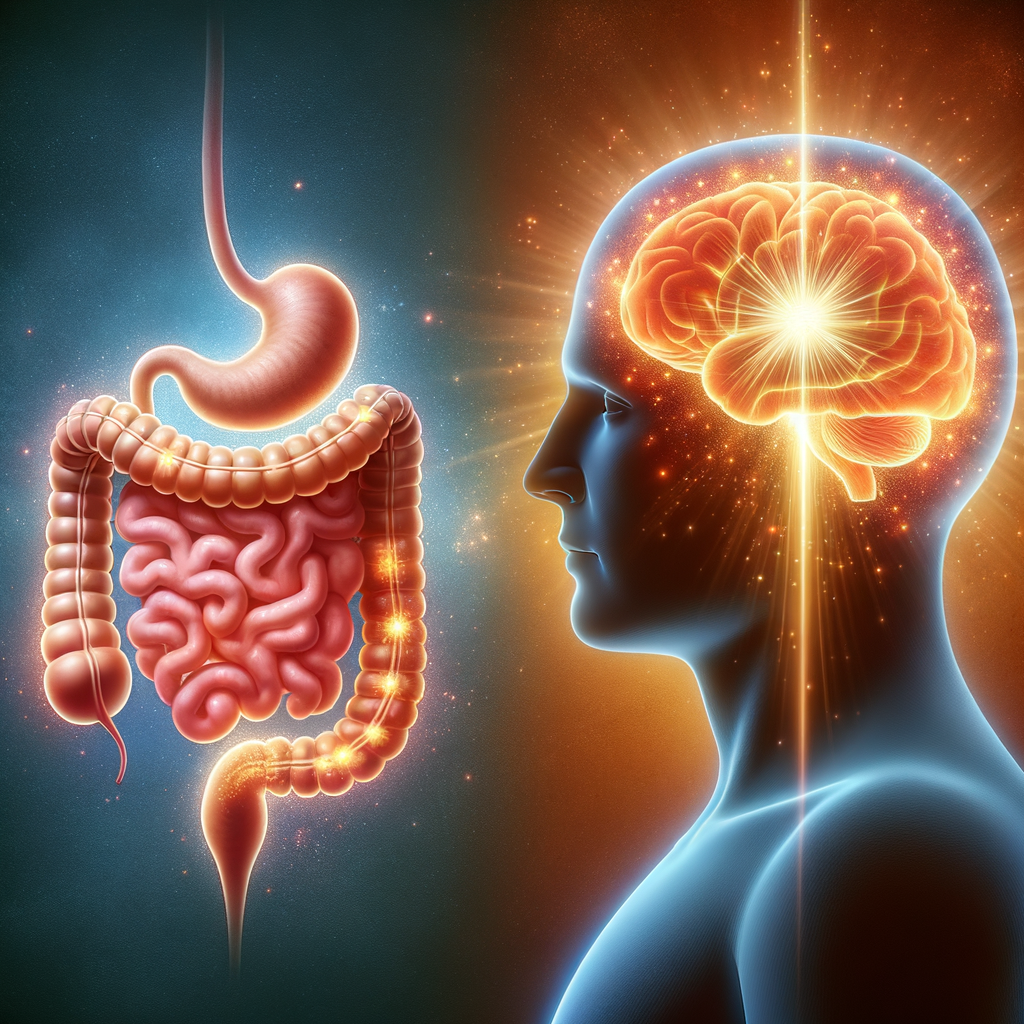
The Hidden Link Between Gut Health and Mental Wellness
Table of Contents
Introduction
The connection between gut health and mental wellness is a topic that has gained increasing attention in recent years. Research has shown that the gut and the brain are closely linked, with the gut often being referred to as the “second brain.” This is due to the presence of the enteric nervous system, which is a complex network of neurons that line the gastrointestinal tract and communicate with the brain. The gut microbiome, which is made up of trillions of bacteria, also plays a crucial role in mental health. Imbalances in the gut microbiome have been linked to a range of mental health conditions, including anxiety, depression, and even autism. Understanding the hidden link between gut health and mental wellness is essential for developing effective treatments and promoting overall well-being.The Gut-Brain Connection: Understanding the Impact on Mental Health
The Hidden Link Between Gut Health and Mental Wellness The human body is a complex system, and the connection between gut health and mental wellness is a prime example of this complexity. The gut-brain connection is a bidirectional communication pathway that links the enteric nervous system (ENS) in the gut with the central nervous system (CNS) in the brain. This connection is so powerful that it can influence our mood, behavior, and overall mental health. The gut is often referred to as the “second brain” because it contains its own nervous system, which is made up of over 100 million nerve cells. These nerve cells line the gastrointestinal tract and communicate with the brain through the vagus nerve. The vagus nerve is the longest cranial nerve in the body and acts as a highway for information to travel between the gut and the brain. One of the key players in the gut-brain connection is the microbiome, which is the collection of trillions of bacteria, viruses, and fungi that live in our gut. These microorganisms play a crucial role in our overall health, including our mental health. They help to digest food, produce vitamins, and regulate the immune system. They also produce neurotransmitters, such as serotonin and dopamine, which are known to influence mood and behavior. Research has shown that an imbalance in the gut microbiome, known as dysbiosis, can lead to a variety of mental health issues, including anxiety, depression, and even neurodegenerative diseases like Alzheimer’s and Parkinson’s. This is because dysbiosis can cause inflammation in the gut, which can then lead to inflammation in the brain. Inflammation in the brain has been linked to a variety of mental health issues. Furthermore, the gut microbiome can also influence the stress response. When we are stressed, our body releases cortisol, which can negatively impact the gut microbiome. This can lead to a vicious cycle where stress leads to dysbiosis, which in turn leads to more stress and further dysbiosis. So, what can we do to improve our gut health and, in turn, our mental wellness? One of the most important things we can do is to eat a healthy, balanced diet that is rich in fiber and fermented foods. Fiber helps to feed the good bacteria in our gut, while fermented foods, such as yogurt and sauerkraut, contain live bacteria that can help to replenish the gut microbiome. In addition to diet, exercise has also been shown to have a positive impact on gut health. Regular physical activity can help to reduce inflammation in the gut and improve the diversity of the gut microbiome. Finally, managing stress is also crucial for maintaining a healthy gut-brain connection. Practices such as mindfulness, meditation, and deep breathing can help to reduce stress and improve the overall health of the gut microbiome. In conclusion, the gut-brain connection is a powerful link that can have a significant impact on our mental health. By taking care of our gut health through diet, exercise, and stress management, we can improve our mental wellness and overall quality of life.Probiotics and Mental Wellness: How Gut Health Influences Mood Disorders
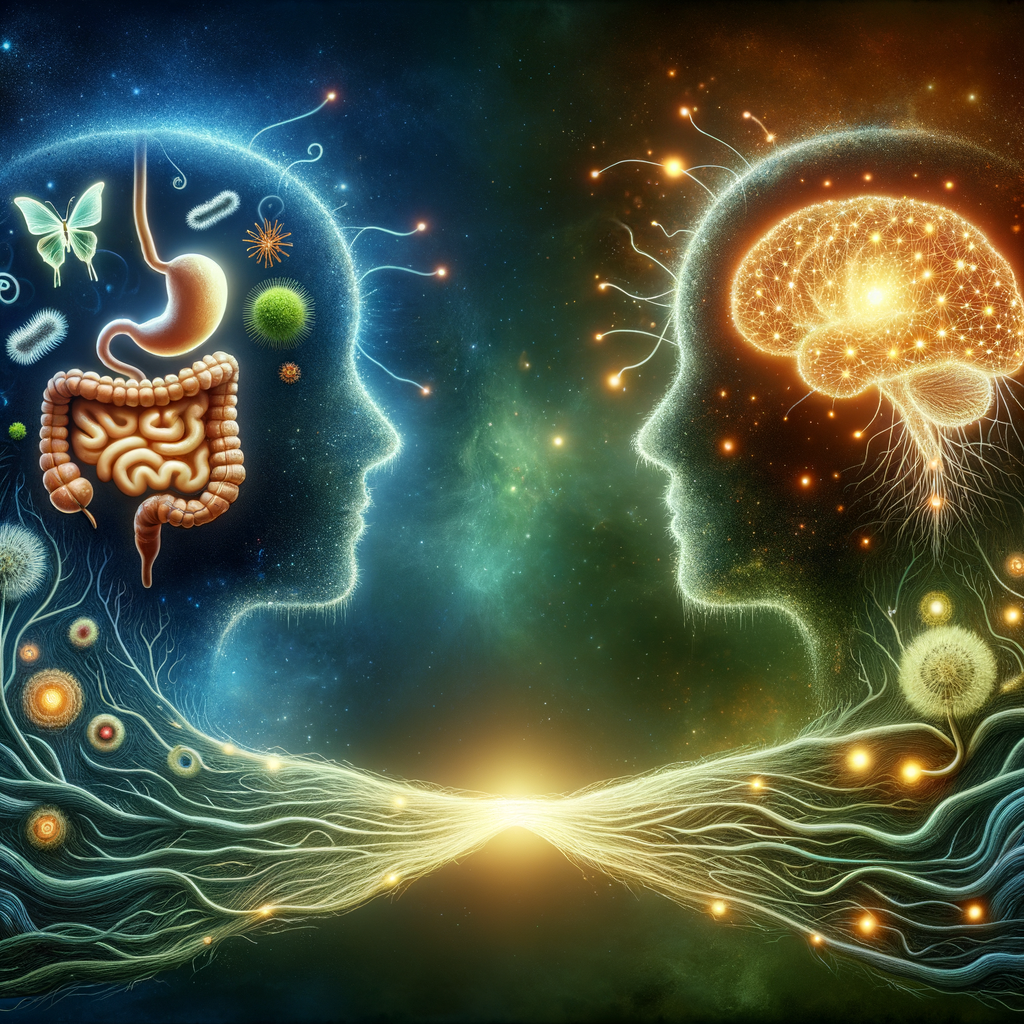
The Hidden Link Between Gut Health and Mental Wellness The human body is a complex system, and the gut is no exception. It is home to trillions of microorganisms, including bacteria, viruses, and fungi, collectively known as the gut microbiome. These microorganisms play a crucial role in maintaining our overall health, including our mental wellness. Recent research has shown that there is a hidden link between gut health and mental wellness, and probiotics may be the key to unlocking this connection. Probiotics are live microorganisms that are beneficial to our health when consumed in adequate amounts. They are found in fermented foods such as yogurt, kefir, and sauerkraut, as well as in dietary supplements. Probiotics have been shown to have a positive impact on gut health by promoting the growth of beneficial bacteria and inhibiting the growth of harmful bacteria. This, in turn, can have a positive impact on mental wellness. The gut-brain axis is a bidirectional communication system between the gut and the brain. It is through this axis that the gut microbiome can influence mental health. The gut microbiome produces neurotransmitters such as serotonin and dopamine, which are known to regulate mood. An imbalance in the gut microbiome can lead to a decrease in the production of these neurotransmitters, which can result in mood disorders such as depression and anxiety. Studies have shown that individuals with mood disorders often have an altered gut microbiome. For example, individuals with depression have been found to have lower levels of certain beneficial bacteria in their gut. This suggests that there may be a link between gut health and mental wellness. Probiotics have been shown to have a positive impact on mood disorders. In one study, individuals with depression who took a probiotic supplement for eight weeks reported a significant improvement in their symptoms. Another study found that individuals with anxiety who took a probiotic supplement for six weeks reported a decrease in their anxiety levels. The exact mechanism by which probiotics influence mental health is not yet fully understood. However, it is believed that probiotics may help to restore the balance of the gut microbiome, which in turn can lead to an increase in the production of neurotransmitters that regulate mood. Probiotics may also help to reduce inflammation in the gut, which has been linked to mood disorders. In conclusion, there is a hidden link between gut health and mental wellness. The gut microbiome plays a crucial role in maintaining our mental health, and probiotics may be the key to unlocking this connection. By promoting the growth of beneficial bacteria and inhibiting the growth of harmful bacteria, probiotics can have a positive impact on mood disorders. While more research is needed to fully understand the mechanism by which probiotics influence mental health, the evidence so far suggests that they may be a promising treatment option for individuals with mood disorders.


Comments