

Yoga Props 101: Enhancing Your Practice with Blocks, Straps, and Bolsters
Table of Contents
Introduction
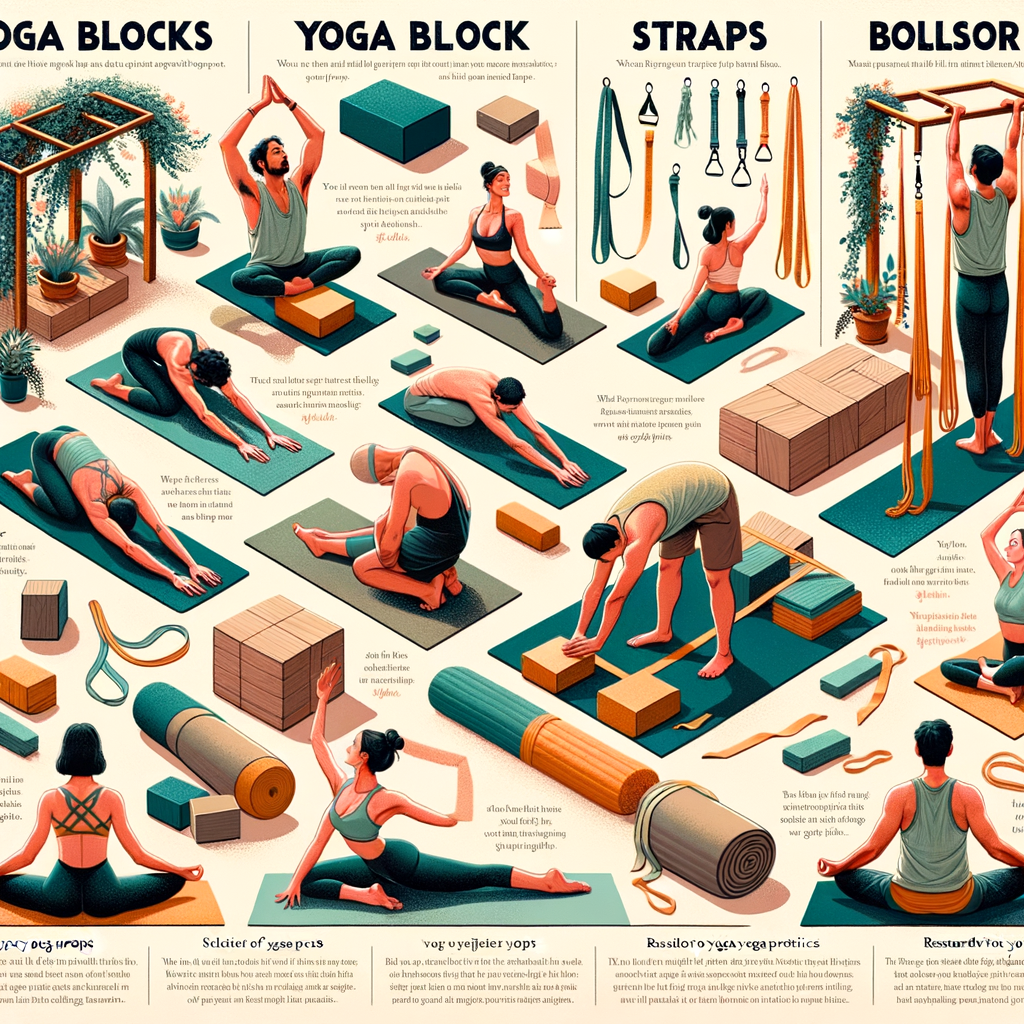
Yoga props, such as blocks, straps, and bolsters, are essential tools that can enhance your yoga practice by providing support, stability, and alignment. These props can help both beginners and advanced practitioners to deepen their poses, prevent injury, and achieve proper form. Blocks can be used to bring the ground closer to you in standing poses, straps can help you reach your limbs in binds and stretches, and bolsters can provide comfort and relaxation in restorative poses. Incorporating these props into your practice can open up a new world of possibilities and help you to experience the full benefits of yoga.The Essential Guide to Using Yoga Blocks for Support and Alignment
Yoga is a practice that has been around for thousands of years, and it has evolved to include various props that can enhance your practice. These props, such as blocks, straps, and bolsters, can provide support and alignment, making your yoga practice more accessible and enjoyable. In this article, we will focus on the essential guide to using yoga blocks for support and alignment. Yoga blocks are a versatile prop that can be used in various ways to support your practice. They are typically made of foam, cork, or wood and come in different sizes and shapes. Blocks can be used to provide stability, support, and alignment in various poses, making them an essential tool for both beginners and advanced practitioners. One of the primary uses of yoga blocks is to provide support in poses where you may not be able to reach the ground. For example, in a forward fold, if you cannot reach the ground with your hands, you can place a block under each hand to provide support and stability. This allows you to maintain proper alignment and avoid straining your muscles. Blocks can also be used to provide support in balancing poses. For example, in half-moon pose, you can place a block under your bottom hand to help you balance and maintain proper alignment. This can help you to focus on the pose and avoid falling out of it. Another use of yoga blocks is to provide support in restorative poses. For example, in a supported bridge pose, you can place a block under your sacrum to provide support and allow your body to relax into the pose. This can help to release tension in your lower back and hips, making the pose more comfortable and restorative. Blocks can also be used to provide alignment in poses. For example, in triangle pose, you can place a block under your bottom hand to ensure that your hand, shoulder, and hip are all in alignment. This can help to prevent injury and ensure that you are getting the most out of the pose. When using yoga blocks, it is essential to choose the right size and shape for your body and the pose you are practicing. If you are a beginner, it may be helpful to start with a larger block to provide more support. As you become more comfortable with the poses, you can use smaller blocks to challenge yourself and improve your alignment. It is also important to use the blocks in a way that feels comfortable for your body. If a block is causing discomfort or pain, it is essential to adjust the position or use a different size block. Yoga is about listening to your body and finding what works best for you. In conclusion, yoga blocks are an essential prop that can enhance your practice by providing support and alignment. They can be used in various ways to make poses more accessible and comfortable, allowing you to focus on your breath and the pose itself. Whether you are a beginner or an advanced practitioner, incorporating blocks into your practice can help you to deepen your practice and improve your overall well-being.How to Incorporate Yoga Straps into Your Practice for Increased Flexibility
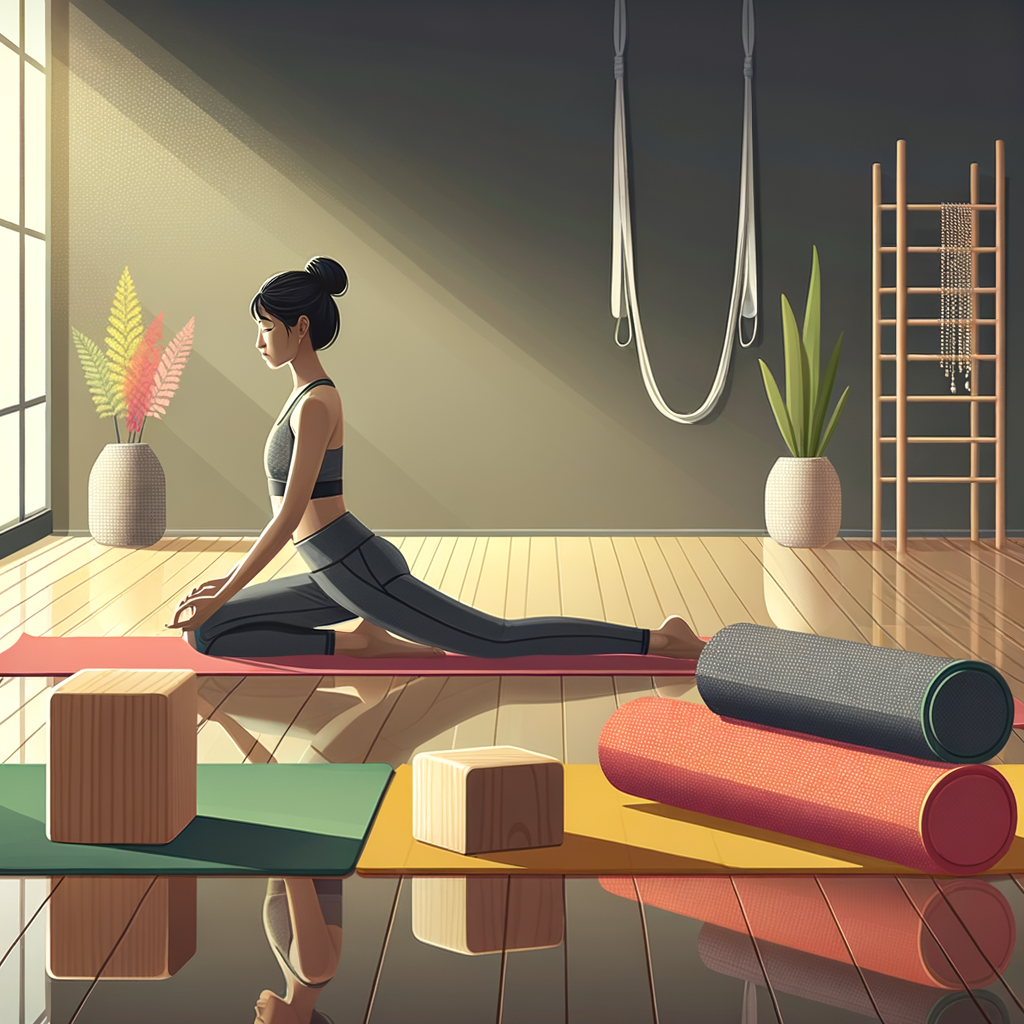
Yoga is a practice that has been around for thousands of years, and it has evolved to include various tools and props to enhance the experience. One such prop that has gained popularity in recent years is the yoga strap. Yoga straps are versatile tools that can help practitioners of all levels improve their flexibility, alignment, and overall practice. Incorporating yoga straps into your practice can be a game-changer, especially if you struggle with flexibility. Straps can help you reach further in poses that may have been previously inaccessible to you. For example, in a seated forward fold, you can loop the strap around the soles of your feet and gently pull yourself forward, allowing for a deeper stretch without straining your back or hamstrings. Straps can also be used to improve alignment in poses. In a pose like triangle, where the goal is to create a straight line from your fingertips to your toes, a strap can help you achieve this alignment by providing a point of contact for your hand to reach. This can help you avoid collapsing into the pose and instead maintain the integrity of the alignment. Another way to incorporate straps into your practice is by using them to assist in binds. Binds can be challenging for those with tight shoulders or limited range of motion. By using a strap, you can create a bind without straining your joints or compromising your form. This can help you experience the benefits of the bind without risking injury. Straps can also be used to deepen stretches in restorative poses. In a pose like reclined pigeon, you can loop the strap around your foot and gently pull it towards you, allowing for a deeper stretch in the hip and glute area. This can be especially beneficial for those who sit for long periods and experience tightness in these areas. When using a yoga strap, it’s important to start slowly and listen to your body. Avoid pulling too hard or forcing yourself into a pose. The strap should be used as a gentle guide, not a tool for pushing past your limits. It’s also important to choose a strap that is the right length for your body and practice. Straps come in various lengths, so be sure to select one that will work for you. In conclusion, incorporating yoga straps into your practice can be a great way to improve flexibility, alignment, and overall experience. Straps can help you access poses that may have been previously out of reach, deepen stretches in restorative poses, and assist in binds without straining your joints. By using a strap as a gentle guide, you can safely explore new depths in your practice and experience the many benefits that yoga has to offer. Whether you’re a beginner or an experienced practitioner, a yoga strap can be a valuable addition to your practice.





Comments