


5 Mind-Blowing Ways Sound Therapy Is Revolutionizing Mental Health
Table of Contents
Introduction
Sound therapy is an innovative approach to mental health treatment that is gaining popularity due to its effectiveness and non-invasive nature. This therapy uses various forms of sound, such as music, nature sounds, and specialized instruments, to promote relaxation, reduce stress, and improve overall well-being. Here are five mind-blowing ways sound therapy is revolutionizing mental health: 1. Alleviating symptoms of anxiety and depression 2. Enhancing cognitive function and memory 3. Improving sleep quality and reducing insomnia 4. Boosting mood and emotional regulation 5. Offering a holistic approach to mental health care These groundbreaking benefits of sound therapy are transforming the way we approach mental health, offering a complementary and alternative option for those seeking relief from various psychological conditions.The Science Behind Sound Therapy and Its Impact on Mental Health
Sound therapy, also known as sound healing, is an ancient practice that has been used for centuries to promote physical and emotional well-being. In recent years, sound therapy has gained popularity as a complementary treatment for mental health conditions, and for good reason. Research has shown that sound therapy can have a profound impact on the brain and body, leading to improved mental health outcomes. One of the most mind-blowing ways that sound therapy is revolutionizing mental health is through its ability to reduce stress and anxiety. Stress and anxiety are common mental health conditions that can have a significant impact on a person’s quality of life. Sound therapy can help to reduce stress and anxiety by promoting relaxation and calming the nervous system. The soothing sounds of instruments such as singing bowls, gongs, and tuning forks can help to slow down the heart rate and reduce the production of stress hormones, leading to a sense of calm and relaxation. Another way that sound therapy is revolutionizing mental health is through its ability to improve sleep. Poor sleep is a common symptom of many mental health conditions, including depression and anxiety. Sound therapy can help to improve sleep by promoting relaxation and reducing the time it takes to fall asleep. The calming sounds of sound therapy can also help to improve the quality of sleep, leading to a more restful and rejuvenating night’s sleep. Sound therapy is also being used to treat depression. Depression is a serious mental health condition that can have a significant impact on a person’s quality of life. Sound therapy can help to alleviate the symptoms of depression by promoting relaxation and reducing stress. The soothing sounds of sound therapy can also help to improve mood and increase feelings of well-being. In addition to its impact on stress, anxiety, sleep, and depression, sound therapy is also being used to improve cognitive function. Cognitive function refers to the ability to think, learn, and remember. Sound therapy can help to improve cognitive function by promoting relaxation and reducing stress, which can have a positive impact on the brain’s ability to process information and learn new things. Finally, sound therapy is revolutionizing mental health by providing a non-invasive and drug-free treatment option. Many people are hesitant to take medication for mental health conditions due to the potential side effects and risk of addiction. Sound therapy provides a safe and effective alternative to medication, with no known side effects or risk of addiction. In conclusion, sound therapy is a powerful tool for improving mental health. Its ability to reduce stress and anxiety, improve sleep, treat depression, improve cognitive function, and provide a non-invasive and drug-free treatment option make it a valuable addition to the field of mental health treatment. As research continues to uncover the many benefits of sound therapy, it is likely that this ancient practice will continue to gain popularity as a complementary treatment for mental health conditions.Exploring the Different Types of Sound Therapy for Anxiety and Depression
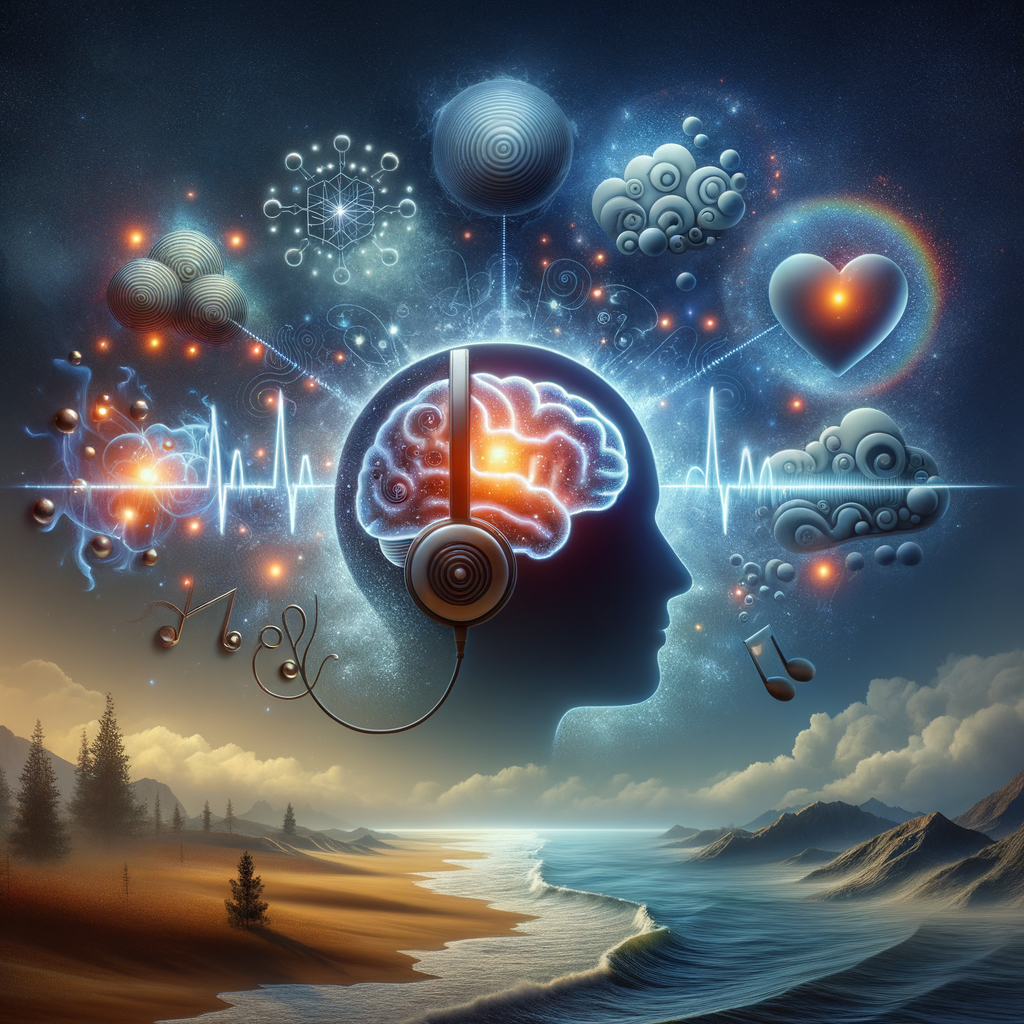
Sound therapy is an innovative approach to mental health treatment that is gaining popularity among practitioners and patients alike. This form of therapy uses sound waves and vibrations to promote relaxation, reduce stress, and improve overall well-being. It is a non-invasive and drug-free alternative to traditional mental health treatments, and it is proving to be highly effective in managing symptoms of anxiety and depression. One of the most mind-blowing ways that sound therapy is revolutionizing mental health is through its ability to induce a deep state of relaxation. When we are stressed or anxious, our bodies go into fight-or-flight mode, which can lead to a host of physical and mental health issues. Sound therapy uses calming sounds and vibrations to activate the parasympathetic nervous system, which is responsible for relaxation and rest. This can help to reduce stress and anxiety levels, and promote a sense of calm and well-being. Another way that sound therapy is changing the mental health landscape is through its ability to improve sleep quality. Many people with anxiety and depression struggle with insomnia or other sleep disturbances. Sound therapy can help to regulate sleep patterns by using soothing sounds to lull the mind and body into a restful state. This can lead to better sleep quality and duration, which can have a positive impact on overall mental health. Sound therapy is also being used to help manage symptoms of depression. Research has shown that certain frequencies and vibrations can have a positive effect on mood and emotions. By using sound therapy to target specific areas of the brain, practitioners can help to alleviate symptoms of depression and improve overall mood. This can be a powerful tool for those who are struggling with depression and are looking for a natural and non-invasive treatment option. In addition to its mental health benefits, sound therapy is also being used to improve cognitive function. Studies have shown that certain sounds and vibrations can enhance memory, focus, and concentration. This can be particularly beneficial for those with anxiety and depression, as these conditions can often lead to cognitive impairments. By using sound therapy to improve cognitive function, patients can experience a greater sense of clarity and mental sharpness. Finally, sound therapy is revolutionizing mental health by providing a holistic approach to treatment. Unlike traditional mental health treatments that often focus on symptoms alone, sound therapy takes into account the whole person – mind, body, and spirit. By using sound to promote relaxation, improve sleep, enhance mood, and boost cognitive function, sound therapy offers a comprehensive approach to mental health that can lead to lasting change. In conclusion, sound therapy is a groundbreaking approach to mental health treatment that is changing the way we think about anxiety and depression. With its ability to promote relaxation, improve sleep, alleviate symptoms of depression, enhance cognitive function, and provide a holistic approach to treatment, sound therapy is proving to be a highly effective and innovative way to manage mental health. As research continues to uncover the many benefits of sound therapy, it is likely that this form of treatment will become an increasingly popular option for those seeking relief from anxiety and depression.





Comments