


The Hidden Dangers of Improper Breathing During Meditation
Table of Contents
Introduction
The practice of meditation has been widely recognized for its numerous benefits, including stress reduction, improved focus, and increased self-awareness. However, there is a lesser-known aspect of meditation that can pose potential risks to practitioners: improper breathing. When done incorrectly, breathing during meditation can lead to a range of negative effects on both physical and mental health. It is essential for individuals to understand the hidden dangers of improper breathing during meditation and learn the correct techniques to avoid any adverse outcomes.The Impact of Incorrect Breathing Techniques on Mental Health
Meditation is a practice that has been used for centuries to promote relaxation, reduce stress, and improve overall mental health. However, many people are unaware of the hidden dangers of improper breathing during meditation. Incorrect breathing techniques can have a negative impact on mental health, leading to increased anxiety, stress, and even physical health problems. Breathing is an essential part of meditation, as it helps to focus the mind and bring awareness to the present moment. However, when done incorrectly, it can have the opposite effect. Shallow breathing, for example, can lead to hyperventilation, which can cause dizziness, lightheadedness, and even panic attacks. On the other hand, holding the breath for too long can lead to a buildup of carbon dioxide in the body, which can cause headaches, fatigue, and difficulty concentrating. Furthermore, improper breathing during meditation can also disrupt the balance of oxygen and carbon dioxide in the body, leading to a condition known as respiratory alkalosis. This condition can cause a range of symptoms, including muscle twitching, numbness, and tingling in the extremities, and even seizures in severe cases. In addition to the physical symptoms, improper breathing during meditation can also have a negative impact on mental health. When the body is not receiving enough oxygen, it can lead to feelings of anxiety and stress. This can be particularly problematic for individuals who are already struggling with mental health issues, as it can exacerbate their symptoms and make it more difficult to manage their condition. Moreover, the stress and anxiety caused by improper breathing during meditation can also lead to a decrease in the effectiveness of the practice. Meditation is meant to be a calming and relaxing experience, but when the body is in a state of stress, it can be difficult to achieve the desired state of relaxation. This can lead to frustration and a feeling of failure, which can further contribute to feelings of anxiety and stress. It is important to note that proper breathing during meditation is not a one-size-fits-all approach. Each individual may have different needs and preferences when it comes to their breathing technique. However, there are some general guidelines that can help to ensure that the practice is safe and effective. For example, it is important to breathe deeply and slowly, allowing the breath to fill the lungs completely before exhaling. It is also important to focus on the breath and to be mindful of any tension or discomfort in the body. In conclusion, improper breathing during meditation can have a significant impact on mental health. It can lead to physical symptoms, such as dizziness and headaches, as well as increased anxiety and stress. It is important to be aware of the potential dangers of incorrect breathing techniques and to take the necessary steps to ensure that the practice is safe and effective. By focusing on proper breathing, individuals can experience the full benefits of meditation and improve their overall mental health.Physical Consequences of Improper Breathing During Meditation
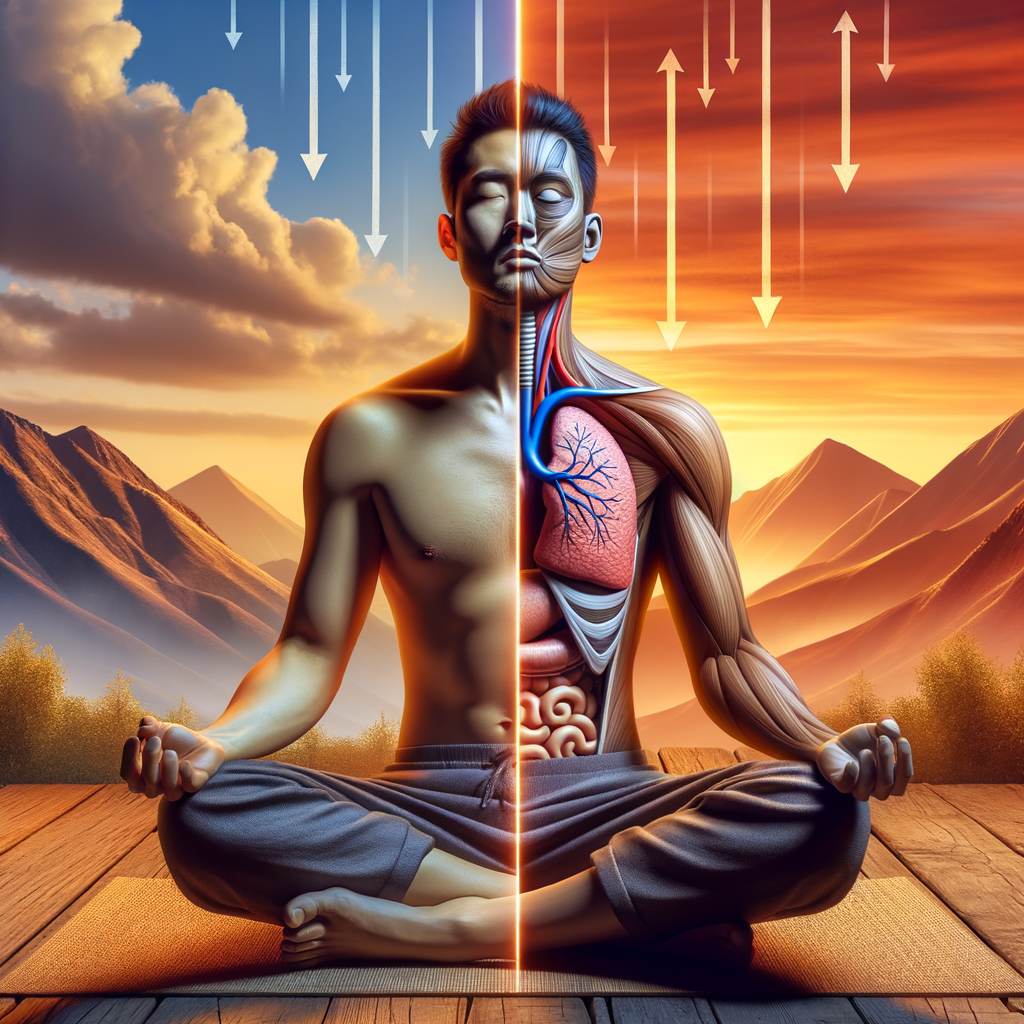
Meditation is a practice that has been around for centuries, and it is known for its numerous benefits, including reducing stress, improving focus, and promoting overall well-being. However, what many people do not realize is that improper breathing during meditation can have serious physical consequences. Breathing is an essential part of meditation, and it is important to do it correctly to reap the full benefits of the practice. When done properly, breathing during meditation can help to calm the mind and relax the body. However, when done incorrectly, it can lead to a range of physical problems, including hyperventilation, dizziness, and even fainting. One of the most common mistakes people make when breathing during meditation is taking shallow breaths. This can lead to hyperventilation, which is when you breathe too quickly and take in more oxygen than your body needs. This can cause a range of symptoms, including lightheadedness, tingling in the hands and feet, and a feeling of being disconnected from your body. In severe cases, it can even lead to fainting. Another mistake people make is holding their breath during meditation. This can cause a buildup of carbon dioxide in the body, which can lead to dizziness and a feeling of suffocation. It can also cause a drop in blood pressure, which can lead to fainting. It is also important to breathe through your nose during meditation, rather than your mouth. Breathing through your mouth can lead to dryness in the mouth and throat, which can be uncomfortable and distracting. It can also cause you to take in too much air, which can lead to hyperventilation. To avoid these physical consequences, it is important to focus on your breath during meditation and make sure you are breathing correctly. This means taking slow, deep breaths through your nose, and exhaling fully. It is also important to pay attention to your body and how it feels as you breathe. If you start to feel lightheaded or dizzy, it is a sign that you are not breathing correctly and you should adjust your breath accordingly. In addition to the physical consequences, improper breathing during meditation can also have an impact on the mental and emotional benefits of the practice. If you are not breathing correctly, it can be difficult to relax and focus, which can make it harder to achieve the desired state of calm and mindfulness. In conclusion, while meditation is a powerful tool for improving mental and physical health, it is important to be aware of the hidden dangers of improper breathing during the practice. By paying attention to your breath and making sure you are breathing correctly, you can avoid the physical consequences of hyperventilation, dizziness, and fainting, and fully experience the benefits of meditation. Remember, the key to successful meditation is not just in the mind, but also in the breath.





Comments