


Yoga Poses to Boost Your Mental Health
Table of Contents
Introduction
Yoga is an ancient practice that has been used for centuries to promote physical, mental, and spiritual well-being. It involves a combination of physical postures, breathing exercises, and meditation techniques that can help to reduce stress, improve mood, and enhance overall mental health. With the increasing demands of modern life, many people are turning to yoga as a way to find balance and peace of mind. Incorporating yoga poses into your daily routine can help to boost your mental health by increasing self-awareness, promoting relaxation, and improving concentration and focus. Whether you are a beginner or an experienced practitioner, there are a variety of yoga poses that can be tailored to your individual needs and abilities.The Top 5 Yoga Poses for Reducing Anxiety and Stress
Yoga has been practiced for thousands of years as a way to promote physical and mental well-being. In recent years, it has gained popularity as a tool for reducing anxiety and stress. With the fast-paced and high-pressure lifestyle that many people lead, it’s no wonder that mental health issues are on the rise. Fortunately, yoga offers a natural and effective way to manage these issues. Here are the top five yoga poses that can help boost your mental health. First on the list is the Child’s Pose. This pose is a resting position that allows you to focus on your breath and calm your mind. It is a gentle stretch for the back, hips, and thighs, and it can help to release tension in the body. To do this pose, start on your hands and knees, then sit back on your heels and stretch your arms out in front of you. Rest your forehead on the mat and take deep breaths, allowing your body to relax with each exhale. Next is the Cat-Cow Pose, which is a gentle flow between two poses that warms up the spine and relieves tension in the back and neck. Start on your hands and knees, with your wrists under your shoulders and your knees under your hips. Inhale as you arch your back and look up, then exhale as you round your back and tuck your chin to your chest. This pose can help to relieve stress and improve your mood by increasing circulation to the spine and calming the mind. The third pose is the Standing Forward Bend. This pose stretches the hamstrings and calves, and it can help to relieve tension in the neck and shoulders. It also promotes blood flow to the brain, which can help to reduce anxiety and improve focus. To do this pose, stand with your feet hip-width apart and fold forward from the hips, reaching your hands towards the floor. If you can’t reach the floor, you can place your hands on your shins or use a block for support. The fourth pose is the Legs-Up-The-Wall Pose. This pose is a restorative inversion that can help to reduce stress and anxiety by promoting relaxation and calming the nervous system. It also helps to improve circulation and reduce swelling in the legs. To do this pose, sit with one side of your body against a wall, then swing your legs up the wall as you lie back on the floor. Rest your arms by your sides and take deep breaths, allowing your body to relax and release any tension. Finally, the Corpse Pose is a relaxation pose that is often done at the end of a yoga practice. It allows the body to rest and rejuvenate, and it can help to reduce stress and anxiety by promoting a sense of calm and peace. To do this pose, lie on your back with your arms by your sides and your legs slightly apart. Close your eyes and take deep breaths, focusing on the sensation of your breath as it moves in and out of your body. In conclusion, yoga offers a natural and effective way to manage anxiety and stress. These five poses are just a few examples of how yoga can help to boost your mental health. By incorporating these poses into your daily routine, you can promote relaxation, reduce tension, and improve your overall well-being.Enhancing Your Mood with These 7 Yoga Poses
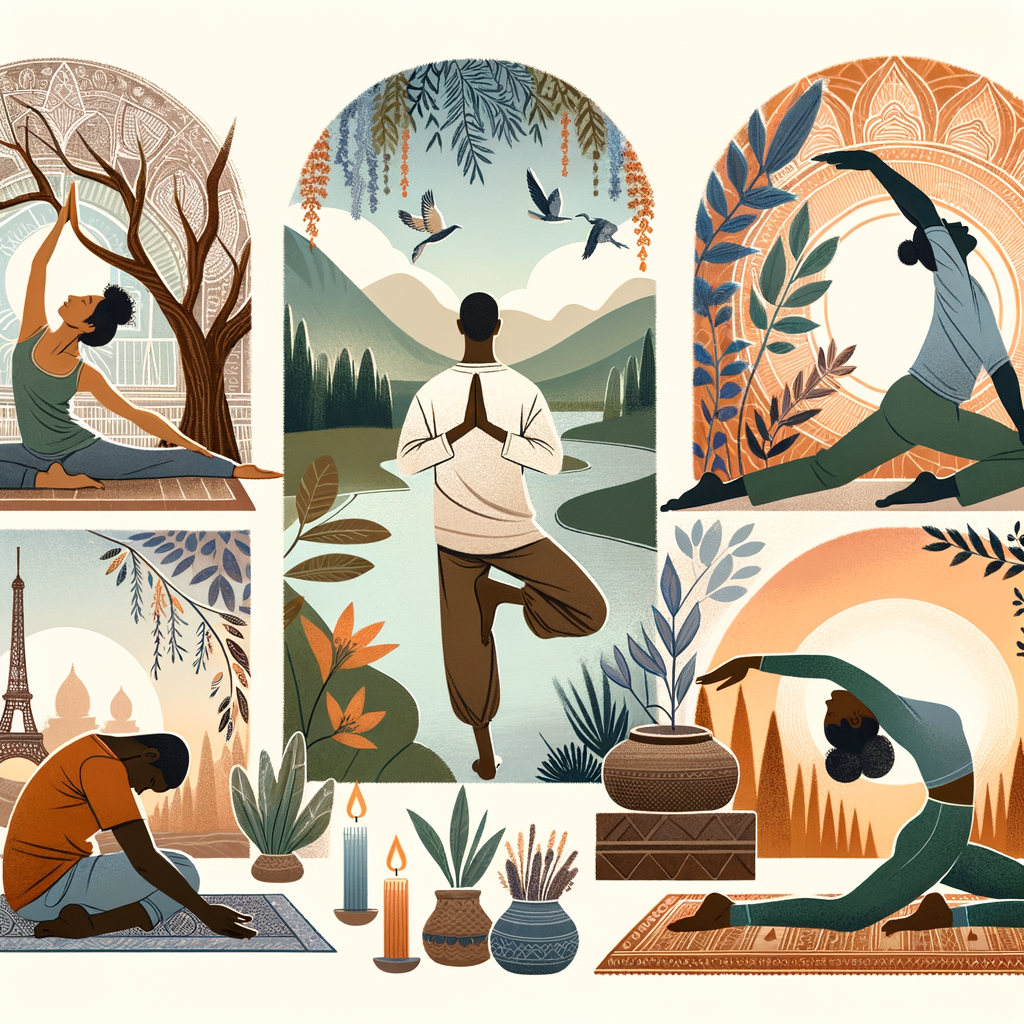
Yoga is an ancient practice that has been used for centuries to promote physical and mental well-being. In recent years, there has been a growing body of research that suggests that yoga can be an effective tool for improving mental health. In this article, we will explore seven yoga poses that can help to boost your mood and enhance your overall mental health. The first pose to consider is the Child’s Pose. This pose is a gentle, restorative posture that can help to calm the mind and reduce stress. To perform the Child’s Pose, start by kneeling on the floor with your big toes touching and your knees hip-width apart. Then, lower your torso down between your thighs and extend your arms out in front of you. Rest your forehead on the floor and take deep, slow breaths. This pose can help to soothe the nervous system and promote a sense of relaxation. Another pose that can help to improve mental health is the Cat-Cow Pose. This pose involves moving the spine through a series of flexion and extension movements, which can help to release tension in the back and neck. To perform the Cat-Cow Pose, start on your hands and knees with your wrists directly under your shoulders and your knees under your hips. Inhale as you arch your back and look up towards the ceiling, then exhale as you round your spine and tuck your chin to your chest. Repeat this movement several times, focusing on the breath and the movement of the spine. The Warrior II Pose is another great option for boosting mental health. This pose helps to build strength and confidence, while also promoting a sense of grounding and stability. To perform the Warrior II Pose, start by standing with your feet about three to four feet apart. Turn your right foot out 90 degrees and your left foot in slightly. Bend your right knee so that it is directly over your ankle, and extend your arms out to the sides, parallel to the floor. Hold this pose for several breaths, then switch sides. The Tree Pose is another pose that can help to improve mental health. This pose requires balance and focus, which can help to quiet the mind and reduce anxiety. To perform the Tree Pose, start by standing with your feet together. Shift your weight onto your left foot and bring your right foot to rest on your inner left thigh. Bring your hands together in front of your chest in a prayer position, and focus on a point in front of you to help maintain your balance. Hold this pose for several breaths, then switch sides. The Bridge Pose is a gentle backbend that can help to open up the chest and improve mood. To perform the Bridge Pose, start by lying on your back with your knees bent and your feet hip-width apart. Press your feet into the floor and lift your hips up towards the ceiling, keeping your shoulders and head on the floor. Hold this pose for several breaths, then slowly lower your hips back down to the floor. The Corpse Pose is a restorative pose that can help to promote relaxation and reduce stress. To perform the Corpse Pose, simply lie on your back with your arms and legs extended, and allow your body to completely relax. Close your eyes and take deep, slow breaths, focusing on the sensation of your breath moving in and out of your body. Stay in this pose for several minutes, allowing yourself to fully unwind and let go of any tension. Finally, the Seated Forward Bend is a great pose for calming the mind and reducing anxiety. To perform the Seated Forward Bend, sit on the floor with your legs extended in front of you. Inhale as you reach your arms up towards the ceiling, then exhale as you fold forward, reaching for your toes or shins. Allow your head to hang heavy and take deep, slow breaths. Hold this pose for several breaths, then slowly come back up to a seated position. In conclusion, yoga can be a powerful tool for improving mental health. By incorporating these seven poses into your practice, you can help to boost your mood, reduce stress and anxiety, and promote a sense of well-being. Remember to listen to your body and only do what feels comfortable for you. With regular practice, you may find that yoga becomes an essential part of your mental health routine.





Comments