


Yoga for Heart Health: Cardiovascular Benefits of Regular Practice
Table of Contents
Introduction
Yoga is an ancient practice that has been used for centuries to promote physical, mental, and spiritual well-being. In recent years, research has shown that yoga can also have significant benefits for heart health. Regular practice of yoga can help to improve cardiovascular function, lower blood pressure, reduce stress, and improve overall heart health. By incorporating yoga into your daily routine, you can enjoy the many cardiovascular benefits that this practice has to offer.The Impact of Yoga on Lowering Blood Pressure and Reducing Heart Disease Risk
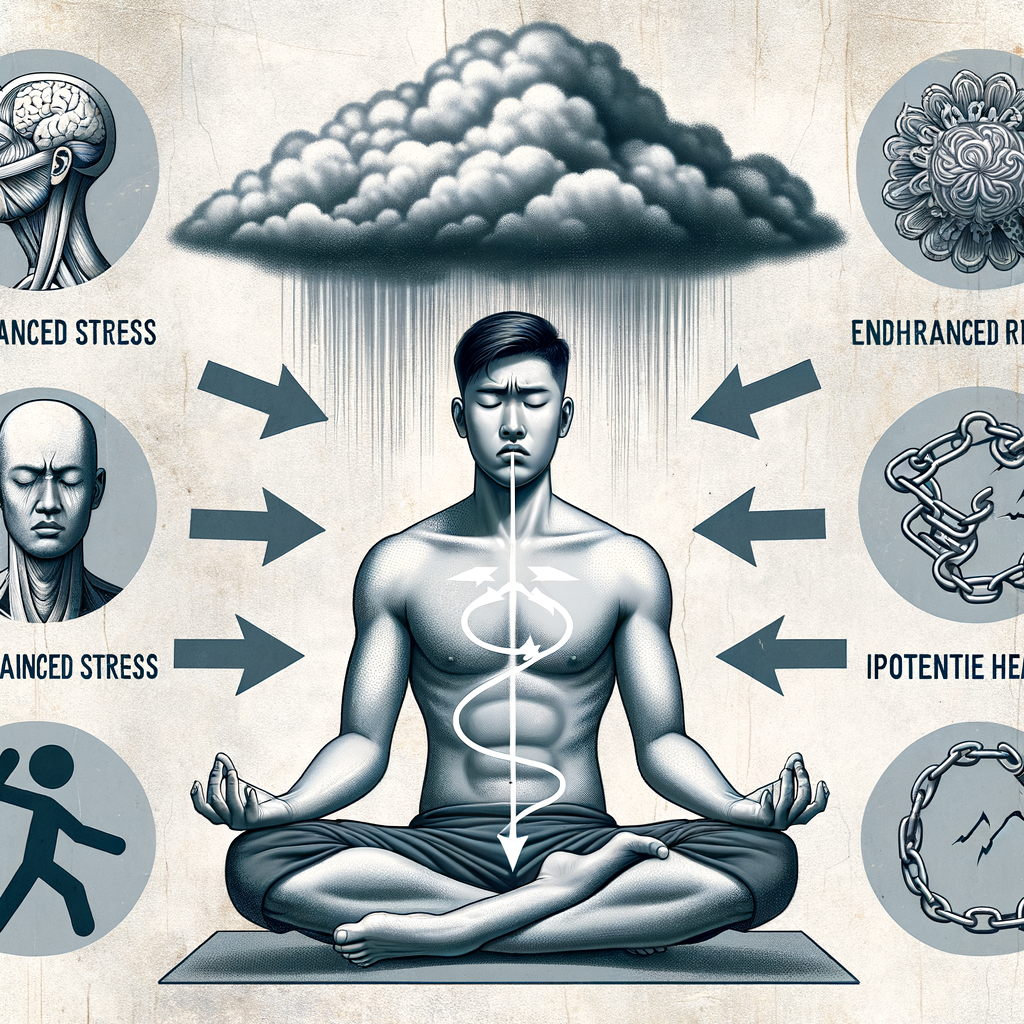
Yoga for Heart Health: Cardiovascular Benefits of Regular Practice Yoga is an ancient practice that has been used for centuries to promote physical, mental, and spiritual well-being. In recent years, it has gained popularity as a form of exercise that can improve cardiovascular health. Research has shown that regular yoga practice can have a positive impact on lowering blood pressure and reducing the risk of heart disease. High blood pressure, also known as hypertension, is a major risk factor for heart disease. It can cause damage to the arteries, leading to atherosclerosis, which is the buildup of plaque in the arteries. This can result in a heart attack or stroke. Yoga has been found to be an effective way to lower blood pressure. The practice of yoga involves deep breathing, which can help to relax the body and reduce stress. Stress is a known contributor to high blood pressure, so by reducing stress, yoga can help to lower blood pressure. In addition to reducing stress, yoga can also improve circulation. The various poses and stretches involved in yoga can help to increase blood flow throughout the body. This can help to reduce the risk of blood clots, which can lead to a heart attack or stroke. Improved circulation can also help to lower blood pressure, as it allows the heart to pump blood more efficiently. Yoga can also help to improve heart health by promoting a healthy lifestyle. Many people who practice yoga also adopt other healthy habits, such as eating a balanced diet and getting regular exercise. These habits can help to reduce the risk of heart disease. Additionally, yoga can help to improve flexibility and strength, which can make it easier to engage in other forms of exercise that are beneficial for heart health. Another way that yoga can benefit heart health is by reducing inflammation. Inflammation is a natural response of the body to injury or infection, but chronic inflammation can contribute to the development of heart disease. Yoga has been found to reduce levels of inflammation in the body, which can help to lower the risk of heart disease. Overall, the practice of yoga can have a significant impact on heart health. By reducing stress, improving circulation, promoting a healthy lifestyle, and reducing inflammation, yoga can help to lower blood pressure and reduce the risk of heart disease. It is a safe and effective form of exercise that can be practiced by people of all ages and fitness levels. In conclusion, yoga is a valuable tool for improving cardiovascular health. It is a holistic practice that can benefit the body, mind, and spirit. By incorporating yoga into a regular exercise routine, individuals can take an important step towards reducing their risk of heart disease and improving their overall health. Whether you are new to yoga or have been practicing for years, the cardiovascular benefits of regular practice are clear. So roll out your mat, take a deep breath, and start reaping the rewards of yoga for heart health.How Yoga Poses and Breathing Techniques Improve Circulation and Heart Function

Yoga for Heart Health: Cardiovascular Benefits of Regular Practice Yoga is an ancient practice that has been used for centuries to promote physical and mental well-being. In recent years, research has shown that yoga can also have a positive impact on heart health. Regular practice of yoga poses and breathing techniques can improve circulation and heart function, making it an effective way to reduce the risk of cardiovascular disease. One of the key ways that yoga benefits the heart is by improving circulation. Many yoga poses involve stretching and twisting the body, which helps to increase blood flow to the muscles and organs. This increased blood flow can help to reduce the risk of blood clots and improve the overall health of the cardiovascular system. Additionally, yoga poses can help to strengthen the muscles of the heart, which can improve its ability to pump blood throughout the body. Another important aspect of yoga for heart health is the focus on breathing techniques. Deep, slow breathing is a central part of many yoga practices, and it can have a profound impact on the cardiovascular system. When we breathe deeply, we increase the amount of oxygen that is delivered to the heart and other organs. This can help to lower blood pressure and reduce the risk of heart disease. Deep breathing also helps to activate the parasympathetic nervous system, which is responsible for the “rest and digest” response. This can help to reduce stress and anxiety, which are known risk factors for heart disease. In addition to the physical benefits of yoga, the practice can also have a positive impact on mental health. Stress and anxiety are major contributors to heart disease, and yoga can help to reduce these negative emotions. The meditative aspect of yoga can help to calm the mind and promote a sense of relaxation and well-being. This can help to reduce the levels of stress hormones in the body, which can have a positive impact on heart health. Overall, the benefits of yoga for heart health are numerous. Regular practice can help to improve circulation, strengthen the heart, reduce stress and anxiety, and promote overall well-being. Whether you are a seasoned yogi or a beginner, incorporating yoga into your routine can have a positive impact on your cardiovascular health. In conclusion, yoga is a powerful tool for improving heart health. The combination of physical poses and breathing techniques can help to improve circulation, strengthen the heart, and reduce stress and anxiety. By incorporating yoga into your routine, you can take an important step towards reducing your risk of cardiovascular disease and promoting overall well-being. So why not roll out your mat and give it a try? Your heart will thank you.




Comments