


Yoga for Beginners: Starting Your Journey to Mind-Body Wellness
Table of Contents
Introduction
Yoga is an ancient practice that originated in India over 5,000 years ago. It is a holistic approach to health and wellness that combines physical postures, breathing techniques, meditation, and ethical principles. For beginners, starting a yoga journey can be both exciting and intimidating. The key is to approach it with an open mind and a willingness to learn. Yoga is not about being flexible or mastering complex poses, but rather about connecting with your body and finding a sense of inner peace. As you begin your yoga journey, remember to listen to your body, go at your own pace, and enjoy the process of self-discovery and transformation.The Basics of Yoga: Understanding the Different Styles and Poses
Yoga for Beginners: Starting Your Journey to Mind-Body Wellness Yoga is an ancient practice that has been around for thousands of years, originating in India. It is a holistic approach to health and wellness that combines physical postures, breathing techniques, and meditation to promote a sense of well-being. For beginners, starting a yoga practice can be both exciting and overwhelming. With so many different styles and poses to choose from, it can be challenging to know where to begin. However, understanding the basics of yoga can help you start your journey to mind-body wellness with confidence. One of the first things to consider when starting a yoga practice is the style of yoga that is right for you. There are many different styles of yoga, each with its own unique focus and benefits. Hatha yoga is a gentle and slow-paced style that is great for beginners. It focuses on basic postures and breathing techniques, making it an excellent introduction to the practice. Vinyasa yoga is a more dynamic and flowing style that links movement with breath. It is a great option for those looking for a more challenging and cardiovascular workout. Ashtanga yoga is a more intense and structured style that follows a specific sequence of postures. It is ideal for those who are looking for a more disciplined and rigorous practice. Once you have chosen a style of yoga that resonates with you, it is important to familiarize yourself with the basic poses. Yoga poses, or asanas, are the foundation of the practice. They are designed to stretch and strengthen the body, improve flexibility, and promote relaxation. Some of the most common poses for beginners include mountain pose, downward-facing dog, and child’s pose. Mountain pose is a standing pose that helps to improve posture and balance. Downward-facing dog is a forward bend that stretches the hamstrings and calves while strengthening the arms and shoulders. Child’s pose is a resting pose that helps to calm the mind and relieve stress. In addition to the physical postures, breathing techniques, or pranayama, are an essential part of yoga. Proper breathing is crucial for maintaining focus and relaxation during the practice. There are many different breathing techniques to choose from, but one of the most basic is diaphragmatic breathing. This involves breathing deeply into the belly, allowing the diaphragm to expand and contract with each breath. This type of breathing helps to calm the nervous system and promote a sense of relaxation. Finally, meditation is another important aspect of yoga. It is a practice that helps to quiet the mind and bring about a sense of inner peace. There are many different meditation techniques to choose from, but one of the simplest is to focus on the breath. By bringing your attention to the breath, you can help to quiet the mind and bring about a sense of stillness. In conclusion, starting a yoga practice can be a rewarding and transformative experience. By understanding the different styles and poses, as well as the importance of breathing and meditation, you can begin your journey to mind-body wellness with confidence. Remember to be patient with yourself and to listen to your body as you explore the practice. With time and dedication, you will begin to experience the many benefits that yoga has to offer.Creating a Yoga Practice at Home: Tips for Beginners
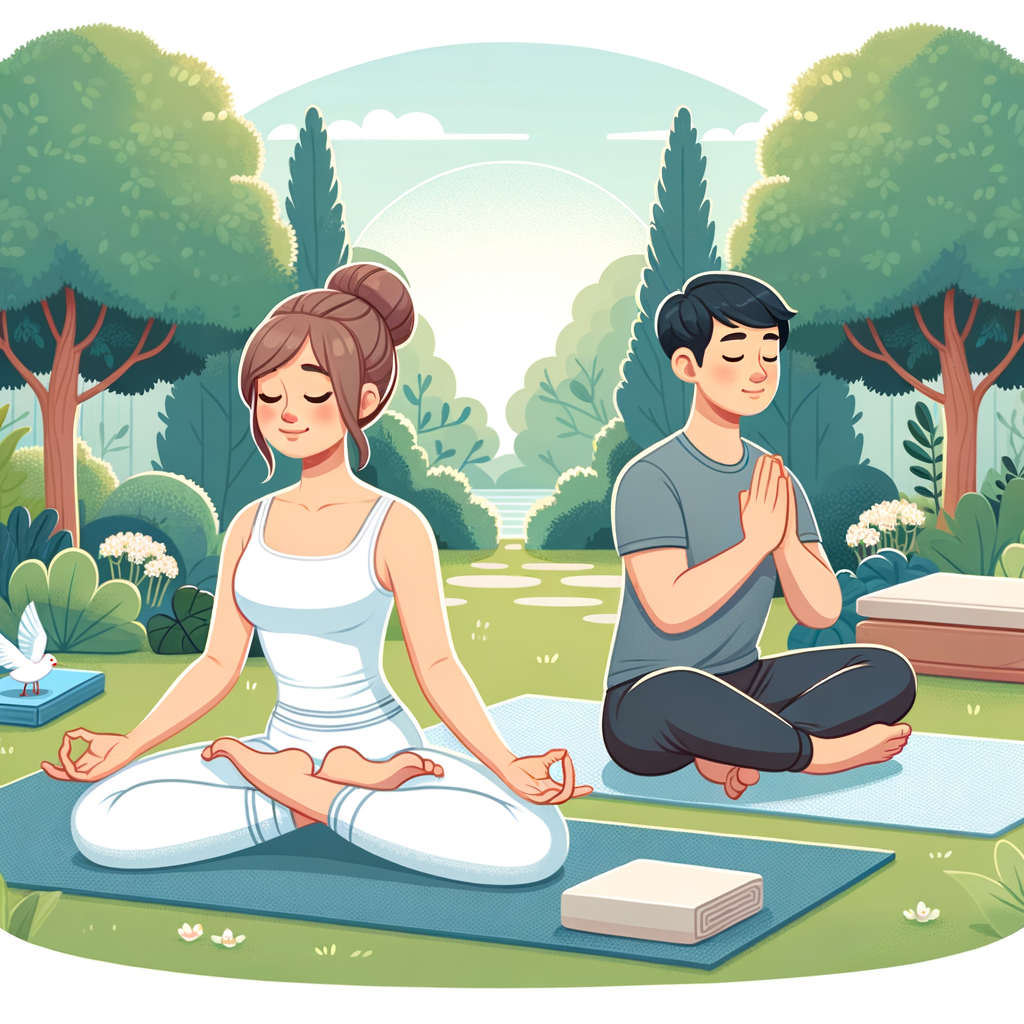
Yoga is an ancient practice that has been used for centuries to promote physical, mental, and spiritual well-being. It is a holistic approach to health that combines physical postures, breathing techniques, and meditation to create a sense of balance and harmony within the body and mind. For beginners, starting a yoga practice at home can be a great way to begin your journey to mind-body wellness. One of the first things to consider when starting a yoga practice at home is to create a dedicated space for your practice. This space should be quiet, clean, and free from distractions. It should also be a place where you feel comfortable and relaxed. You can use a spare room, a corner of your living room, or even a spot in your backyard. The important thing is to have a space where you can focus on your practice without interruptions. Once you have created your space, it is important to gather the necessary equipment. A yoga mat is essential for providing cushioning and support during your practice. You may also want to invest in a few props, such as blocks, straps, and blankets, to help you achieve proper alignment and support in certain poses. These props can be especially helpful for beginners who may not have the flexibility or strength to perform certain postures without assistance. When starting your yoga practice at home, it is important to begin with the basics. There are many different styles of yoga, but for beginners, it is best to start with a gentle, beginner-friendly style such as Hatha or Vinyasa. These styles focus on basic postures and breathing techniques that are suitable for all levels of practitioners. You can find many online resources, such as videos and tutorials, that can guide you through the basics of these styles. As you begin your practice, it is important to listen to your body and not push yourself too hard. Yoga is not about competition or achieving the perfect pose. It is about finding balance and harmony within yourself. If a pose feels uncomfortable or painful, it is important to back off and try a modified version or use props for support. Remember, the goal of yoga is to promote wellness, not to cause injury. Another important aspect of starting a yoga practice at home is to establish a routine. Consistency is key when it comes to yoga. Try to set aside a specific time each day for your practice, whether it is in the morning, afternoon, or evening. This will help you create a habit and make yoga a regular part of your daily routine. Finally, it is important to be patient with yourself as you begin your yoga journey. It takes time to develop strength, flexibility, and balance. Do not be discouraged if you cannot perform certain poses or if you do not see immediate results. Yoga is a lifelong practice, and the benefits will come with time and dedication. In conclusion, starting a yoga practice at home can be a rewarding and fulfilling experience. By creating a dedicated space, gathering the necessary equipment, starting with the basics, listening to your body, establishing a routine, and being patient with yourself, you can begin your journey to mind-body wellness. Remember, yoga is not about perfection, but about finding balance and harmony within yourself.




Comments