

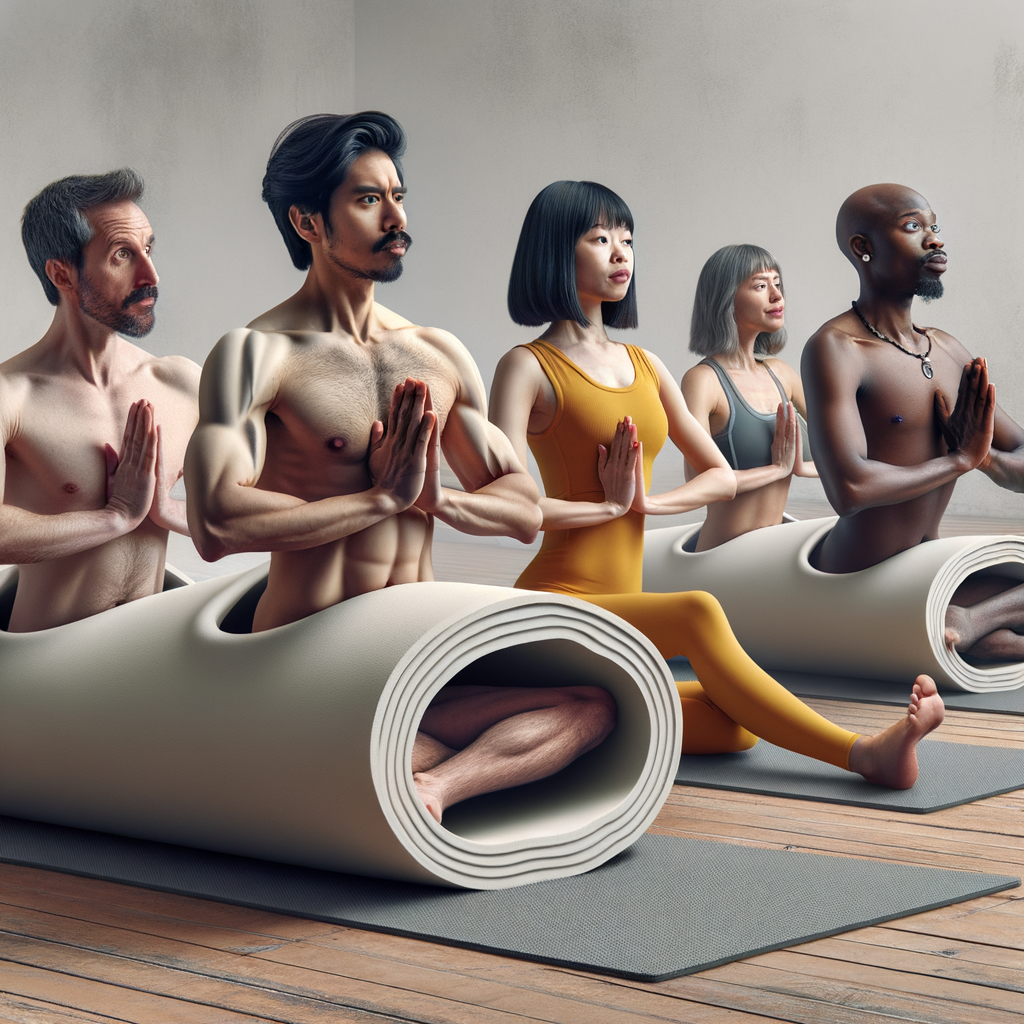
Why Yogis Are Ditching Their Mats for This Bizarre Alternative
Table of Contents
Introduction
Yogis are always on the lookout for new ways to enhance their practice and connect with their inner selves. Recently, a bizarre alternative to traditional yoga mats has been gaining popularity among the yoga community. This alternative offers a unique experience that allows yogis to deepen their practice and challenge their bodies in new ways. In this introduction, we will explore why yogis are ditching their mats for this unconventional option and how it is changing the way they approach their yoga practice.The Rise of Aerial Yoga: Why Yogis Are Taking to the Skies
Aerial yoga, also known as anti-gravity yoga, is a relatively new form of exercise that has been gaining popularity among yogis in recent years. This unique practice involves performing traditional yoga poses while suspended in the air using a hammock or silk fabric. The idea of practicing yoga in mid-air may seem bizarre to some, but many yogis are finding that aerial yoga offers a range of benefits that traditional yoga cannot provide. One of the main reasons why yogis are ditching their mats for aerial yoga is the increased flexibility and range of motion that it offers. When practicing yoga on the ground, gravity can limit the depth of certain poses and make it difficult to fully stretch the muscles. However, when practicing aerial yoga, the hammock supports the body and allows for a greater range of motion. This can help to improve flexibility and make it easier to achieve deeper stretches. Another benefit of aerial yoga is that it can help to build strength. While traditional yoga relies on body weight to build strength, aerial yoga adds an extra element of resistance. The hammock provides support, but it also requires the practitioner to engage their core and upper body muscles to maintain balance and stability. This can help to build strength in areas that may not be targeted as much in traditional yoga. Aerial yoga can also be beneficial for those with injuries or chronic pain. The hammock provides support and can help to alleviate pressure on the joints and spine. This can make it easier for those with injuries or pain to practice yoga without exacerbating their condition. Additionally, the gentle, flowing movements of aerial yoga can help to improve circulation and reduce inflammation. Many yogis are also drawn to aerial yoga for the mental and emotional benefits it offers. The practice can be incredibly relaxing and meditative, as the gentle swaying of the hammock can help to calm the mind and reduce stress. Additionally, the feeling of weightlessness and freedom that comes with practicing yoga in the air can be incredibly liberating and empowering. Of course, aerial yoga is not without its challenges. It requires a certain level of strength and flexibility to begin with, and it can take some time to get used to the sensation of being suspended in the air. However, many yogis find that the benefits of aerial yoga far outweigh the challenges. In conclusion, aerial yoga is a unique and innovative form of exercise that offers a range of physical, mental, and emotional benefits. It allows for greater flexibility and range of motion, builds strength, and can be beneficial for those with injuries or chronic pain. Additionally, the practice can be incredibly relaxing and meditative, providing a sense of liberation and empowerment. As more and more yogis discover the benefits of aerial yoga, it is likely that this practice will continue to rise in popularity.The Benefits of AcroYoga: A New Way to Connect and Build Trust

Yogis around the world are always looking for new ways to challenge themselves and deepen their practice. In recent years, a new trend has emerged that has yogis ditching their mats for something a little more unconventional: AcroYoga. This unique form of yoga combines traditional yoga poses with acrobatics and partner work, creating a practice that is both physically demanding and emotionally rewarding. AcroYoga is a practice that requires two or more people to work together to achieve a common goal. One person, known as the base, supports the other person, known as the flyer, as they move through a series of poses and transitions. The base uses their legs and arms to support the flyer, while the flyer uses their core strength and balance to maintain the poses. This partnership requires a great deal of trust and communication, as both partners must work together to ensure the safety and success of the practice. One of the main benefits of AcroYoga is the deep sense of connection it fosters between partners. As they work together to achieve challenging poses, they must rely on each other for support and guidance. This creates a bond that is both physical and emotional, as partners learn to trust each other and communicate effectively. This sense of connection can be especially beneficial for those who struggle with trust or intimacy in their personal relationships, as it provides a safe and supportive space to explore these issues. In addition to the emotional benefits, AcroYoga also offers a number of physical benefits. The practice requires a great deal of strength, flexibility, and balance, as partners must support each other’s weight and maintain proper alignment throughout the poses. This can help to build muscle, improve flexibility, and increase overall body awareness. The practice also provides a great cardiovascular workout, as the constant movement and transitions between poses can get the heart rate up and provide a good sweat. Another benefit of AcroYoga is that it can be a fun and playful way to practice yoga. Traditional yoga can sometimes feel solitary and serious, but AcroYoga encourages laughter and playfulness as partners work together to achieve their goals. This can help to bring a sense of joy and lightness to the practice, making it more enjoyable and accessible to a wider range of people. Despite the many benefits of AcroYoga, it is important to approach the practice with caution. It requires a great deal of trust and communication, and it is important to work with a partner who is experienced and knowledgeable about the practice. It is also important to listen to your body and not push yourself beyond your limits, as this can lead to injury. Overall, AcroYoga is a unique and rewarding practice that offers a new way to connect with others and build trust. It provides a challenging physical workout, fosters a deep sense of connection, and brings a sense of playfulness to the practice of yoga. For those looking for a new way to deepen their practice and connect with others, AcroYoga may be just the thing.





Comments