

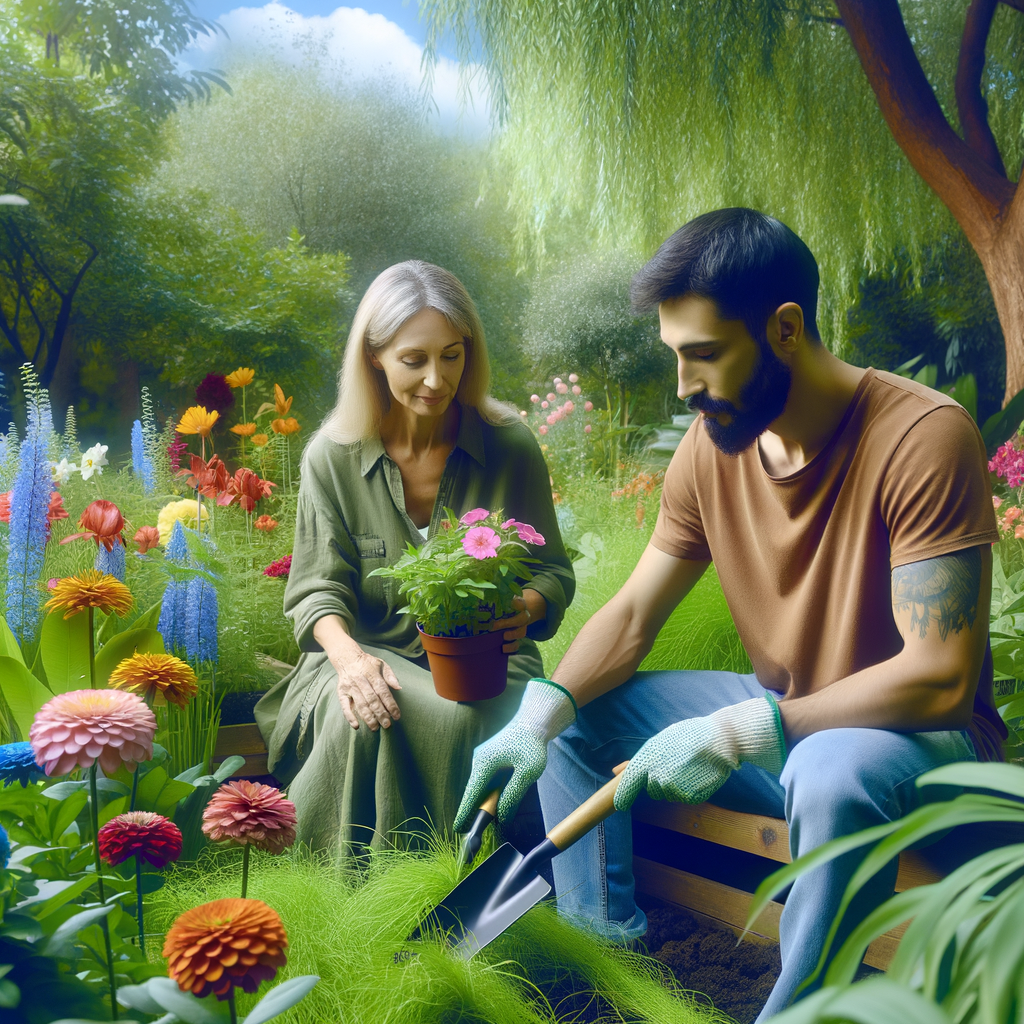
Why Therapists Are Recommending Gardening for PTSD
Table of Contents
Introduction
Therapists are increasingly recommending gardening as a therapeutic activity for individuals suffering from Post-Traumatic Stress Disorder (PTSD). This recommendation is based on the growing body of evidence that suggests gardening can have a positive impact on mental health. The act of nurturing plants, being outdoors, and engaging in a mindful activity can help alleviate symptoms of PTSD, such as anxiety, depression, and stress. Gardening provides a sense of purpose, accomplishment, and a connection to nature, all of which can contribute to the healing process for those with PTSD.The Healing Power of Nature: How Gardening Can Alleviate PTSD Symptoms
Gardening has long been recognized as a therapeutic activity, providing a sense of calm and relaxation for those who engage in it. In recent years, therapists have begun to recommend gardening as a form of treatment for individuals suffering from post-traumatic stress disorder (PTSD). This recommendation is based on the growing body of evidence that suggests that gardening can have a profound impact on the mental health of individuals with PTSD. PTSD is a mental health condition that can develop after a person experiences or witnesses a traumatic event. Symptoms of PTSD can include flashbacks, nightmares, severe anxiety, and uncontrollable thoughts about the event. These symptoms can be debilitating and can significantly impact a person’s quality of life. Traditional treatments for PTSD include therapy and medication, but many individuals are now turning to alternative forms of treatment, such as gardening, to help alleviate their symptoms. One of the reasons why gardening is so effective for individuals with PTSD is that it provides a sense of control. Many individuals with PTSD feel as though they have lost control over their lives and their emotions. Gardening allows them to take control of a small piece of the world and to create something beautiful and nurturing. This sense of control can be incredibly empowering and can help to reduce feelings of helplessness and anxiety. Gardening also provides a sense of purpose and accomplishment. Individuals with PTSD often struggle with feelings of worthlessness and a lack of purpose. Gardening gives them a tangible goal to work towards and a sense of accomplishment when they see the fruits of their labor. This can help to boost self-esteem and provide a sense of meaning and purpose in their lives. In addition to the psychological benefits, gardening also provides physical benefits. Gardening is a form of exercise that can help to reduce stress and improve overall physical health. The act of gardening requires individuals to engage in physical activity, which can help to release endorphins and improve mood. Gardening also provides exposure to sunlight, which can help to regulate the body’s natural sleep-wake cycle and improve sleep quality. Another reason why gardening is so effective for individuals with PTSD is that it allows them to connect with nature. Many individuals with PTSD feel disconnected from the world around them, and gardening provides an opportunity to reconnect with the natural world. The act of nurturing plants and watching them grow can be incredibly healing and can help to reduce feelings of isolation and loneliness. Finally, gardening provides a sense of community and support. Many individuals with PTSD struggle with social isolation and may find it difficult to connect with others. Gardening can provide an opportunity to connect with other gardeners and to build a supportive community. This sense of community can be incredibly important for individuals with PTSD, as it provides a sense of belonging and support. In conclusion, gardening is an effective form of treatment for individuals with PTSD. It provides a sense of control, purpose, and accomplishment, as well as physical and psychological benefits. Gardening also allows individuals to connect with nature and build a supportive community. As more therapists begin to recommend gardening as a form of treatment, it is likely that we will see an increase in the number of individuals with PTSD who are able to find relief from their symptoms through this therapeutic activity.Cultivating Calm: The Therapeutic Benefits of Gardening for PTSD Patients
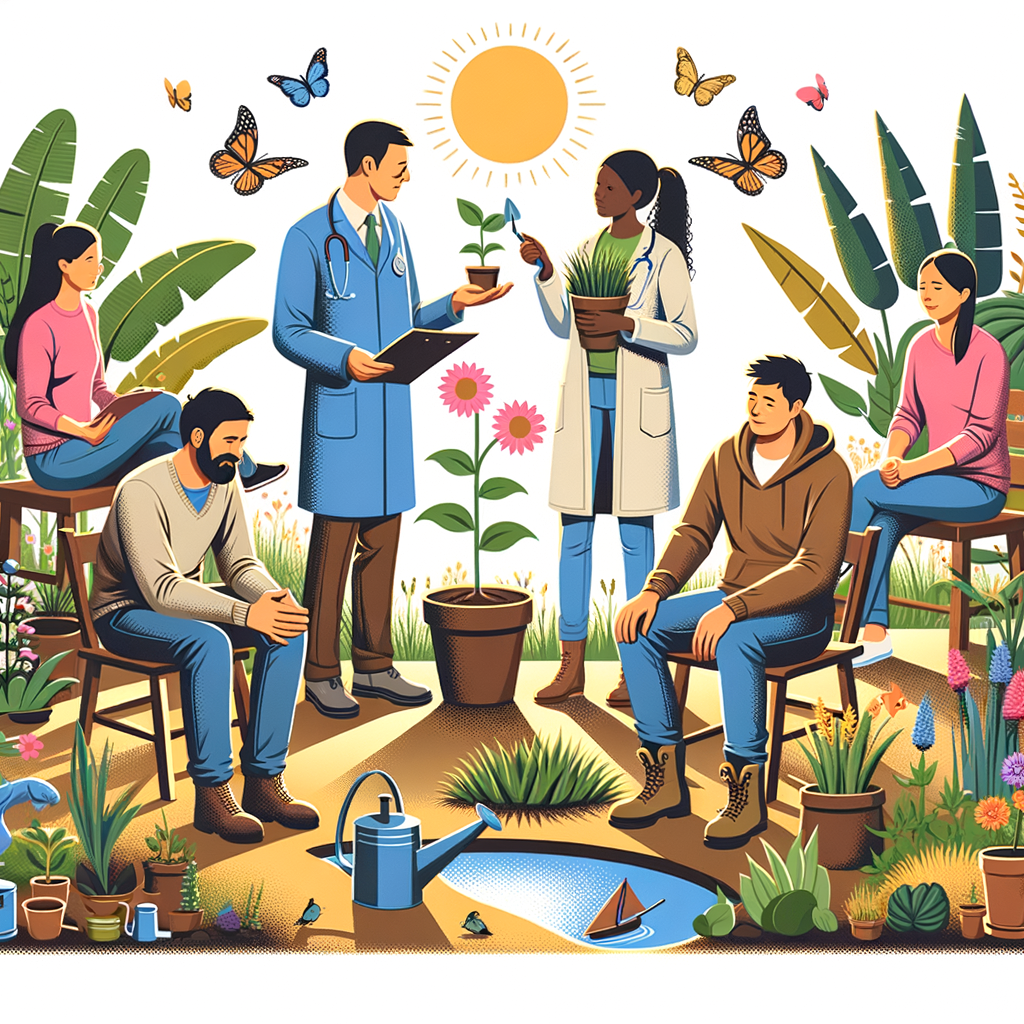
Gardening has long been recognized as a therapeutic activity, providing a sense of calm and relaxation for those who engage in it. In recent years, therapists have begun recommending gardening as a form of therapy for individuals suffering from post-traumatic stress disorder (PTSD). This recommendation is based on the growing body of evidence that suggests gardening can have a positive impact on mental health, particularly for those dealing with the symptoms of PTSD. PTSD is a mental health condition that can develop after a person experiences or witnesses a traumatic event. Symptoms of PTSD can include flashbacks, nightmares, severe anxiety, and uncontrollable thoughts about the event. These symptoms can be debilitating and can interfere with a person’s ability to function in their daily life. Traditional treatments for PTSD include therapy and medication, but many individuals are seeking alternative forms of treatment that can complement these traditional methods. Gardening offers a unique form of therapy for individuals with PTSD. It provides a sense of purpose and accomplishment, as individuals can see the fruits of their labor as their garden grows and flourishes. Gardening also allows individuals to connect with nature, which can have a calming effect on the mind and body. The act of gardening itself can be meditative, as individuals focus on the task at hand and let go of their worries and fears. Furthermore, gardening can provide a sense of control for individuals with PTSD. Traumatic events can leave individuals feeling powerless and out of control, but gardening allows them to take charge of their environment and create something beautiful. This sense of control can be empowering and can help individuals build confidence and self-esteem. In addition to the psychological benefits, gardening can also have physical benefits for individuals with PTSD. Gardening can be a form of exercise, which can help reduce stress and improve overall physical health. The act of gardening can also provide a sense of grounding, as individuals connect with the earth and focus on the present moment. Therapists who recommend gardening for PTSD patients often suggest starting with a small garden or even just a few potted plants. This allows individuals to ease into the activity and not feel overwhelmed by the responsibility of a large garden. Therapists may also recommend gardening as a group activity, as this can provide a sense of community and support for individuals with PTSD. Overall, gardening can be a valuable addition to traditional treatments for PTSD. It provides a sense of calm and relaxation, a sense of purpose and accomplishment, and a sense of control. Gardening can also provide physical benefits and a sense of community for individuals with PTSD. As more research is conducted on the therapeutic benefits of gardening, it is likely that more therapists will recommend this activity as a form of treatment for individuals with PTSD.



Comments