

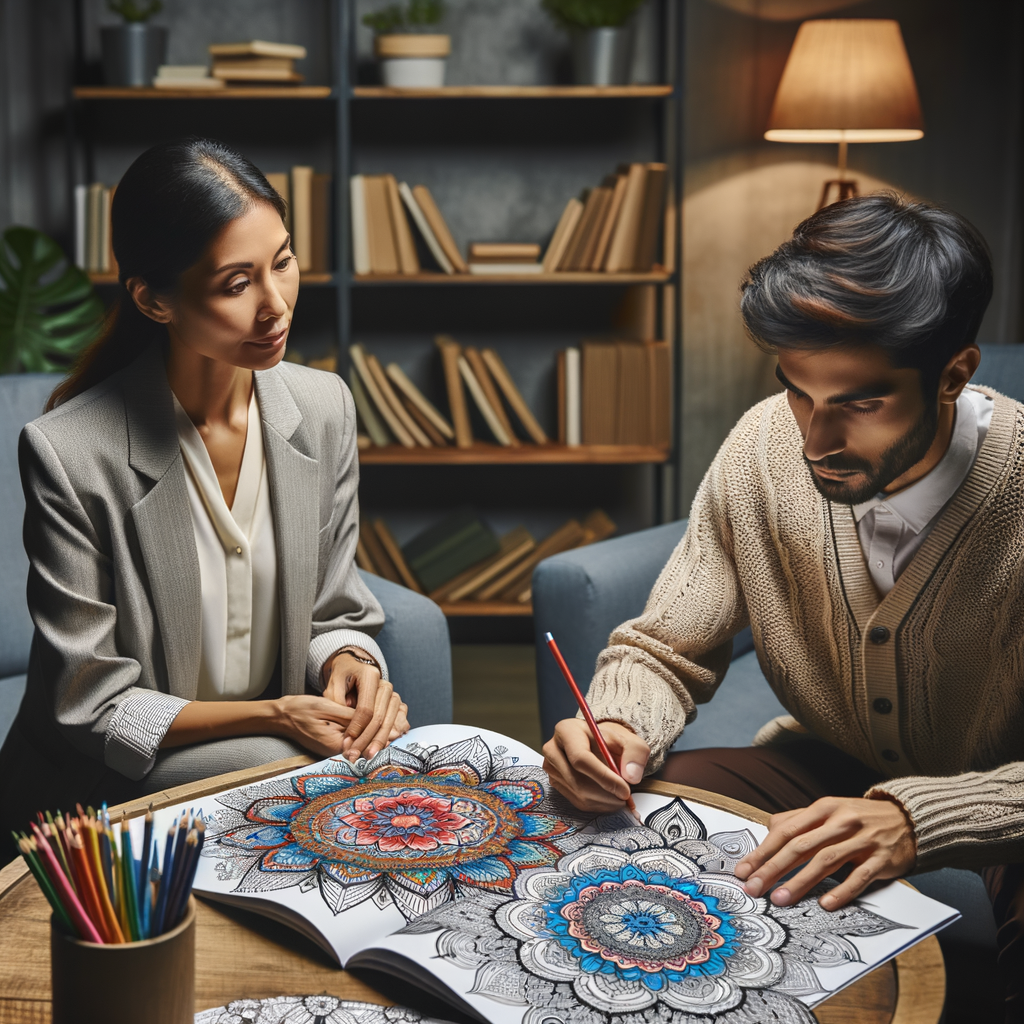
Why Therapists Are Recommending Coloring for Trauma Recovery
Table of Contents
Introduction
Therapists are increasingly recommending coloring as a therapeutic activity for individuals recovering from trauma. This recommendation is based on the understanding that coloring can provide a calming and meditative experience, which can help to reduce anxiety and stress levels. The act of coloring allows individuals to focus on the present moment, which can be particularly beneficial for those who have experienced trauma and may struggle with intrusive thoughts or flashbacks. Additionally, coloring can serve as a form of self-expression and creativity, allowing individuals to process their emotions in a non-verbal way. Overall, coloring is seen as a simple yet effective tool for promoting relaxation and emotional healing in trauma recovery.The Benefits of Coloring for Trauma Recovery
Coloring has long been considered a childhood pastime, but in recent years, it has gained popularity among adults as a therapeutic activity. Therapists are now recommending coloring as a tool for trauma recovery, and for good reason. The act of coloring has been found to have numerous benefits for individuals who have experienced trauma, and it can be a valuable addition to traditional therapy methods. One of the primary benefits of coloring for trauma recovery is its ability to promote mindfulness. Mindfulness is the practice of being present in the moment and fully engaged in the current activity. For individuals who have experienced trauma, it can be difficult to stay grounded in the present, as they may be plagued by intrusive thoughts and memories of the traumatic event. Coloring requires focus and concentration, which can help individuals stay present and reduce the impact of these intrusive thoughts. Coloring also provides a sense of control for individuals who have experienced trauma. Trauma can leave individuals feeling powerless and out of control, but coloring allows them to take charge of the creative process. They can choose the colors they want to use, the patterns they want to create, and the level of detail they want to include. This sense of control can be empowering and help individuals regain a sense of agency in their lives. In addition to promoting mindfulness and providing a sense of control, coloring can also be a form of self-care. Self-care is an important aspect of trauma recovery, as it allows individuals to take time for themselves and engage in activities that bring them joy and relaxation. Coloring can be a calming and meditative activity, and it can provide a much-needed break from the stress and anxiety that often accompany trauma. Coloring can also be a way for individuals to express themselves creatively. Trauma can leave individuals feeling disconnected from their emotions, and creative activities like coloring can help them reconnect with their feelings. The act of choosing colors and creating patterns can be a form of non-verbal communication, allowing individuals to express themselves in a way that feels safe and comfortable. Finally, coloring can be a social activity. Many individuals who have experienced trauma may feel isolated and disconnected from others. Coloring groups and clubs have become increasingly popular, and they can provide a supportive and non-judgmental environment for individuals to connect with others who have similar experiences. This sense of community can be an important part of the healing process. In conclusion, coloring is not just a childhood pastime, but a valuable tool for trauma recovery. It promotes mindfulness, provides a sense of control, offers a form of self-care, allows for creative expression, and can be a social activity. Therapists are recognizing the benefits of coloring and are incorporating it into their treatment plans for individuals who have experienced trauma. Whether used alone or in conjunction with traditional therapy methods, coloring can be a powerful tool for healing and recovery.How Coloring Can Help Reduce Stress and Anxiety in Trauma Survivors

Coloring has long been considered a childhood pastime, but in recent years, it has gained popularity among adults as a therapeutic activity. Therapists are now recommending coloring as a tool for trauma recovery, as it has been found to help reduce stress and anxiety in trauma survivors. Trauma can have a profound impact on an individual’s mental health, leading to symptoms such as anxiety, depression, and post-traumatic stress disorder (PTSD). Traditional therapy methods, such as talk therapy and medication, can be effective in treating these symptoms, but they may not work for everyone. Coloring offers an alternative approach that can be used in conjunction with other treatments or as a standalone therapy. One of the reasons coloring is effective in reducing stress and anxiety is that it allows individuals to focus on the present moment. Trauma survivors often struggle with intrusive thoughts and flashbacks, which can be overwhelming and difficult to manage. Coloring provides a distraction from these thoughts, allowing individuals to concentrate on the task at hand and find a sense of calm. Coloring also promotes mindfulness, which is the practice of being present and fully engaged in the current moment. Mindfulness has been shown to be effective in reducing symptoms of anxiety and depression, and coloring can be a simple and accessible way to practice mindfulness. By focusing on the colors, patterns, and shapes, individuals can become more aware of their thoughts and feelings, and learn to manage them in a healthy way. Another benefit of coloring is that it allows individuals to express themselves creatively. Trauma survivors may struggle to put their experiences into words, but coloring provides a non-verbal outlet for their emotions. By choosing colors and designs that resonate with them, individuals can communicate their feelings in a way that feels safe and comfortable. Coloring can also be a social activity, which can be beneficial for trauma survivors who may feel isolated or disconnected from others. Joining a coloring group or participating in a coloring workshop can provide a sense of community and support, which can be an important part of the healing process. In addition to its mental health benefits, coloring can also have physical benefits. The act of coloring requires fine motor skills and hand-eye coordination, which can help improve dexterity and coordination. Coloring can also be a relaxing activity, which can help lower heart rate and blood pressure, and reduce symptoms of stress and anxiety. Overall, coloring is a simple and accessible tool that can be used to support trauma recovery. It offers a range of benefits, from reducing stress and anxiety to promoting mindfulness and creativity. Therapists are recognizing the value of coloring as a therapeutic activity, and it is becoming an increasingly popular option for individuals seeking alternative methods of healing. Whether used on its own or in conjunction with other treatments, coloring can be a valuable addition to the recovery process for trauma survivors.





Comments