

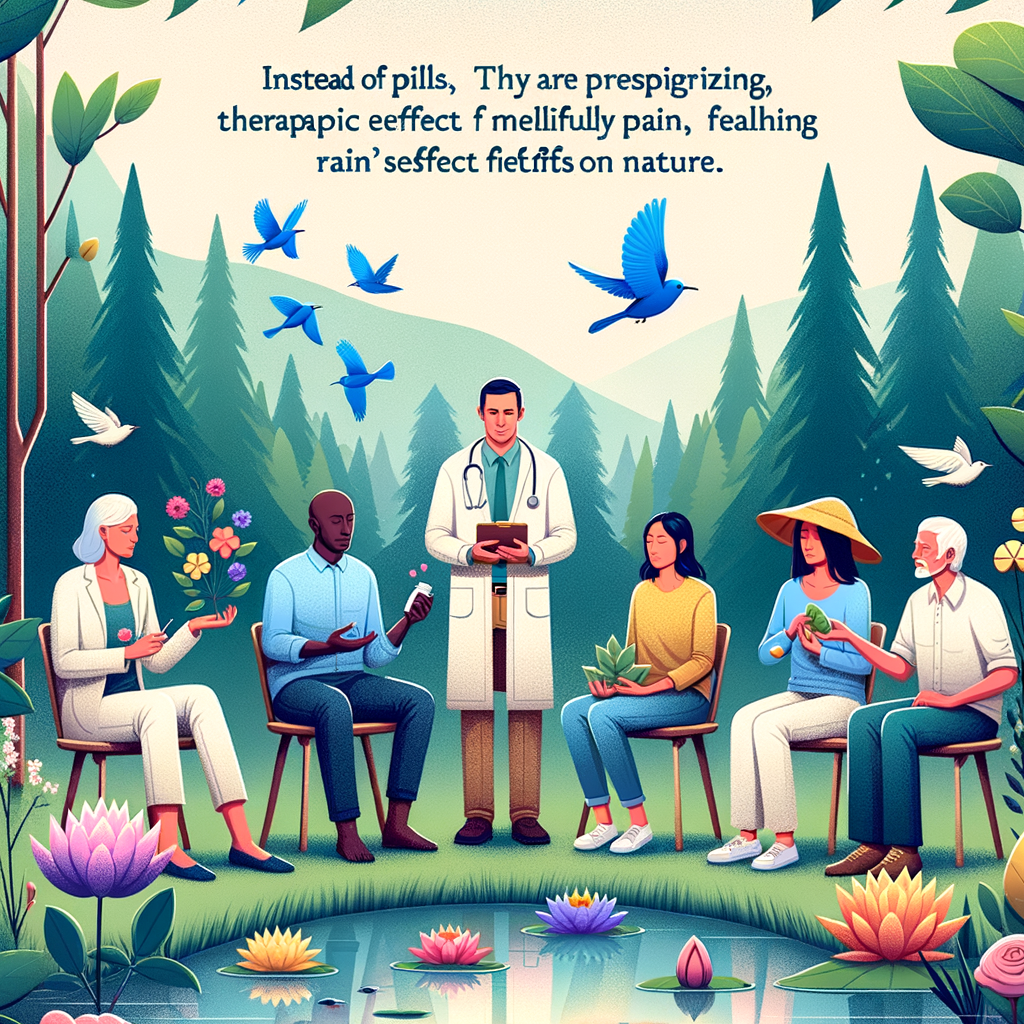
Why Therapists Are Prescribing Nature Instead of Pills
Table of Contents
Introduction
In recent years, there has been a growing trend among therapists to prescribe nature as a form of treatment for various mental health issues, instead of relying solely on medication. This shift towards ecotherapy, or nature therapy, is based on the idea that spending time in natural environments can have a profound impact on our mental and emotional well-being. Research has shown that exposure to nature can reduce stress, anxiety, and depression, and improve mood and cognitive function. As a result, therapists are increasingly recommending activities such as hiking, gardening, or simply spending time in a park as a complement to traditional therapy and medication. This approach not only offers a more holistic and sustainable form of treatment but also encourages individuals to reconnect with the natural world and reap the numerous benefits it has to offer.The Healing Power of Nature: Exploring the Benefits of Ecotherapy
In recent years, there has been a growing trend among therapists to prescribe nature instead of pills for their patients. This practice, known as ecotherapy, is based on the idea that spending time in nature can have a profound impact on our mental and emotional well-being. While traditional therapy and medication can be effective for many people, ecotherapy offers a natural and holistic approach to healing that is gaining popularity among both therapists and patients. One of the main reasons why therapists are prescribing nature instead of pills is because of the numerous benefits that nature provides. Studies have shown that spending time in nature can reduce stress, anxiety, and depression. It can also improve mood, increase energy levels, and boost overall mental health. Nature has a calming effect on the mind and body, and being in a natural environment can help people feel more grounded and connected to the world around them. Another reason why therapists are turning to ecotherapy is because of the growing concern about the overuse of medication. While medication can be an important part of treatment for some people, there is a growing awareness of the potential risks and side effects associated with long-term use of psychiatric drugs. Many people are looking for alternative ways to manage their mental health, and ecotherapy offers a safe and effective option. Ecotherapy can take many forms, from simply spending time in a park or garden to more structured activities like hiking, gardening, or nature-based therapy sessions. Some therapists even incorporate nature into their traditional therapy sessions, by holding sessions outdoors or incorporating nature-based activities into their treatment plans. The key is to find activities that allow patients to connect with nature in a way that feels meaningful and enjoyable to them. One of the most powerful aspects of ecotherapy is its ability to help people feel more connected to the world around them. In our fast-paced, technology-driven society, it’s easy to feel disconnected from nature and the natural rhythms of life. Ecotherapy can help people slow down, be present in the moment, and appreciate the beauty and wonder of the natural world. This can lead to a greater sense of purpose and fulfillment, and a deeper connection to oneself and others. In addition to the mental and emotional benefits, ecotherapy can also have physical health benefits. Spending time in nature has been shown to lower blood pressure, reduce inflammation, and boost the immune system. It can also improve sleep, increase physical activity, and promote overall health and well-being. Overall, the healing power of nature is undeniable, and therapists are increasingly recognizing the benefits of ecotherapy for their patients. Whether it’s a walk in the park, a hike in the mountains, or a session of nature-based therapy, spending time in nature can be a powerful tool for healing and growth. As more people seek out natural and holistic approaches to mental health, ecotherapy is likely to become an even more important part of the therapeutic landscape.Nature vs. Medication: Understanding the Shift Towards Natural Mental Health Treatments
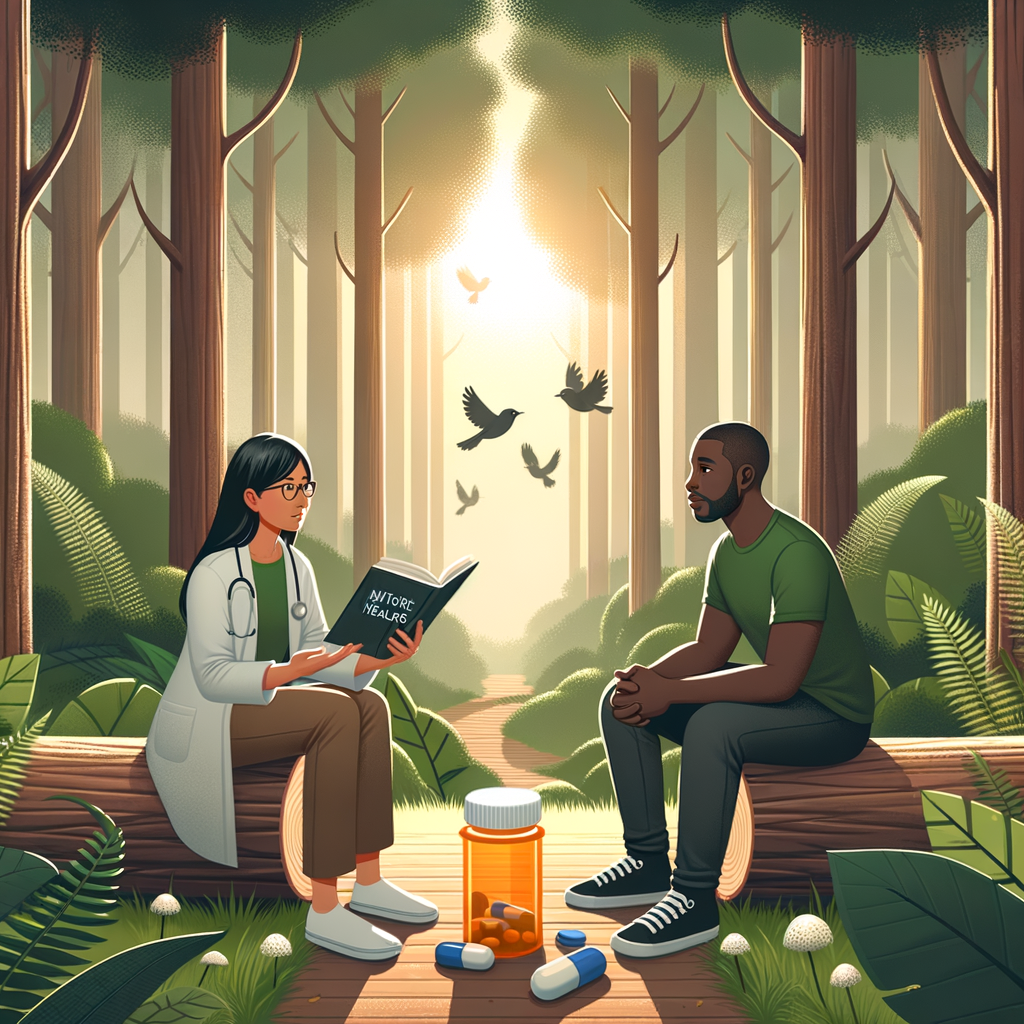
In recent years, there has been a growing trend among therapists to prescribe nature as a form of treatment for mental health issues, rather than relying solely on medication. This shift towards natural mental health treatments is rooted in a growing body of research that suggests that spending time in nature can have a profound impact on our mental well-being. One of the key reasons why therapists are turning to nature as a form of treatment is the growing concern over the side effects of medication. While medication can be an effective treatment for many mental health conditions, it can also come with a range of side effects, including weight gain, insomnia, and sexual dysfunction. In contrast, spending time in nature has been shown to have few, if any, negative side effects. Another reason for the shift towards natural treatments is the growing recognition of the importance of preventative care. Many mental health conditions, such as depression and anxiety, can be exacerbated by stress and a lack of physical activity. By encouraging patients to spend time in nature, therapists are helping them to reduce their stress levels and increase their physical activity, which can help to prevent the onset of mental health issues. The benefits of spending time in nature are well-documented. Research has shown that being in nature can reduce levels of the stress hormone cortisol, lower blood pressure, and improve mood. In one study, participants who spent time in a forest had lower levels of cortisol and reported feeling more relaxed and refreshed than those who spent time in an urban environment. Nature can also have a positive impact on our cognitive functioning. Studies have shown that spending time in nature can improve attention and memory, and can even increase creativity. This is thought to be due to the fact that nature provides a calming and restorative environment that allows our brains to recharge and refocus. In addition to the physical and cognitive benefits of spending time in nature, there is also a growing recognition of the spiritual and emotional benefits. Many people find that being in nature helps them to feel more connected to the world around them, and can provide a sense of peace and tranquility that is difficult to find in the hustle and bustle of modern life. Of course, it is important to note that nature is not a cure-all for mental health issues. For some people, medication may still be the most effective form of treatment. However, for many others, spending time in nature can be a valuable addition to their treatment plan. In conclusion, the shift towards natural mental health treatments is a reflection of a growing recognition of the importance of preventative care, the potential side effects of medication, and the many benefits of spending time in nature. As more and more therapists begin to prescribe nature as a form of treatment, it is likely that we will see a continued move away from medication and towards a more holistic approach to mental health care.





Comments