


Why Therapists Are Prescribing Juggling for Anxiety Relief
Table of Contents
Introduction
Therapists are increasingly prescribing juggling as a form of anxiety relief due to its numerous mental health benefits. Juggling requires focus, coordination, and mindfulness, which can help individuals redirect their attention away from anxious thoughts and towards the present moment. The repetitive motion and concentration needed to keep the balls in the air can induce a meditative state, promoting relaxation and reducing stress. Additionally, juggling provides a sense of accomplishment and can boost self-esteem, further contributing to its therapeutic effects for those struggling with anxiety.The Science Behind Juggling and Anxiety Relief
Juggling is an activity that has been around for centuries, and it has been used for entertainment purposes. However, recent studies have shown that juggling can also have therapeutic benefits, particularly for individuals who suffer from anxiety. Therapists are now prescribing juggling as a form of anxiety relief, and the science behind it is quite fascinating. Anxiety is a mental health disorder that affects millions of people worldwide. It is characterized by feelings of worry, nervousness, and fear that can interfere with daily activities. Traditional treatments for anxiety include therapy and medication, but these methods do not work for everyone. As a result, therapists are exploring alternative treatments, such as juggling, to help their patients manage their anxiety. Juggling is a complex activity that requires focus, coordination, and concentration. When a person is juggling, they must pay attention to the objects they are throwing and catching, which can help to distract them from their anxious thoughts. This distraction can provide a sense of relief and calmness, which can be beneficial for individuals with anxiety. Furthermore, juggling requires the use of both sides of the brain, which can help to improve cognitive function. When a person is juggling, they are using their visual, motor, and spatial skills, which can help to strengthen the connections between the two hemispheres of the brain. This can lead to improved mental clarity and a reduction in anxiety symptoms. In addition to the cognitive benefits, juggling can also have physical benefits. It is a form of exercise that can help to release endorphins, which are the body’s natural feel-good chemicals. Endorphins can help to reduce stress and anxiety, and they can also improve mood and overall well-being. Another reason why therapists are prescribing juggling for anxiety relief is that it is a low-cost and accessible activity. Unlike traditional treatments, such as therapy and medication, juggling does not require a significant financial investment. It can be done anywhere, at any time, and it does not require any special equipment. All a person needs are a few objects to juggle, such as balls or bean bags. Juggling can also be a social activity, which can be beneficial for individuals with anxiety. It can be done with friends or family members, which can help to build social connections and support networks. This can be particularly helpful for individuals who may feel isolated or disconnected due to their anxiety. In conclusion, juggling is a therapeutic activity that can provide relief for individuals with anxiety. It is a complex activity that requires focus, coordination, and concentration, which can help to distract from anxious thoughts. It also has cognitive and physical benefits, such as improved mental clarity and the release of endorphins. Additionally, it is a low-cost and accessible activity that can be done alone or with others. As a result, therapists are prescribing juggling as a form of anxiety relief, and the science behind it is clear. Juggling can be a valuable tool for managing anxiety and improving overall well-being.How Juggling Can Improve Mindfulness and Reduce Stress

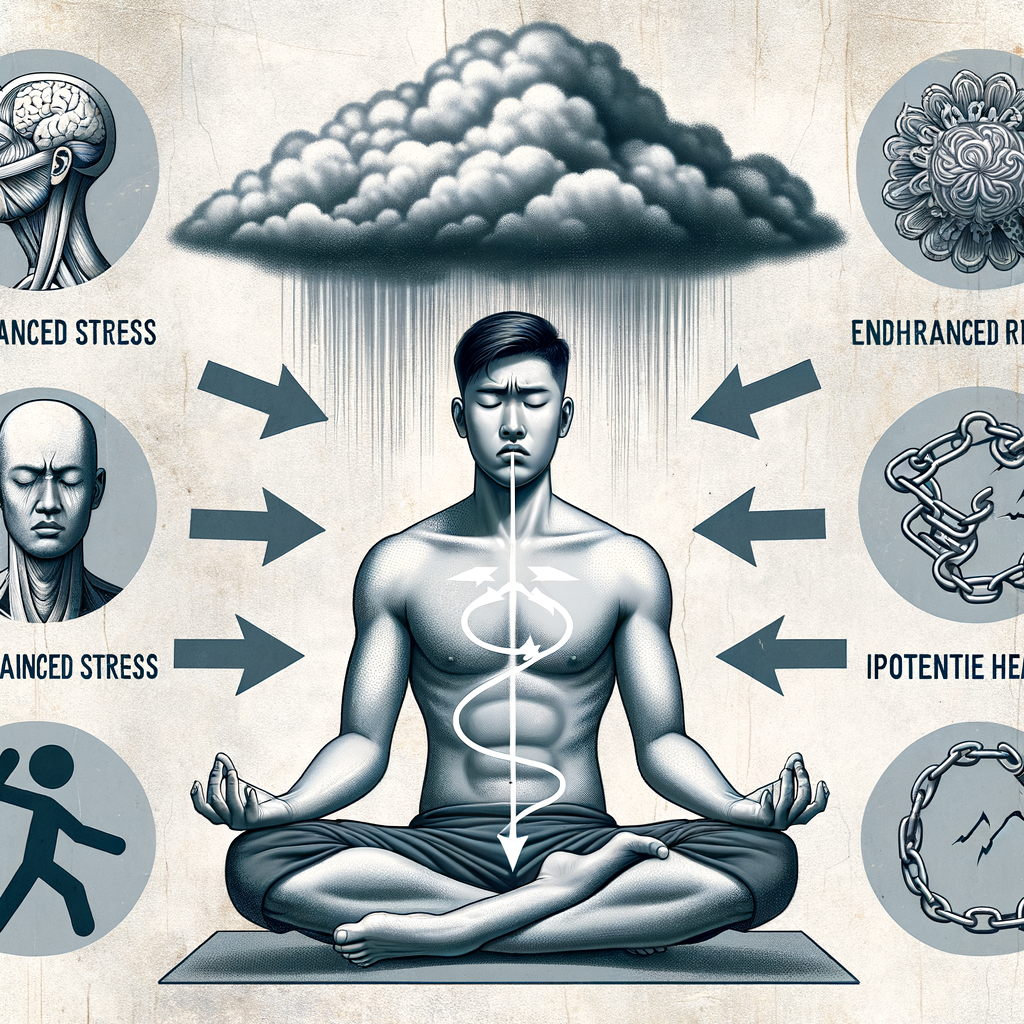
Juggling is an activity that has been around for centuries, and it has been used for entertainment purposes. However, in recent years, therapists have started prescribing juggling as a form of therapy for anxiety relief. This may seem like an unconventional approach, but there is a growing body of evidence that suggests that juggling can improve mindfulness and reduce stress. One of the reasons why juggling is effective in reducing anxiety is that it requires focus and concentration. When you are juggling, you need to be fully present in the moment, paying attention to the balls or objects you are juggling. This level of focus can help to quiet the mind and reduce the racing thoughts that often accompany anxiety. By focusing on the task at hand, you can temporarily forget about your worries and concerns, which can provide a much-needed break from the constant stress of everyday life. In addition to improving focus, juggling also requires coordination and balance. These physical skills can help to improve overall body awareness, which is an important aspect of mindfulness. When you are more aware of your body and how it moves, you can become more in tune with your physical sensations and emotions. This increased awareness can help you to better manage your stress and anxiety, as you become more attuned to the signals your body is sending you. Juggling also has a meditative quality to it. The repetitive motion of throwing and catching the balls can be soothing and calming, much like the repetitive motion of knitting or coloring. This meditative aspect of juggling can help to reduce stress and promote relaxation. As you become more skilled at juggling, you may find that you enter a state of flow, where you are completely absorbed in the activity and lose track of time. This state of flow is associated with reduced stress and increased feelings of well-being. Furthermore, juggling is a form of exercise, and exercise is well-known for its stress-reducing benefits. Physical activity can help to release endorphins, which are the body’s natural feel-good chemicals. These endorphins can help to improve mood and reduce feelings of anxiety. Juggling is a low-impact form of exercise that can be done indoors or outdoors, making it accessible to almost anyone. Finally, juggling can be a fun and enjoyable activity. It can provide a sense of accomplishment and boost self-esteem as you learn new skills and improve your abilities. This sense of achievement can be especially important for individuals who struggle with anxiety, as it can help to counteract feelings of inadequacy and self-doubt. In conclusion, juggling is not just a form of entertainment, but it can also be a valuable tool for reducing stress and anxiety. By improving focus, coordination, and body awareness, juggling can help to promote mindfulness and relaxation. The meditative quality of juggling, combined with the physical benefits of exercise, can make it an effective form of therapy for individuals who struggle with anxiety. So, the next time you are feeling stressed or anxious, consider picking up some juggling balls and giving it a try. You may be surprised at how much it can help.


Comments