

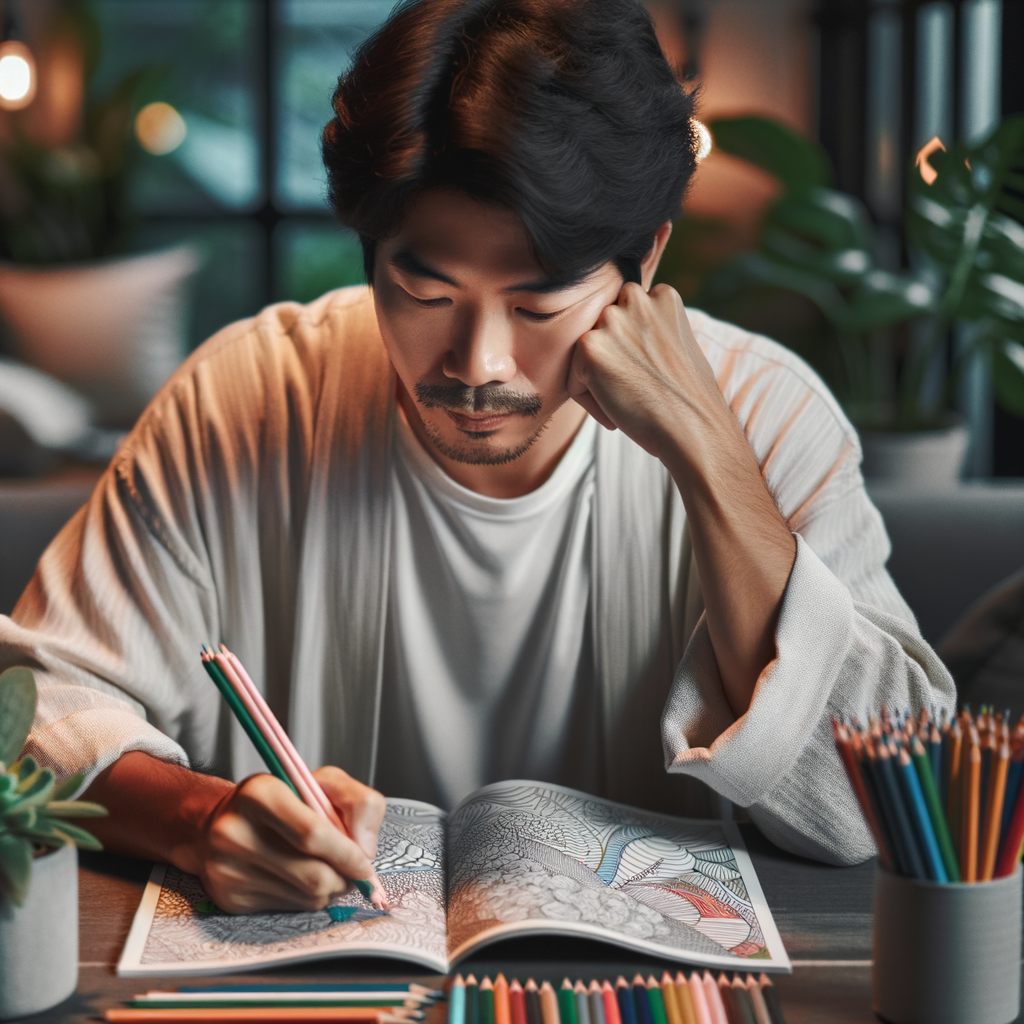
Why Therapists Are Prescribing Coloring Books for Anxiety
Table of Contents
Introduction
Therapists are increasingly prescribing coloring books for anxiety as a therapeutic tool to help individuals manage stress and improve mental health. Coloring has been found to have a calming effect on the mind, as it requires focus and concentration, which can distract from anxious thoughts. The repetitive motion of coloring can also be meditative and soothing, promoting relaxation and mindfulness. Additionally, the creative aspect of coloring allows for self-expression and can boost self-esteem. With the rise in popularity of adult coloring books, therapists are recognizing the benefits of this simple activity and incorporating it into treatment plans for those struggling with anxiety.The Science Behind Coloring and Stress Relief
Coloring books have long been associated with children’s activities, but in recent years, they have gained popularity among adults as a tool for stress relief and relaxation. Therapists are now prescribing coloring books for anxiety, and there is scientific evidence to support this practice. The act of coloring requires focus and concentration, which can help to distract the mind from anxious thoughts and worries. When we color, we are fully engaged in the present moment, which can help to quiet the mind and reduce feelings of anxiety. This is similar to the concept of mindfulness, which has been shown to be effective in reducing stress and anxiety. Coloring also allows for creativity and self-expression, which can be therapeutic for individuals dealing with anxiety. It provides an outlet for emotions and can help to boost self-esteem and confidence. The repetitive motion of coloring can also be soothing and calming, similar to the effects of meditation. Research has shown that coloring can reduce cortisol levels, which is the hormone associated with stress. A study published in the journal Art Therapy found that coloring mandalas, which are intricate geometric patterns, can significantly reduce anxiety levels. The study participants who colored mandalas reported feeling more relaxed and less anxious compared to those who simply colored on a blank piece of paper. Another study published in the Journal of the American Art Therapy Association found that coloring can activate the relaxation response in the brain, which is the opposite of the fight or flight response that is triggered by stress and anxiety. The relaxation response is associated with a decrease in heart rate, blood pressure, and muscle tension, which can help to alleviate symptoms of anxiety. Coloring can also be a form of mindfulness-based stress reduction (MBSR), which is a therapeutic approach that combines mindfulness meditation and yoga to reduce stress and anxiety. MBSR has been shown to be effective in reducing symptoms of anxiety and depression, and coloring can be a complementary practice to enhance the benefits of MBSR. In addition to the psychological benefits, coloring can also have physical benefits. The act of coloring can improve fine motor skills and hand-eye coordination, which can be beneficial for individuals with anxiety who may experience physical symptoms such as trembling or shaking. Overall, coloring can be a simple and accessible way to reduce stress and anxiety. It is a low-cost and low-risk activity that can be done anywhere and at any time. Therapists are recognizing the benefits of coloring and are incorporating it into their treatment plans for individuals with anxiety. In conclusion, coloring books are not just for children anymore. They have become a valuable tool for stress relief and relaxation for adults. The science behind coloring and stress relief supports the use of coloring books as a therapeutic intervention for anxiety. So next time you are feeling anxious, consider picking up a coloring book and some colored pencils, and let the colors and patterns soothe your mind and calm your nerves.How Coloring Books Can Improve Mindfulness and Focus
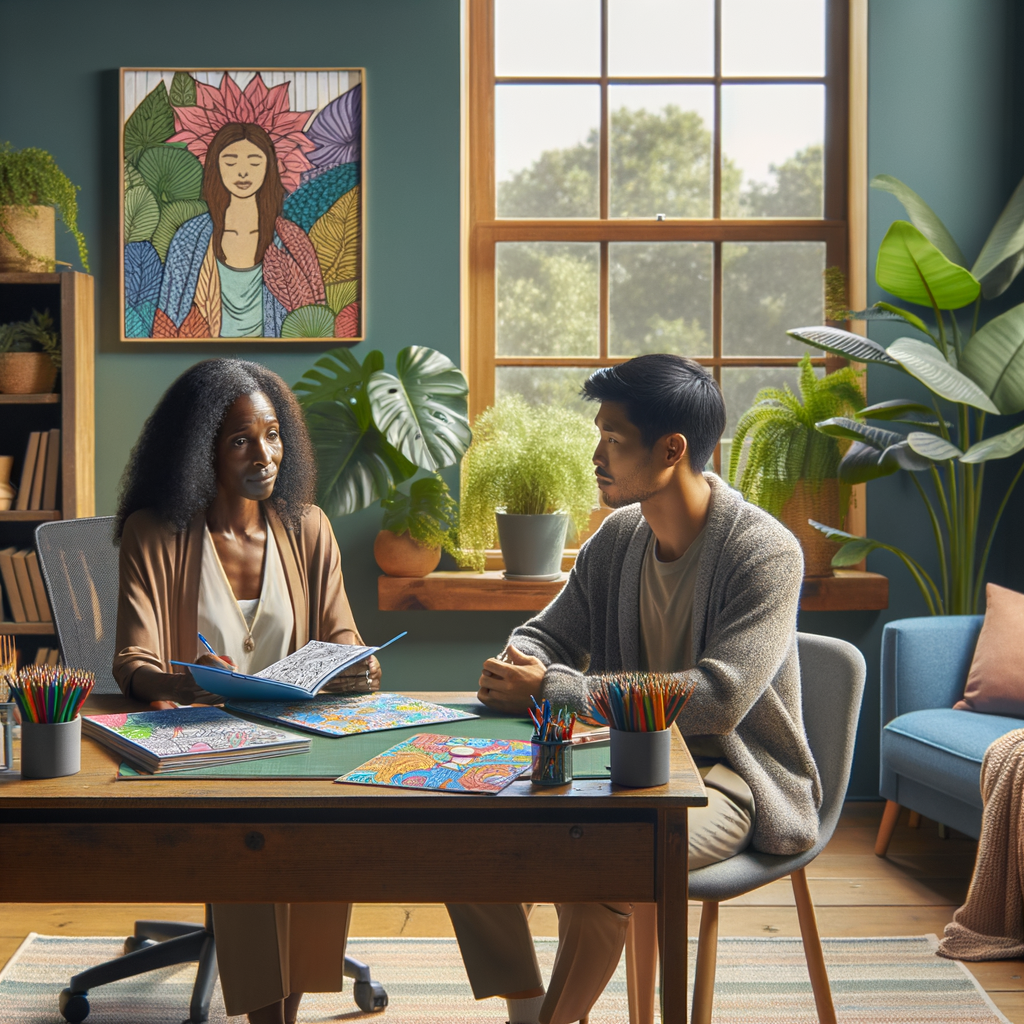
In recent years, coloring books have gained popularity among adults as a way to relax and unwind. But did you know that therapists are now prescribing coloring books for anxiety? It may seem like a simple activity, but coloring has been shown to have numerous benefits for mental health, particularly in improving mindfulness and focus. Mindfulness is the practice of being present in the moment and fully engaged with what you are doing. It is a technique often used in therapy to help individuals manage anxiety and stress. Coloring can be a form of mindfulness practice, as it requires concentration and attention to detail. When coloring, individuals are focused on the task at hand, which can help quiet the mind and reduce anxious thoughts. Coloring also allows individuals to express themselves creatively, which can be therapeutic in itself. The act of choosing colors and creating a beautiful image can provide a sense of accomplishment and boost self-esteem. It can also serve as a distraction from anxious thoughts, providing a temporary escape from the worries of everyday life. In addition to mindfulness, coloring can also improve focus. Anxiety often causes individuals to have racing thoughts and difficulty concentrating. Coloring requires attention to detail and the ability to stay within the lines, which can help train the brain to focus on one task at a time. This can be particularly helpful for individuals with attention-deficit/hyperactivity disorder (ADHD) who struggle with focus and concentration. Furthermore, coloring can be a form of meditation. The repetitive motion of coloring can be calming and meditative, allowing individuals to enter a state of flow where they are fully immersed in the activity. This can help reduce stress and anxiety, as well as improve overall well-being. Therapists may also use coloring as a way to facilitate communication with their clients. Coloring can be a non-threatening way to open up and discuss difficult emotions. It can also be used as a tool to explore thoughts and feelings, as the colors and images chosen by the individual may provide insight into their emotional state. Coloring books are also accessible and affordable, making them an easy addition to any self-care routine. They can be done alone or with others, making them a versatile tool for managing anxiety. Whether it’s a few minutes of coloring during a lunch break or a longer session at the end of the day, incorporating coloring into one’s routine can have a positive impact on mental health. In conclusion, coloring books are not just for children. They can be a valuable tool for managing anxiety and improving mindfulness and focus. Therapists are recognizing the benefits of coloring and are incorporating it into their treatment plans. So next time you’re feeling anxious, consider picking up a coloring book and letting your creativity flow. It may just be the stress-reliever you need.





Comments