

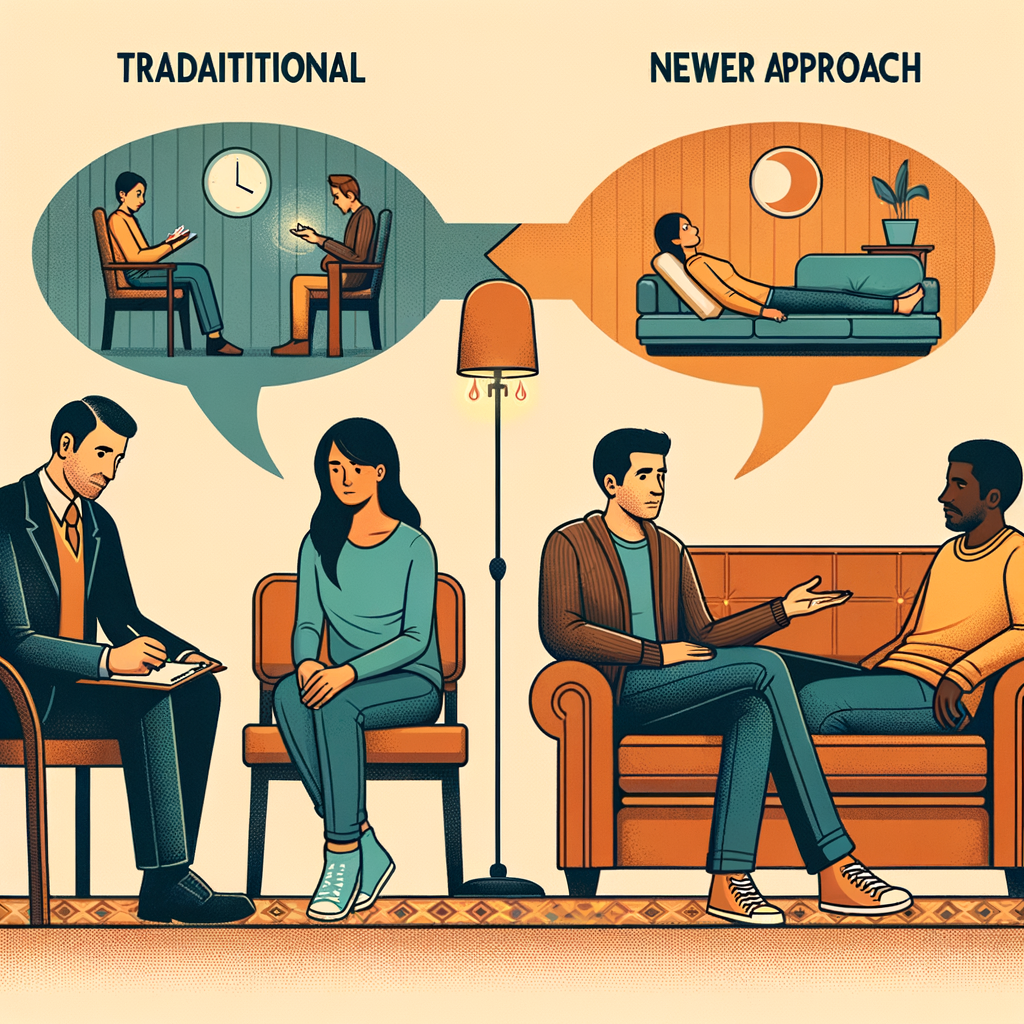
Why Therapists Are Ditching Traditional Methods for This Approach
Table of Contents
Introduction
Therapists are increasingly turning to alternative approaches to traditional methods due to the growing recognition of the limitations of conventional therapy. Traditional therapy often focuses on talk-based interventions, which may not be effective for all individuals. Alternative approaches, such as mindfulness-based therapy, somatic therapy, and art therapy, offer a more holistic and integrative approach to mental health treatment. These methods emphasize the mind-body connection and prioritize the individual’s unique experiences and needs. As a result, therapists are finding that these alternative approaches can lead to more profound and lasting changes for their clients.The Rise of Holistic Therapy: Why Therapists Are Embracing Alternative Approaches
Therapists are increasingly turning to holistic therapy as an alternative to traditional methods. This approach to mental health treatment is gaining popularity due to its focus on treating the whole person, rather than just the symptoms of a particular condition. Holistic therapy takes into account the physical, emotional, mental, and spiritual aspects of an individual’s well-being, and aims to create a balance between these elements. One of the reasons why therapists are embracing holistic therapy is because it offers a more personalized approach to treatment. Traditional methods often rely on a one-size-fits-all approach, which may not be effective for everyone. Holistic therapy, on the other hand, takes into consideration the unique needs and circumstances of each individual. This allows therapists to tailor their treatment plans to the specific needs of their clients, resulting in more effective outcomes. Another reason why holistic therapy is gaining popularity is that it addresses the root cause of mental health issues, rather than just the symptoms. Traditional methods often focus on managing symptoms through medication or talk therapy, but they may not address the underlying issues that are contributing to the problem. Holistic therapy, on the other hand, seeks to identify and address the root cause of the issue, which can lead to long-term healing and recovery. Holistic therapy also incorporates a variety of techniques and modalities, which can be beneficial for clients who may not respond well to traditional methods. These techniques may include mindfulness, meditation, yoga, acupuncture, and massage therapy, among others. By incorporating these alternative approaches, therapists can provide a more comprehensive treatment plan that addresses the needs of the whole person. Furthermore, holistic therapy emphasizes the importance of self-care and self-awareness. Traditional methods often focus on the therapist as the expert, with the client playing a passive role in their own treatment. Holistic therapy, on the other hand, encourages clients to take an active role in their own healing process. This can empower clients to take control of their mental health and make positive changes in their lives. Additionally, holistic therapy recognizes the connection between the mind and body, and the impact that physical health can have on mental health. Traditional methods often treat the mind and body as separate entities, but holistic therapy acknowledges that they are interconnected. By addressing both the physical and mental aspects of health, therapists can help clients achieve a greater sense of overall well-being. In conclusion, therapists are ditching traditional methods for holistic therapy because it offers a more personalized, comprehensive, and empowering approach to mental health treatment. By treating the whole person and addressing the root cause of issues, holistic therapy can lead to long-term healing and recovery. As more therapists embrace this approach, it is likely that we will see a continued rise in the popularity of holistic therapy in the years to come.The Benefits of Integrative Therapy: How Therapists Are Combining Techniques for Better Results

Therapists are increasingly turning to integrative therapy, a holistic approach that combines various techniques to address the complex needs of their clients. This approach is gaining popularity as it offers a more comprehensive and personalized treatment plan that can lead to better results. Traditional therapy methods, such as cognitive-behavioral therapy (CBT) or psychoanalysis, have been the go-to for many therapists for years. However, these methods can be limiting as they often focus on one aspect of a person’s mental health, such as their thoughts or behaviors. Integrative therapy, on the other hand, takes into account the whole person, including their physical, emotional, and spiritual well-being. One of the main benefits of integrative therapy is that it allows therapists to tailor their approach to the individual needs of their clients. For example, a therapist may use CBT to help a client challenge negative thought patterns, while also incorporating mindfulness techniques to help them manage stress and anxiety. This personalized approach can lead to more effective treatment outcomes as it addresses the root causes of a person’s mental health issues, rather than just the symptoms. Another advantage of integrative therapy is that it can be more flexible and adaptable than traditional methods. Therapists can draw from a wide range of techniques, such as art therapy, hypnotherapy, or somatic therapy, to find the best fit for their clients. This flexibility allows therapists to be more creative in their approach and to adjust their treatment plan as needed. Integrative therapy also recognizes the importance of the therapeutic relationship. By building a strong rapport with their clients, therapists can create a safe and supportive environment where clients feel comfortable exploring their thoughts and feelings. This relationship is crucial for the success of therapy, as it allows clients to be more open and honest about their struggles. Furthermore, integrative therapy takes a holistic view of mental health, acknowledging the interconnectedness of the mind, body, and spirit. This approach recognizes that mental health issues can be influenced by a variety of factors, such as physical health, lifestyle, and social support. By addressing these factors, therapists can help their clients achieve a greater sense of overall well-being. In conclusion, integrative therapy offers a more comprehensive and personalized approach to mental health treatment. By combining various techniques, therapists can address the complex needs of their clients and achieve better results. This approach is also more flexible and adaptable, allowing therapists to be more creative in their treatment plans. Additionally, integrative therapy emphasizes the importance of the therapeutic relationship and takes a holistic view of mental health. As more therapists ditch traditional methods for this approach, we can expect to see continued improvements in the field of mental health treatment.





Comments