

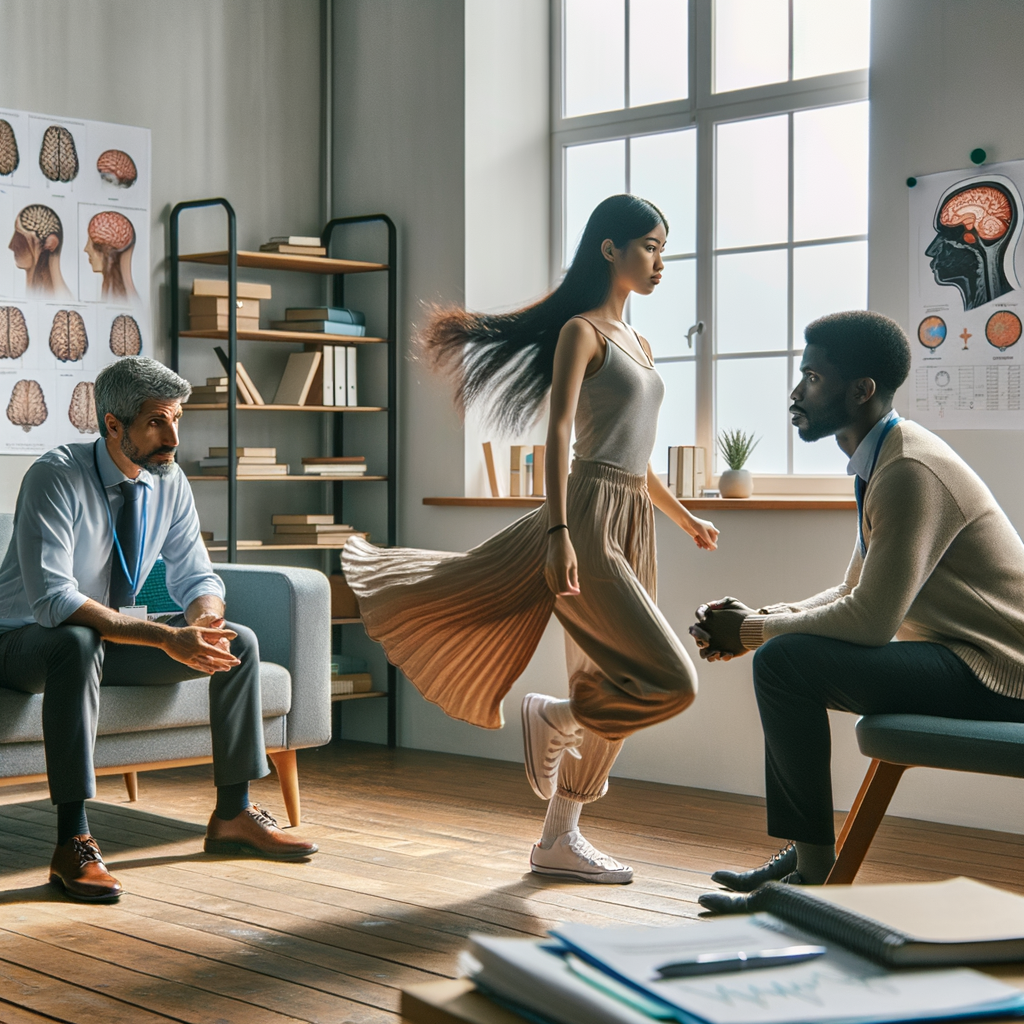
Why Psychologists Are Turning to Dance for Breakthrough Treatments
Table of Contents
Introduction
Psychologists are increasingly turning to dance as a form of breakthrough treatment for a variety of mental health issues. Dance therapy, also known as movement therapy, is a type of psychotherapy that uses movement and dance to help individuals achieve emotional, cognitive, and physical integration. This form of therapy is based on the idea that the body and mind are interconnected, and that movement can be a powerful tool for healing and self-expression. Research has shown that dance therapy can be effective in treating conditions such as depression, anxiety, and trauma, as well as improving overall well-being and quality of life. As a result, more and more psychologists are incorporating dance into their treatment plans to help their clients achieve better mental health outcomes.The Healing Power of Movement: Dance Therapy in Psychological Treatment
Dance has long been recognized as a powerful form of expression, capable of conveying emotions and telling stories without the need for words. But in recent years, psychologists have begun to explore the potential of dance as a therapeutic tool, using it to help individuals cope with a range of psychological issues. This emerging field, known as dance therapy, is based on the idea that movement can be a powerful way to access and process emotions, and that by engaging in dance, individuals can achieve a greater sense of well-being. One of the key reasons why psychologists are turning to dance therapy is its ability to help individuals connect with their bodies. In a society that often prioritizes the mind over the body, many people become disconnected from their physical selves, leading to a range of psychological issues. Dance therapy encourages individuals to become more aware of their bodies, to move in ways that feel natural and expressive, and to use movement as a way to explore and express their emotions. This can be particularly beneficial for individuals who struggle to articulate their feelings verbally, as dance provides an alternative means of communication. Another reason why dance therapy is gaining popularity is its ability to promote mindfulness. Mindfulness, or the practice of being present in the moment, has been shown to have a range of psychological benefits, including reducing stress and anxiety, improving mood, and increasing self-awareness. Dance therapy encourages individuals to focus on their movements, to pay attention to the sensations in their bodies, and to be fully present in the moment. This can help individuals to develop a greater sense of mindfulness, which can have a positive impact on their mental health. Dance therapy can also be a powerful tool for building self-esteem and confidence. Many individuals who struggle with psychological issues have low self-esteem, and may feel disconnected from their bodies. Dance therapy can help individuals to develop a more positive relationship with their bodies, to feel more confident in their movements, and to develop a greater sense of self-worth. This can be particularly beneficial for individuals who have experienced trauma, as dance therapy can provide a safe and supportive space for them to explore and process their emotions. Finally, dance therapy can be an effective way to promote social connection. Many psychological issues, such as depression and anxiety, can lead to social isolation, as individuals may withdraw from social activities and relationships. Dance therapy can provide a supportive and non-judgmental environment where individuals can connect with others, share their experiences, and build supportive relationships. This can be particularly beneficial for individuals who struggle with social anxiety, as dance therapy can provide a structured and supportive environment where they can practice social skills and build confidence. In conclusion, dance therapy is an emerging field that offers a range of benefits for individuals struggling with psychological issues. By encouraging individuals to connect with their bodies, promoting mindfulness, building self-esteem and confidence, and promoting social connection, dance therapy can be a powerful tool for achieving psychological well-being. As more psychologists turn to dance as a therapeutic tool, it is likely that we will see an increasing number of individuals experiencing the healing power of movement.Beyond Talk Therapy: How Dance is Revolutionizing Mental Health Care
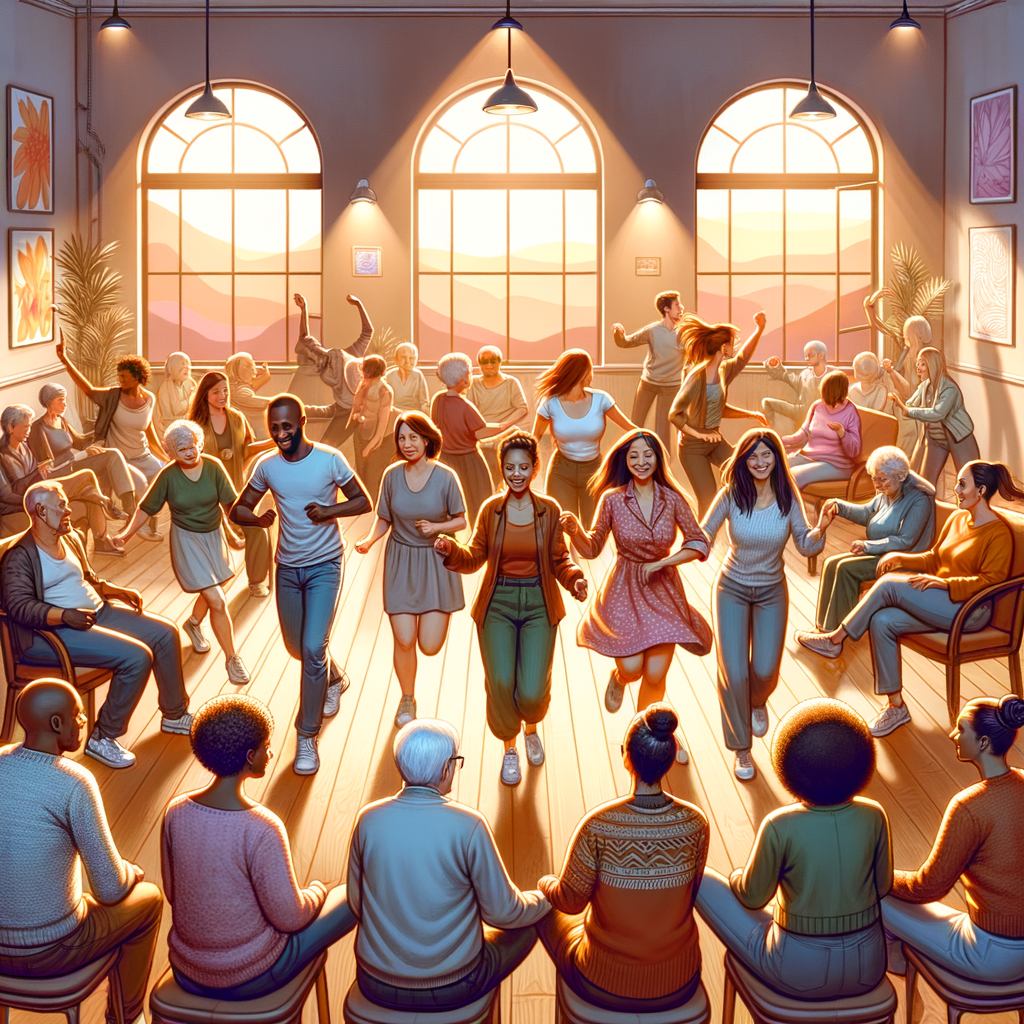
Dance has long been recognized as a form of artistic expression, but in recent years, psychologists have begun to explore its potential as a therapeutic tool. As mental health professionals seek new and innovative ways to treat their patients, dance is emerging as a promising alternative to traditional talk therapy. This shift towards incorporating movement into mental health care is revolutionizing the field, offering new hope to those who may not respond to conventional treatments. One of the reasons psychologists are turning to dance is its ability to access emotions that may be difficult to articulate verbally. For many individuals, trauma and other psychological issues are stored in the body, manifesting as physical tension or discomfort. Dance provides a way to release these emotions through movement, allowing patients to process their experiences in a non-verbal way. This can be particularly beneficial for those who struggle to express themselves verbally, such as children or individuals with communication disorders. Another advantage of dance therapy is its ability to promote mindfulness and self-awareness. As patients move their bodies, they become more attuned to their physical sensations and emotions. This heightened awareness can help them develop a deeper understanding of their mental health issues and identify triggers that may exacerbate their symptoms. By learning to recognize these patterns, patients can develop coping strategies to manage their mental health more effectively. Dance also offers a unique opportunity for social connection and support. Group dance therapy sessions provide a safe and supportive environment where individuals can connect with others who share similar experiences. This sense of community can be incredibly healing, helping patients feel less isolated and more understood. Additionally, the collaborative nature of dance allows patients to work together, building trust and fostering a sense of belonging. Research has also shown that dance can have a positive impact on mood and overall well-being. The physical activity involved in dance releases endorphins, the body’s natural feel-good chemicals, which can help reduce symptoms of depression and anxiety. Furthermore, the rhythmic nature of dance can have a calming effect on the nervous system, helping to regulate stress and promote relaxation. Despite its many benefits, dance therapy is not without its challenges. One of the biggest obstacles is the stigma surrounding mental health and the arts. Many people still view dance as a purely recreational activity, rather than a legitimate form of treatment. This can make it difficult for patients to access dance therapy, as it may not be covered by insurance or offered in traditional mental health settings. However, as more research emerges on the effectiveness of dance therapy, attitudes are beginning to shift. Mental health professionals are increasingly recognizing the value of incorporating movement into their practice, and patients are seeking out alternative treatments that offer a more holistic approach to healing. With its ability to address both the physical and emotional aspects of mental health, dance is poised to become a breakthrough treatment in the field. In conclusion, the incorporation of dance into mental health care is a promising development that offers new hope to those seeking treatment. By providing a non-verbal outlet for emotions, promoting mindfulness and self-awareness, and fostering social connection, dance therapy has the potential to revolutionize the way we approach mental health. As psychologists continue to explore the benefits of movement, dance may soon become a standard part of the mental health care toolkit.





Comments