


Why Psychologists Are Recommending Forest Bathing for Burnout
Table of Contents
Introduction
Forest bathing, also known as shinrin-yoku, is a practice that originated in Japan and involves immersing oneself in nature, specifically in a forest environment. Psychologists are recommending forest bathing for burnout because it has been shown to have numerous mental health benefits. Studies have found that spending time in nature can reduce stress, anxiety, and depression, as well as improve mood and cognitive function. Forest bathing can also help individuals disconnect from technology and the demands of daily life, allowing them to relax and recharge. With the increasing prevalence of burnout in today’s fast-paced society, forest bathing offers a natural and accessible way to promote mental well-being and prevent burnout.The Science Behind Forest Bathing and Its Impact on Mental Health
Forest bathing, also known as shinrin-yoku, is a Japanese practice that involves immersing oneself in nature, specifically in a forest environment. The practice has gained popularity in recent years, and for good reason. Psychologists are now recommending forest bathing as a way to combat burnout, a condition that affects many people in today’s fast-paced world. Burnout is a state of physical, emotional, and mental exhaustion caused by prolonged stress. It can lead to a lack of motivation, decreased productivity, and even depression. With the demands of modern life, it’s no wonder that more and more people are experiencing burnout. However, research has shown that spending time in nature can have a positive impact on mental health, and forest bathing is one way to reap those benefits. The science behind forest bathing is rooted in the idea that nature has a calming effect on the mind and body. Studies have shown that spending time in a forest can reduce stress hormones, lower blood pressure, and improve mood. One study conducted in Japan found that participants who spent time in a forest had lower levels of cortisol, a stress hormone, compared to those who spent time in an urban environment. Another study found that forest bathing can increase the activity of natural killer cells, which are part of the immune system and help fight off infections and cancer. The benefits of forest bathing go beyond just reducing stress. It can also improve focus and concentration, increase energy levels, and boost creativity. In a world where we are constantly bombarded with distractions and information, taking the time to disconnect and immerse oneself in nature can be incredibly rejuvenating. So how does one practice forest bathing? It’s simple. Find a forest or natural area and spend time there without any distractions. Leave your phone and other electronic devices behind, and focus on the sights, sounds, and smells of the forest. Take a leisurely walk, sit and meditate, or simply observe the nature around you. The key is to be present and mindful of the experience. While forest bathing may seem like a simple concept, its impact on mental health should not be underestimated. In a society where mental health issues are on the rise, finding ways to combat stress and improve well-being is more important than ever. Forest bathing offers a natural and accessible way to do just that. In conclusion, psychologists are recommending forest bathing as a way to combat burnout and improve mental health. The science behind the practice shows that spending time in nature can have a positive impact on stress levels, mood, and overall well-being. So next time you’re feeling overwhelmed or burnt out, consider taking a break and immersing yourself in the calming environment of a forest. It may just be the remedy you need.How Forest Bathing Can Reduce Stress and Prevent Burnout
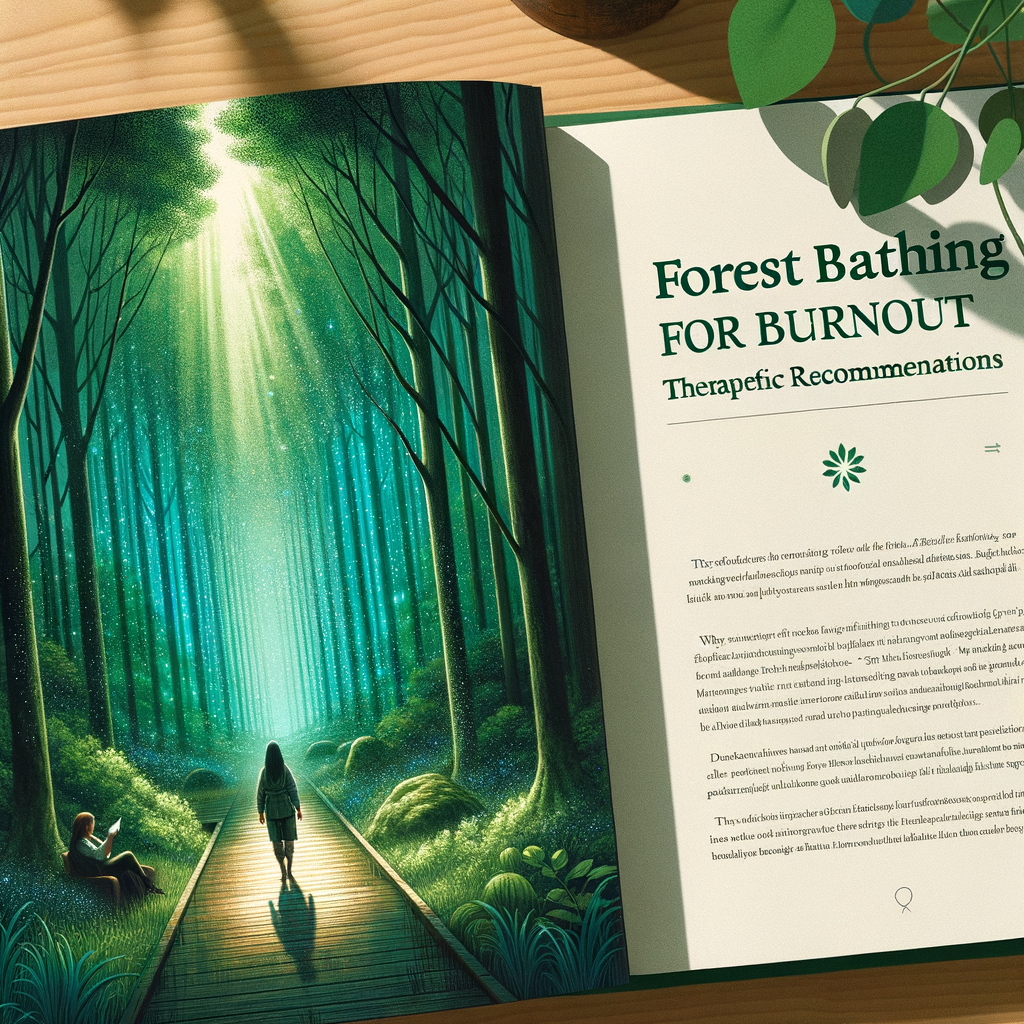
In recent years, the concept of forest bathing, also known as shinrin-yoku, has gained popularity as a way to reduce stress and prevent burnout. Psychologists are now recommending this practice as a way to improve mental health and well-being. Forest bathing originated in Japan in the 1980s and involves spending time in nature, specifically in forests, to promote relaxation and reduce stress. The idea behind forest bathing is that being in nature can have a calming effect on the mind and body. Research has shown that spending time in nature can lower cortisol levels, which is the hormone associated with stress. Additionally, being in nature can also reduce blood pressure and heart rate, which are both indicators of stress. Forest bathing can also improve mood and increase feelings of happiness and well-being. One of the reasons why forest bathing is so effective in reducing stress is because it allows individuals to disconnect from the demands of daily life. In today’s fast-paced world, it can be difficult to find time to relax and unwind. However, spending time in nature provides an opportunity to disconnect from technology and the pressures of work and other responsibilities. This can help individuals to recharge and feel more energized. Another reason why forest bathing is beneficial for mental health is that it allows individuals to connect with nature. Research has shown that being in nature can increase feelings of awe and wonder, which can have a positive impact on mental health. Additionally, being in nature can also increase feelings of gratitude and appreciation for the natural world. This can help individuals to feel more connected to something larger than themselves, which can be a powerful antidote to stress and burnout. Forest bathing can also be a form of mindfulness practice. Mindfulness involves paying attention to the present moment without judgment. When individuals practice forest bathing, they can focus on the sights, sounds, and smells of the forest, which can help them to be more present and mindful. This can help to reduce stress and prevent burnout by allowing individuals to take a break from their thoughts and worries. In addition to the mental health benefits, forest bathing can also have physical health benefits. Spending time in nature can boost the immune system, which can help to prevent illness. Additionally, being in nature can also increase physical activity, which can have a positive impact on overall health and well-being. Overall, forest bathing is a simple and effective way to reduce stress and prevent burnout. It allows individuals to disconnect from the demands of daily life, connect with nature, and practice mindfulness. Psychologists are now recommending this practice as a way to improve mental health and well-being. So, the next time you’re feeling stressed or burned out, consider taking a walk in the forest and experience the benefits of forest bathing for yourself.





Comments