

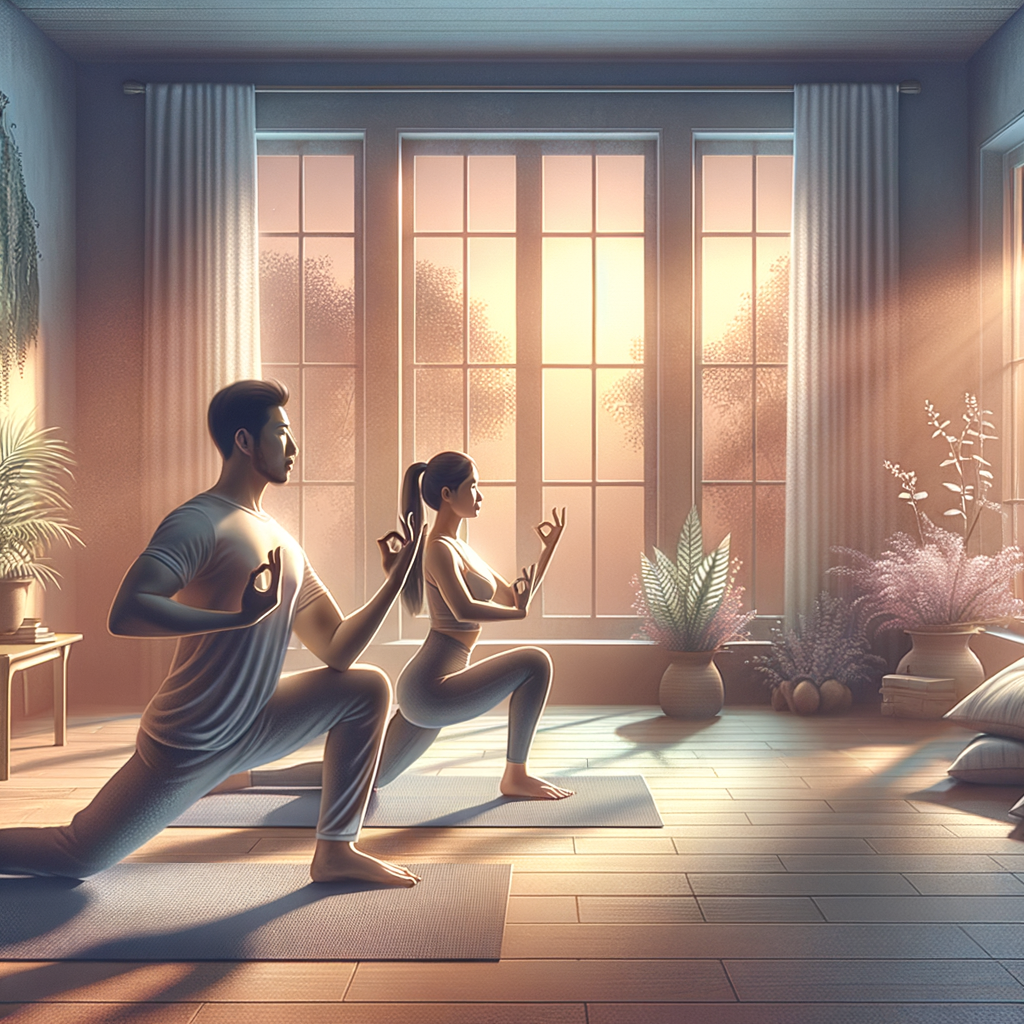
Vinyasa Flow: Synchronizing Breath and Movement for Inner Harmony
Table of Contents
Introduction
Vinyasa Flow is a dynamic style of yoga that emphasizes the synchronization of breath and movement to create a seamless and harmonious flow of postures. This practice focuses on linking each movement with an inhale or exhale, allowing practitioners to cultivate a deeper connection between their body and mind. Vinyasa Flow encourages mindfulness, fluidity, and grace, as well as the development of strength, flexibility, and inner balance. Through the continuous flow of poses, individuals can experience a moving meditation that promotes physical and mental well-being.The Benefits of Vinyasa Flow: How Synchronizing Breath and Movement Can Enhance Your Yoga Practice
Vinyasa Flow is a dynamic style of yoga that has gained popularity in recent years for its ability to synchronize breath and movement, creating a seamless and meditative flow. This practice is not only a physical workout but also a mental and spiritual journey that can lead to inner harmony and balance. The word “vinyasa” is derived from the Sanskrit term “nyasa,” which means “to place,” and “vi,” which means “in a special way.” This perfectly describes the essence of Vinyasa Flow, where each movement is intentionally placed and linked with the breath. The practice involves a series of poses that are connected through breath-synchronized movements, creating a continuous flow of energy throughout the body. One of the primary benefits of Vinyasa Flow is the emphasis on breath control. By focusing on the breath, practitioners can quiet the mind and enter a meditative state. This deep breathing also increases oxygen flow to the brain and muscles, improving overall health and well-being. The synchronization of breath and movement also helps to build heat in the body, which can aid in detoxification and increase flexibility. Another advantage of Vinyasa Flow is its adaptability. The practice can be modified to suit any level of practitioner, from beginner to advanced. This makes it an inclusive and accessible form of yoga for all. Additionally, the fluid nature of the practice allows for creativity and variety, ensuring that no two classes are the same. This keeps the practice fresh and engaging, encouraging practitioners to return to their mats time and time again. Vinyasa Flow also offers a full-body workout. The continuous movement and transitions between poses help to build strength and endurance. The practice targets all major muscle groups, including the core, arms, legs, and back. This can lead to improved muscle tone, posture, and overall physical health. The mental benefits of Vinyasa Flow are also significant. The practice encourages mindfulness and self-awareness, as practitioners must stay present and focused on their breath and movements. This can lead to reduced stress and anxiety, as well as improved concentration and mental clarity. The meditative aspect of the practice can also promote a sense of inner peace and calm. In addition to the physical and mental benefits, Vinyasa Flow can also have a positive impact on emotional well-being. The practice encourages self-expression and creativity, allowing practitioners to explore their emotions and release any pent-up feelings. This can lead to improved emotional regulation and a greater sense of self-acceptance and self-love. In conclusion, Vinyasa Flow is a powerful and transformative practice that can enhance your yoga experience. By synchronizing breath and movement, practitioners can achieve inner harmony and balance. The practice offers a range of benefits, from improved physical health to mental clarity and emotional well-being. Whether you are new to yoga or a seasoned practitioner, Vinyasa Flow is a practice that can be adapted to suit your needs and help you on your journey towards a more balanced and harmonious life.Exploring the Connection Between Breath and Movement in Vinyasa Flow Yoga

Vinyasa Flow is a dynamic style of yoga that emphasizes the synchronization of breath and movement. This practice is designed to create a sense of inner harmony and balance, as the practitioner moves through a series of postures in a fluid and continuous manner. The word “vinyasa” itself means “to place in a special way,” and in the context of yoga, it refers to the careful coordination of breath and movement. The practice of Vinyasa Flow is rooted in the ancient tradition of Ashtanga Yoga, which was developed by the Indian sage Patanjali. Ashtanga Yoga is a system of eight limbs, or practices, that are designed to lead the practitioner to a state of inner peace and enlightenment. Vinyasa Flow is a modern adaptation of this ancient practice, and it has become increasingly popular in the West due to its dynamic and challenging nature. One of the key principles of Vinyasa Flow is the use of the breath as a guide for movement. In this practice, each movement is initiated by an inhalation or exhalation, and the breath is used to create a sense of rhythm and flow. The breath is also used as a tool for focusing the mind and bringing awareness to the present moment. By synchronizing breath and movement, the practitioner is able to create a sense of harmony and balance within the body and mind. The practice of Vinyasa Flow is also characterized by its emphasis on fluidity and grace. The postures are linked together in a seamless sequence, and the transitions between poses are smooth and flowing. This creates a sense of continuity and ease, as the practitioner moves from one posture to the next. The fluidity of the practice also helps to build strength and flexibility, as the body is constantly moving and adapting to new positions. In addition to its physical benefits, Vinyasa Flow also has a profound impact on the mind and spirit. The practice encourages the practitioner to let go of distractions and focus on the present moment. This can lead to a sense of inner peace and clarity, as the mind becomes still and the breath becomes steady. The practice also promotes a sense of self-awareness and self-acceptance, as the practitioner learns to listen to their body and honor its limitations. Overall, Vinyasa Flow is a powerful practice that can help individuals achieve a sense of inner harmony and balance. By synchronizing breath and movement, the practitioner is able to create a sense of flow and ease within the body and mind. This practice is also a great way to build strength and flexibility, as well as to cultivate a sense of mindfulness and self-awareness. Whether you are a seasoned yogi or a beginner, Vinyasa Flow is a practice that can be adapted to suit your individual needs and abilities. So why not give it a try and experience the transformative power of breath and movement for yourself?





Comments