


Unlock the Power of Your Breath with Box Breathing
Table of Contents
Introduction
Box breathing, also known as square breathing, is a powerful and simple relaxation technique that can help to reduce stress, improve concentration, and enhance overall well-being. This breathing exercise involves inhaling, holding, exhaling, and holding the breath, all for equal counts, creating a “box” pattern. By focusing on the breath and controlling its pace, box breathing can help to calm the mind, lower heart rate, and unlock the power of your breath to bring about a sense of tranquility and balance. Whether you’re a busy professional, a student, or anyone looking to manage stress and improve focus, box breathing is an accessible and effective tool to add to your self-care routine.The Science Behind Box Breathing and Its Benefits
Unlock the Power of Your Breath with Box Breathing Breathing is an essential function of the human body, yet many of us take it for granted. We often breathe shallowly and rapidly, which can lead to increased stress and anxiety levels. However, by practicing a simple technique called box breathing, we can unlock the power of our breath and experience a multitude of benefits. Box breathing, also known as square breathing or four-square breathing, is a technique that involves inhaling, holding, exhaling, and holding the breath for equal counts. Typically, this is done for a count of four, but it can be adjusted to suit individual needs. This technique has been used by Navy SEALs, athletes, and yogis alike to improve focus, reduce stress, and increase overall well-being. The science behind box breathing is rooted in the autonomic nervous system, which controls involuntary bodily functions such as heart rate and digestion. This system is divided into two branches: the sympathetic nervous system, which is responsible for the body’s “fight or flight” response, and the parasympathetic nervous system, which is responsible for the body’s “rest and digest” response. When we are stressed, the sympathetic nervous system is activated, leading to increased heart rate, shallow breathing, and a release of stress hormones. By practicing box breathing, we can activate the parasympathetic nervous system, which slows down the heart rate, deepens the breath, and promotes a sense of calm. One of the key benefits of box breathing is its ability to reduce stress and anxiety. When we are stressed, our breathing becomes shallow and rapid, which can exacerbate feelings of anxiety. By slowing down the breath and focusing on the count, we can interrupt the stress response and bring the body back to a state of balance. This can be particularly helpful in high-pressure situations, such as before a big presentation or during a difficult conversation. In addition to reducing stress, box breathing can also improve focus and concentration. By bringing our attention to the breath, we can quiet the mind and improve our ability to concentrate on the task at hand. This can be especially beneficial for those who struggle with attention-deficit disorders or have trouble staying focused in a world full of distractions. Furthermore, box breathing can also improve physical health. Deep breathing has been shown to lower blood pressure, improve digestion, and boost the immune system. By practicing box breathing regularly, we can improve our overall health and well-being. In conclusion, box breathing is a simple yet powerful technique that can unlock the power of our breath. By practicing this technique regularly, we can reduce stress and anxiety, improve focus and concentration, and enhance our physical health. Whether you are a busy professional, a student, or simply looking to improve your well-being, box breathing is a tool that can be easily incorporated into your daily routine. So take a moment to breathe deeply, count to four, and unlock the power of your breath with box breathing.How to Practice Box Breathing for Stress Relief and Focus
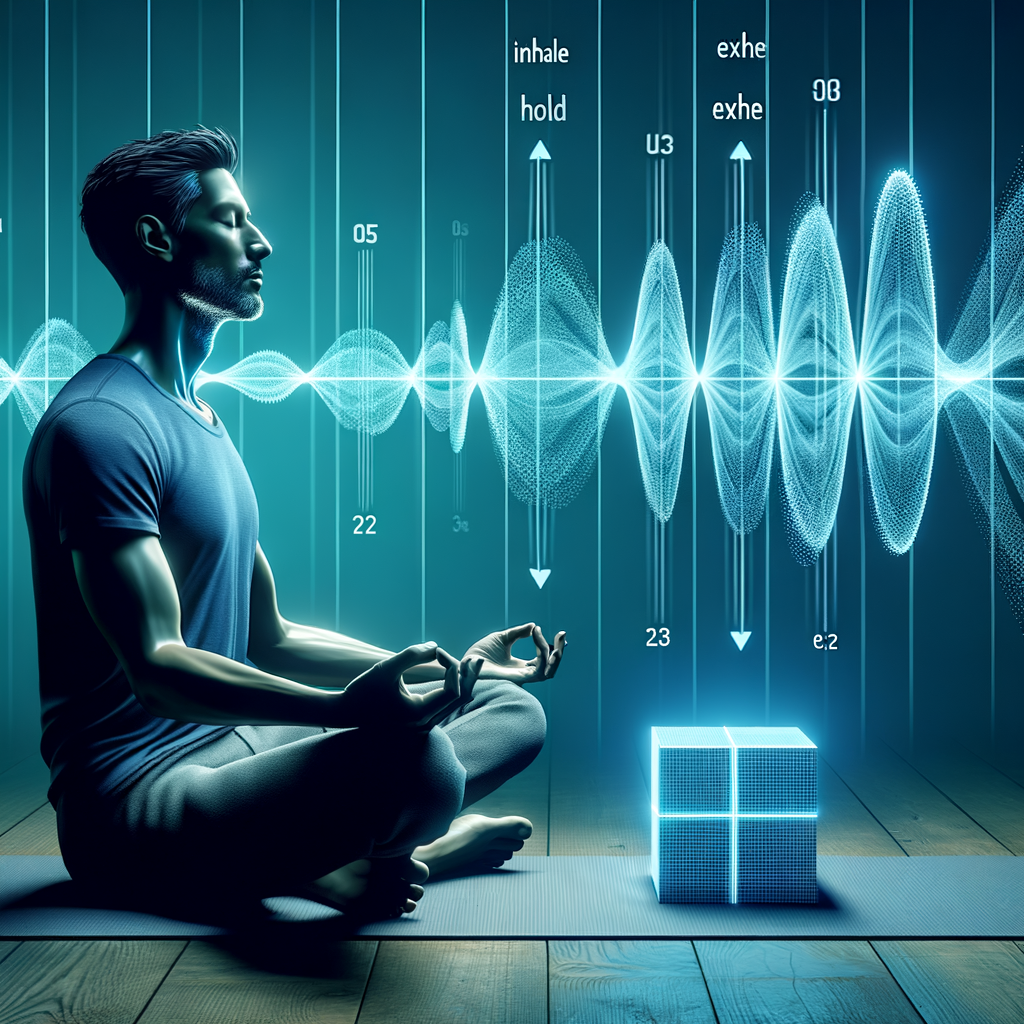
Unlock the Power of Your Breath with Box Breathing Breathing is an essential function of the human body, yet it is often taken for granted. Most people breathe without giving it much thought, but the way we breathe can have a significant impact on our physical and mental well-being. One breathing technique that has gained popularity in recent years is box breathing, also known as square breathing or four-square breathing. This technique is a simple yet powerful way to reduce stress, improve focus, and promote relaxation. Box breathing is a type of controlled breathing that involves inhaling, holding, exhaling, and holding the breath for equal counts. The technique is called “box” breathing because it involves four equal parts, much like the four sides of a square. The practice is often used by Navy SEALs, athletes, and other high-performers to help them stay calm and focused in high-pressure situations. To practice box breathing, find a quiet and comfortable place to sit or lie down. Close your eyes and take a few deep breaths to relax your body. Then, begin the box breathing technique by inhaling slowly and deeply through your nose for a count of four. Hold your breath for another count of four, then exhale slowly and completely through your mouth for a count of four. Finally, hold your breath again for a count of four before starting the cycle again. The key to box breathing is to focus on the breath and the counting. This helps to quiet the mind and bring your attention to the present moment. As you practice, you may find that your mind wanders or that you become distracted by outside noises. When this happens, simply acknowledge the distraction and gently bring your focus back to your breath. Box breathing can be practiced for as little as a few minutes or as long as you like. It is a versatile technique that can be used anytime, anywhere. Whether you are feeling stressed at work, anxious before a big presentation, or just need a moment to relax, box breathing can help you find a sense of calm and clarity. The benefits of box breathing are numerous. By slowing down the breath and taking deep, controlled breaths, you can activate the parasympathetic nervous system, which is responsible for the body’s “rest and digest” response. This can help to lower your heart rate, reduce blood pressure, and decrease stress hormones in the body. Box breathing can also improve focus and concentration by bringing your attention to the present moment and away from distracting thoughts. In addition to its stress-relieving benefits, box breathing can also be used as a tool for meditation and mindfulness. By focusing on the breath and the counting, you can quiet the mind and cultivate a sense of inner peace. This can help to improve your overall well-being and enhance your ability to handle life’s challenges with grace and ease. In conclusion, box breathing is a simple yet powerful technique that can help you unlock the power of your breath. By practicing this technique regularly, you can reduce stress, improve focus, and promote relaxation. So the next time you are feeling overwhelmed or need a moment of calm, try box breathing and experience the benefits for yourself.





Comments