

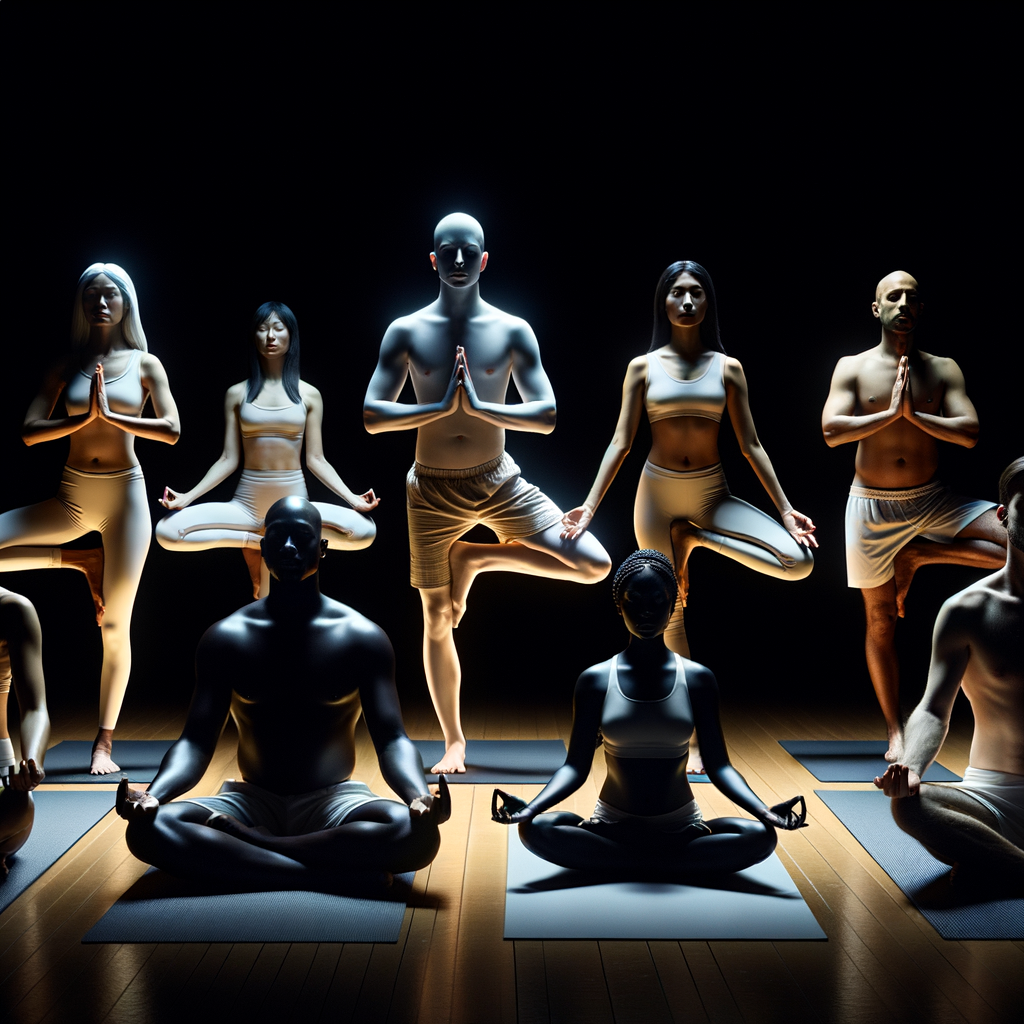
Uncover the Surprising Benefits of Practicing Yoga in the Dark
Table of Contents
Introduction
Uncover the Surprising Benefits of Practicing Yoga in the Dark explores the unique advantages of engaging in yoga sessions without the presence of light. This practice, also known as blindfolded yoga, encourages individuals to turn their focus inward, heightening their other senses, and promoting a deeper sense of introspection and mindfulness. By eliminating visual distractions, practitioners can experience improved balance, enhanced body awareness, and a stronger connection to their breath and movements. This introduction sets the stage for a deeper dive into the unexpected and transformative benefits of practicing yoga in the dark.Exploring the Enhanced Sensory Experience of Dark Yoga
Uncover the Surprising Benefits of Practicing Yoga in the Dark Yoga has long been celebrated for its numerous physical and mental health benefits. From increased flexibility and strength to reduced stress and anxiety, the practice of yoga has something to offer everyone. However, a new trend is emerging in the yoga community that takes the practice to a whole new level: practicing yoga in the dark. This unique approach to yoga offers an enhanced sensory experience that can lead to a deeper connection with oneself and a more profound sense of relaxation. Practicing yoga in the dark may seem counterintuitive at first, but it can actually enhance the experience in several ways. For one, it allows practitioners to focus more on their breath and the sensations in their body, rather than being distracted by their surroundings. Without the visual cues that we rely on in a well-lit room, we are forced to turn inward and pay closer attention to our movements and alignment. This heightened awareness can lead to a more mindful and intentional practice. Additionally, practicing yoga in the dark can help to reduce self-consciousness and judgment. Without the ability to see others in the room, practitioners are free to move and explore their practice without fear of judgment or comparison. This can lead to a greater sense of freedom and self-expression, allowing individuals to fully immerse themselves in the experience. The darkness can also create a sense of calm and relaxation that is conducive to meditation and deep relaxation. The absence of visual stimuli allows the mind to quiet and the body to relax more fully, leading to a more restorative practice. This can be especially beneficial for those who struggle with anxiety or have difficulty quieting their minds during meditation. Furthermore, practicing yoga in the dark can also enhance the physical benefits of the practice. Without the ability to rely on sight, practitioners must rely on their other senses and their proprioception, or sense of body position, to maintain balance and alignment. This can lead to a greater sense of body awareness and control, as well as improved balance and coordination. Despite the many benefits of practicing yoga in the dark, it is important to approach this practice with caution. It is recommended that individuals have some experience with yoga before attempting a dark yoga class, as the lack of visual cues can make it more challenging for beginners. It is also important to ensure that the space is safe and free of obstacles that could pose a risk of injury. In conclusion, practicing yoga in the dark offers a unique and enhanced sensory experience that can lead to a deeper connection with oneself and a more profound sense of relaxation. By removing visual distractions and focusing on the breath and sensations in the body, practitioners can experience a more mindful and intentional practice. Additionally, the darkness can create a sense of calm and relaxation that is conducive to meditation and deep relaxation. While it may not be suitable for everyone, those who are looking for a new and unique way to deepen their yoga practice may find that practicing in the dark is just what they need.The Psychological Advantages of Practicing Yoga in Low Light
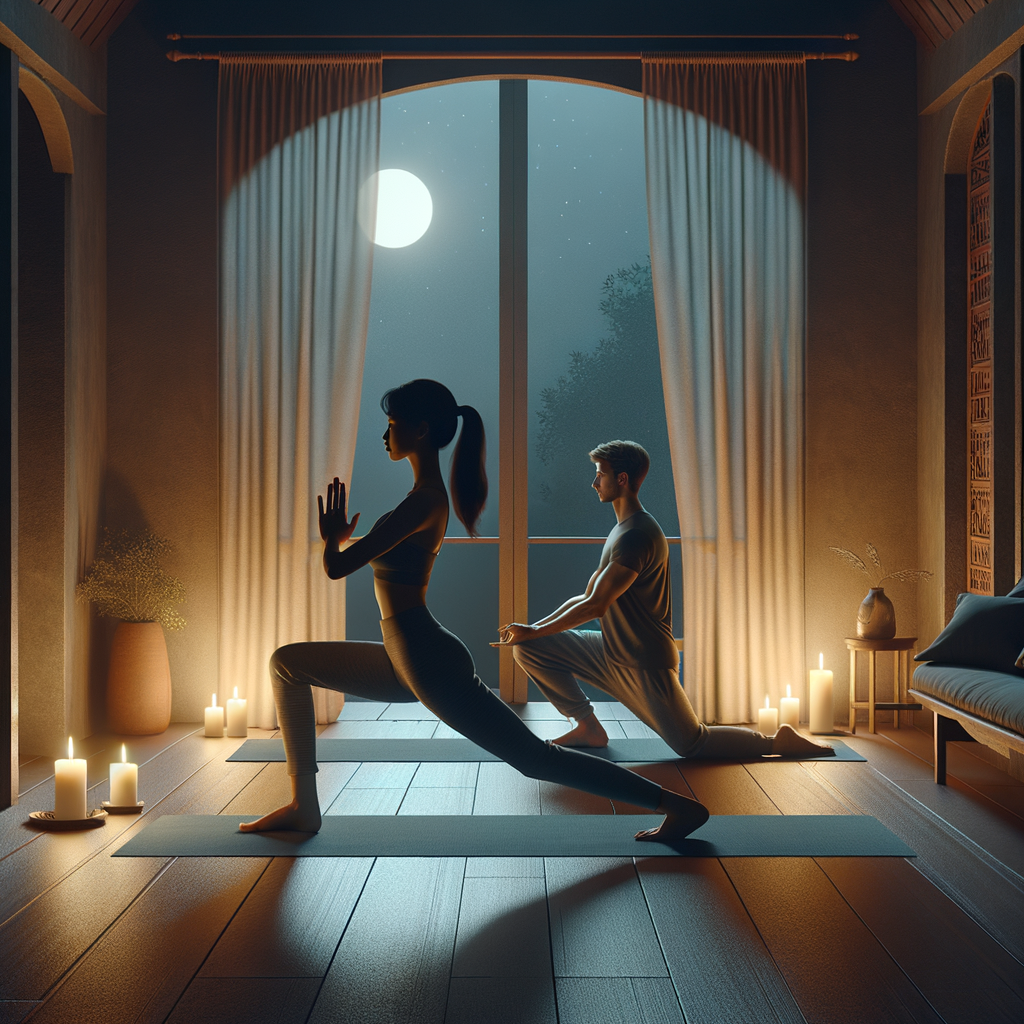
Uncover the Surprising Benefits of Practicing Yoga in the Dark Yoga is a practice that has been around for thousands of years, and its benefits are well-documented. From increased flexibility and strength to improved mental health, the advantages of regular yoga practice are numerous. However, there is a lesser-known aspect of yoga that is gaining popularity: practicing in the dark. This unique approach to yoga offers a range of psychological benefits that may surprise you. Practicing yoga in low light can help to create a sense of calm and relaxation. The absence of bright lights allows the mind to focus inward, reducing distractions and promoting a deeper sense of mindfulness. This can lead to a more meditative state, where the practitioner can connect with their breath and body on a more profound level. The darkness can also help to reduce stress and anxiety, as it encourages the release of melatonin, the hormone responsible for regulating sleep. Furthermore, practicing yoga in the dark can enhance the sensory experience. Without the visual cues that come with a well-lit room, practitioners must rely on their other senses to maintain balance and alignment. This can lead to a heightened awareness of the body and its movements, as well as an increased sense of proprioception, or the ability to sense the position and movement of the body in space. This can be particularly beneficial for those who struggle with balance or coordination, as it forces them to focus on the internal sensations of their body rather than external visual cues. Additionally, practicing yoga in low light can help to cultivate a sense of privacy and intimacy. In a darkened room, practitioners may feel more comfortable exploring their practice without the fear of judgment or comparison. This can lead to a more authentic and personal experience, where individuals can focus on their own needs and goals rather than trying to keep up with others. This sense of privacy can also encourage practitioners to take more risks and try new poses or sequences, leading to a greater sense of accomplishment and confidence. Moreover, practicing yoga in the dark can be a powerful tool for self-discovery. Without the distractions of the outside world, practitioners can turn their attention inward and explore their thoughts and emotions. This can lead to greater self-awareness and self-acceptance, as individuals learn to observe their thoughts without judgment. This can be particularly beneficial for those who struggle with negative self-talk or low self-esteem, as it allows them to cultivate a more compassionate and understanding relationship with themselves. In conclusion, practicing yoga in the dark offers a range of psychological benefits that may surprise you. From increased relaxation and mindfulness to enhanced sensory experience and self-discovery, this unique approach to yoga can be a powerful tool for improving mental health and well-being. So next time you roll out your mat, consider turning off the lights and exploring the benefits of practicing yoga in low light. You may be surprised at what you uncover.



Comments