


5 Mind-Blowing Benefits of Practicing Yoga in Water
Table of Contents
Introduction
Practicing yoga in water, also known as aqua yoga, offers a unique and refreshing experience that can provide numerous physical and mental health benefits. This low-impact exercise combines the soothing properties of water with the traditional poses and stretches of yoga, resulting in a workout that is both gentle on the body and invigorating for the mind. Here are five mind-blowing benefits of incorporating aqua yoga into your fitness routine: improved balance and stability, enhanced flexibility, reduced stress and anxiety, increased strength and endurance, and joint pain relief. Whether you’re a seasoned yogi or a beginner looking for a new way to stay active, aqua yoga is a versatile practice that can help you achieve a healthier, more balanced lifestyle.Enhancing Flexibility and Balance: The Wonders of Aquatic Yoga
Yoga is an ancient practice that has been used for centuries to promote physical and mental well-being. In recent years, a new form of yoga has emerged that combines the traditional practice with the benefits of water. Aquatic yoga, also known as water yoga, is a low-impact exercise that takes place in a pool or other body of water. This unique form of yoga offers a range of benefits that are not found in traditional yoga practices. Here are five mind-blowing benefits of practicing yoga in water. Firstly, aquatic yoga enhances flexibility. The buoyancy of the water supports the body, allowing for a greater range of motion and deeper stretches. This is particularly beneficial for individuals with limited mobility or those recovering from an injury. The water provides a gentle resistance that helps to strengthen and lengthen muscles, leading to improved flexibility over time. Secondly, water yoga improves balance. The unstable nature of the water challenges the body to maintain stability, which in turn strengthens the core muscles. This is especially helpful for older adults who may be at risk of falls. By practicing yoga in water, individuals can improve their balance and reduce the risk of injury. Thirdly, aquatic yoga is a low-impact exercise that is gentle on the joints. The water provides a cushioning effect that reduces the impact on the body, making it an ideal form of exercise for those with arthritis or other joint conditions. This also makes water yoga a great option for pregnant women, as it provides a safe and effective way to stay active during pregnancy. Fourthly, practicing yoga in water can help to reduce stress and anxiety. The calming effect of the water combined with the deep breathing and relaxation techniques of yoga can help to soothe the mind and reduce stress levels. This can lead to improved mental health and a greater sense of well-being. Finally, water yoga can be a fun and social activity. Many aquatic yoga classes are held in groups, providing an opportunity to meet new people and build a sense of community. This can be especially beneficial for those who may feel isolated or lonely, as it provides a chance to connect with others in a supportive and positive environment. In conclusion, aquatic yoga offers a range of benefits that are not found in traditional yoga practices. From enhancing flexibility and balance to reducing stress and anxiety, water yoga is a low-impact exercise that is gentle on the joints and can be a fun and social activity. Whether you are a seasoned yogi or a beginner, practicing yoga in water is a great way to improve your physical and mental well-being. So why not take the plunge and give aquatic yoga a try? You may be surprised at the mind-blowing benefits it has to offer.The Therapeutic Effects of Water Yoga on Stress and Anxiety
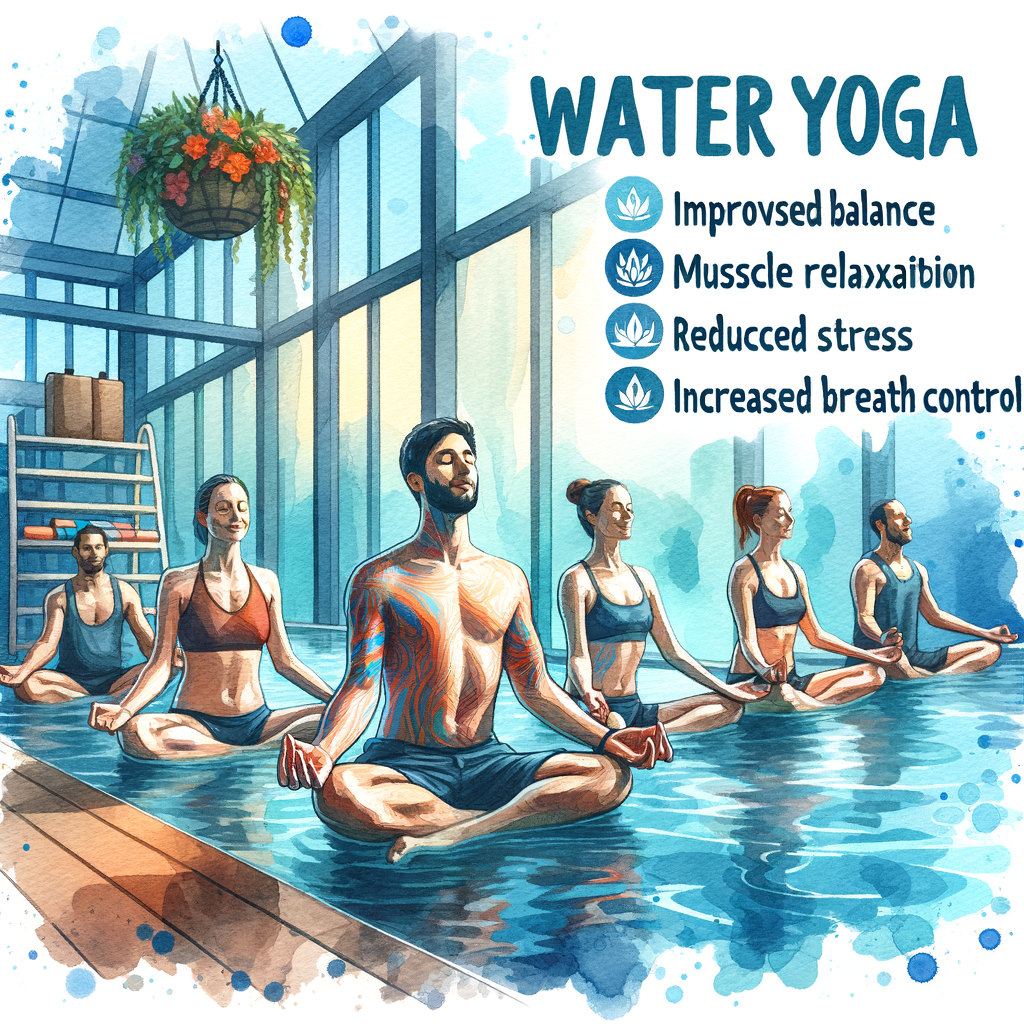
Yoga has been practiced for centuries as a way to improve physical and mental well-being. However, in recent years, a new form of yoga has emerged that combines the traditional practice with the therapeutic effects of water. Water yoga, also known as aqua yoga, is a low-impact exercise that takes place in a pool or other body of water. This unique form of yoga offers a range of benefits that are not found in traditional yoga practices. One of the most significant benefits of practicing yoga in water is the reduction of stress and anxiety. The buoyancy of the water provides a sense of weightlessness that can help to alleviate tension in the body. This, combined with the calming effects of being in water, can lead to a deep sense of relaxation. The gentle resistance of the water also helps to slow down movements, allowing for a more mindful and meditative practice. This can help to quiet the mind and reduce feelings of stress and anxiety. Another benefit of water yoga is the improvement of balance and coordination. The instability of the water forces the body to engage the core muscles to maintain balance. This can help to improve overall stability and coordination, both in and out of the water. Additionally, the resistance of the water can help to build strength in the muscles, leading to improved posture and alignment. Water yoga is also an excellent form of exercise for those with joint pain or arthritis. The buoyancy of the water takes the pressure off of the joints, allowing for a more comfortable and pain-free practice. This can help to improve joint mobility and reduce inflammation. The warm temperature of the water can also help to soothe sore muscles and promote relaxation. Practicing yoga in water can also lead to improved cardiovascular health. The resistance of the water provides a gentle form of cardiovascular exercise that can help to improve heart health. This can lead to a reduction in the risk of heart disease and other cardiovascular conditions. Additionally, the deep breathing techniques used in yoga can help to improve lung capacity and overall respiratory health. Finally, water yoga can be a fun and enjoyable way to practice yoga. The playful nature of being in the water can help to bring a sense of joy and lightness to the practice. This can help to improve overall mood and well-being. Additionally, the social aspect of practicing yoga in a group setting can help to build a sense of community and support. In conclusion, the therapeutic effects of water yoga on stress and anxiety are numerous. The combination of the calming effects of water with the physical and mental benefits of yoga can lead to a deep sense of relaxation and well-being. Whether you are looking to improve balance and coordination, reduce joint pain, improve cardiovascular health, or simply have fun, water yoga is a practice that offers something for everyone. So, why not take the plunge and give water yoga a try? You may be surprised at the mind-blowing benefits it can offer.





Comments