

Therapists Swear By This Simple Trick for Instant Calm
Table of Contents
Introduction
Therapists often recommend a simple trick for instant calm that involves deep breathing exercises. This technique, known as diaphragmatic breathing or belly breathing, can help reduce stress and anxiety by activating the body’s relaxation response. By focusing on taking slow, deep breaths, individuals can calm their mind and body, leading to a sense of peace and tranquility.The Power of Deep Breathing Techniques for Immediate Relaxation
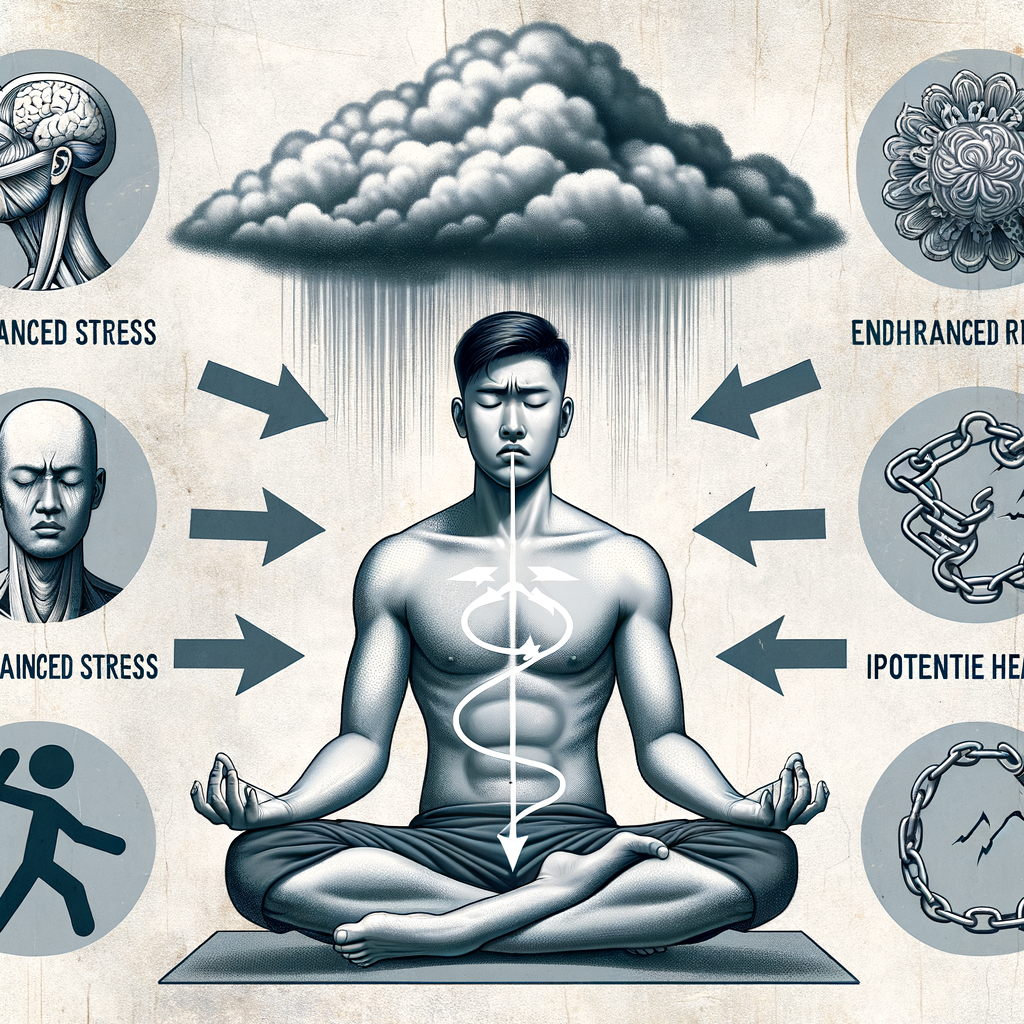
Therapists Swear By This Simple Trick for Instant Calm In today’s fast-paced world, stress and anxiety have become a common part of our daily lives. With the constant pressure to perform and the never-ending to-do lists, it’s no wonder that many of us feel overwhelmed and on edge. However, there is a simple trick that therapists swear by for instant calm, and that is the power of deep breathing techniques. Deep breathing, also known as diaphragmatic breathing, is a technique that involves taking slow, deep breaths in through the nose and out through the mouth. This type of breathing is different from the shallow breathing that we often do when we are stressed or anxious. Shallow breathing can actually exacerbate feelings of anxiety, while deep breathing can help to calm the nervous system and promote relaxation. One of the reasons that deep breathing is so effective is that it activates the body’s parasympathetic nervous system, which is responsible for the “rest and digest” response. When we are stressed, our sympathetic nervous system is activated, which triggers the “fight or flight” response. This can lead to a range of physical symptoms, such as increased heart rate, rapid breathing, and muscle tension. By taking deep breaths, we can counteract these symptoms and bring our bodies back into a state of balance. Another benefit of deep breathing is that it can help to increase the amount of oxygen in the bloodstream. When we are stressed, our breathing becomes shallow and we may not be taking in enough oxygen. This can lead to feelings of fatigue and brain fog. By taking deep breaths, we can increase the amount of oxygen in our bodies, which can help to improve our energy levels and mental clarity. There are many different deep breathing techniques that you can try, but one of the simplest is the 4-7-8 technique. To do this, you simply breathe in for a count of four, hold your breath for a count of seven, and then exhale for a count of eight. This technique can be done anywhere and at any time, making it a convenient way to reduce stress and promote relaxation. Another popular deep breathing technique is called “box breathing.” This involves breathing in for a count of four, holding your breath for a count of four, exhaling for a count of four, and then holding your breath again for a count of four. This technique can help to slow down your breathing and bring your focus to the present moment. In addition to these techniques, there are also many apps and online resources that can guide you through deep breathing exercises. These can be especially helpful if you are new to deep breathing and need some guidance on how to get started. Overall, deep breathing is a simple and effective way to reduce stress and promote relaxation. By taking just a few minutes each day to practice deep breathing, you can improve your mental and physical well-being. So the next time you’re feeling overwhelmed, take a deep breath and let the power of deep breathing techniques work their magic.Mindfulness Meditation: A Therapist’s Secret to Instant Serenity

Therapists Swear By This Simple Trick for Instant Calm In today’s fast-paced world, stress and anxiety have become a common part of our daily lives. With the constant pressure to perform and the never-ending stream of information, it’s no wonder that many of us struggle to find a moment of peace. However, therapists have long known a simple trick that can help us achieve instant calm and serenity: mindfulness meditation. Mindfulness meditation is a practice that has been around for thousands of years, but it has only recently gained popularity in the Western world. It involves focusing on the present moment, without judgment or distraction, and allowing thoughts and feelings to come and go without getting caught up in them. This practice has been shown to have a wide range of benefits, from reducing stress and anxiety to improving sleep and overall well-being. One of the reasons why therapists swear by mindfulness meditation is because it is a simple and accessible practice that anyone can do, anywhere, at any time. All it takes is a few minutes of quiet and focused attention to start feeling the benefits. Whether you’re sitting in a quiet room, taking a walk in nature, or even just taking a few deep breaths at your desk, mindfulness meditation can help you find a sense of calm and clarity. Another reason why therapists recommend mindfulness meditation is because it helps us become more aware of our thoughts and feelings. By paying attention to our inner experiences, we can start to notice patterns and triggers that may be contributing to our stress and anxiety. This awareness can help us develop healthier coping mechanisms and make more mindful choices in our daily lives. Mindfulness meditation also has a physiological effect on our bodies. When we practice mindfulness, our bodies enter a state of relaxation, which can help lower our heart rate, reduce muscle tension, and decrease the production of stress hormones. This can have a profound impact on our overall health and well-being, as chronic stress has been linked to a wide range of health issues, from heart disease to depression. One of the most powerful aspects of mindfulness meditation is that it can help us cultivate a sense of inner peace and serenity. By focusing on the present moment, we can let go of worries about the past or future and simply be in the here and now. This can help us feel more grounded and centered, even in the midst of chaos and uncertainty. In conclusion, mindfulness meditation is a simple and effective practice that therapists swear by for achieving instant calm and serenity. Whether you’re dealing with stress, anxiety, or just looking for a way to find more peace in your life, mindfulness meditation can help. By taking a few minutes each day to focus on the present moment, you can start to experience the many benefits of this powerful practice. So why not give it a try? You may be surprised at how quickly you can find a sense of calm and clarity in the midst of your busy life.



Comments