

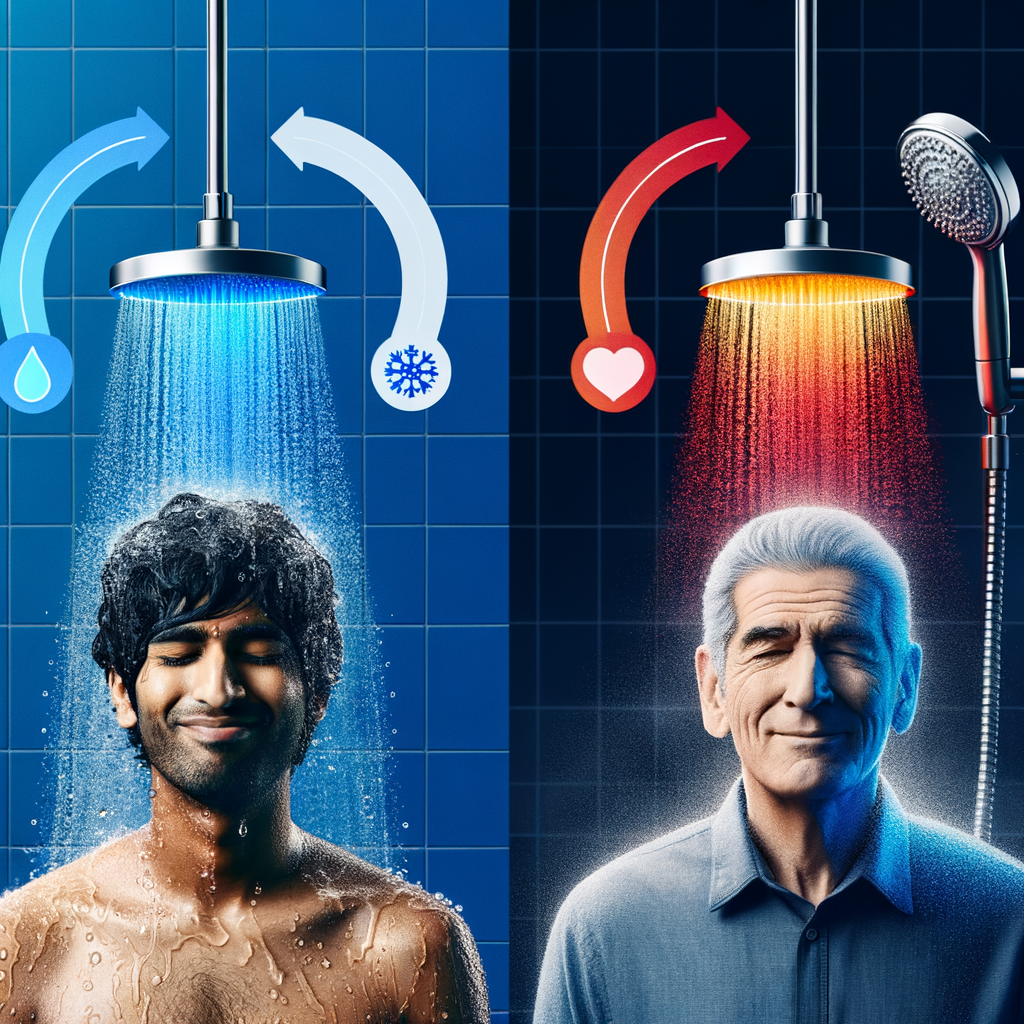
The Unexpected Way Your Shower Temperature Affects Mood
Table of Contents
Introduction
The Unexpected Way Your Shower Temperature Affects Mood explores the surprising impact that the temperature of your shower can have on your emotional well-being. It delves into the science behind how hot or cold showers can influence your mood, energy levels, and overall mental health. Whether you prefer a steamy hot shower or a refreshing cold one, this introduction sets the stage for understanding the psychological effects of your shower routine.The Surprising Connection Between Shower Temperature and Emotional Well-being
The Unexpected Way Your Shower Temperature Affects Mood The temperature of your shower may seem like a trivial detail in your daily routine, but it turns out that it can have a significant impact on your mood and emotional well-being. While most people have a preference for either hot or cold showers, few are aware of the surprising connection between shower temperature and mood. Hot showers are often associated with relaxation and comfort. The warmth of the water can help to soothe sore muscles, reduce stress, and promote a sense of calm. This is because hot water can stimulate the release of endorphins, the body’s natural painkillers, which can lead to feelings of euphoria and happiness. Additionally, the heat can help to increase blood flow, which can improve circulation and promote a sense of well-being. On the other hand, cold showers have been shown to have a number of benefits for mood and mental health. Cold water can help to increase alertness and energy levels, making it a great way to start the day. It can also help to reduce inflammation and improve circulation, which can lead to a feeling of invigoration. Furthermore, cold showers have been shown to activate the sympathetic nervous system, which can lead to an increase in the production of norepinephrine, a hormone that can help to improve mood and reduce symptoms of depression. Interestingly, alternating between hot and cold water during a shower can also have a positive impact on mood. This practice, known as contrast showering, can help to stimulate the body’s natural healing processes and promote a sense of balance and well-being. The sudden change in temperature can also help to increase blood flow and improve circulation, which can lead to a feeling of rejuvenation and vitality. In addition to the physical benefits, the temperature of your shower can also have a psychological impact on your mood. Taking a hot shower can be a form of self-care, providing a moment of relaxation and escape from the stresses of daily life. Similarly, a cold shower can be a way to challenge yourself and build resilience, leading to a sense of accomplishment and confidence. It’s important to note that the impact of shower temperature on mood can vary from person to person. Some people may find that hot showers help to improve their mood, while others may prefer the invigorating effects of a cold shower. It’s also worth considering that the benefits of hot and cold showers may be influenced by other factors, such as the time of day, the duration of the shower, and individual preferences. In conclusion, the temperature of your shower can have a surprising impact on your mood and emotional well-being. Whether you prefer hot or cold showers, or a combination of both, it’s clear that this simple aspect of your daily routine can have a significant impact on your mental health. So next time you step into the shower, consider how the temperature of the water might be affecting your mood, and experiment with different temperatures to find what works best for you.How Hot and Cold Showers Can Influence Your Mood and Stress Levels
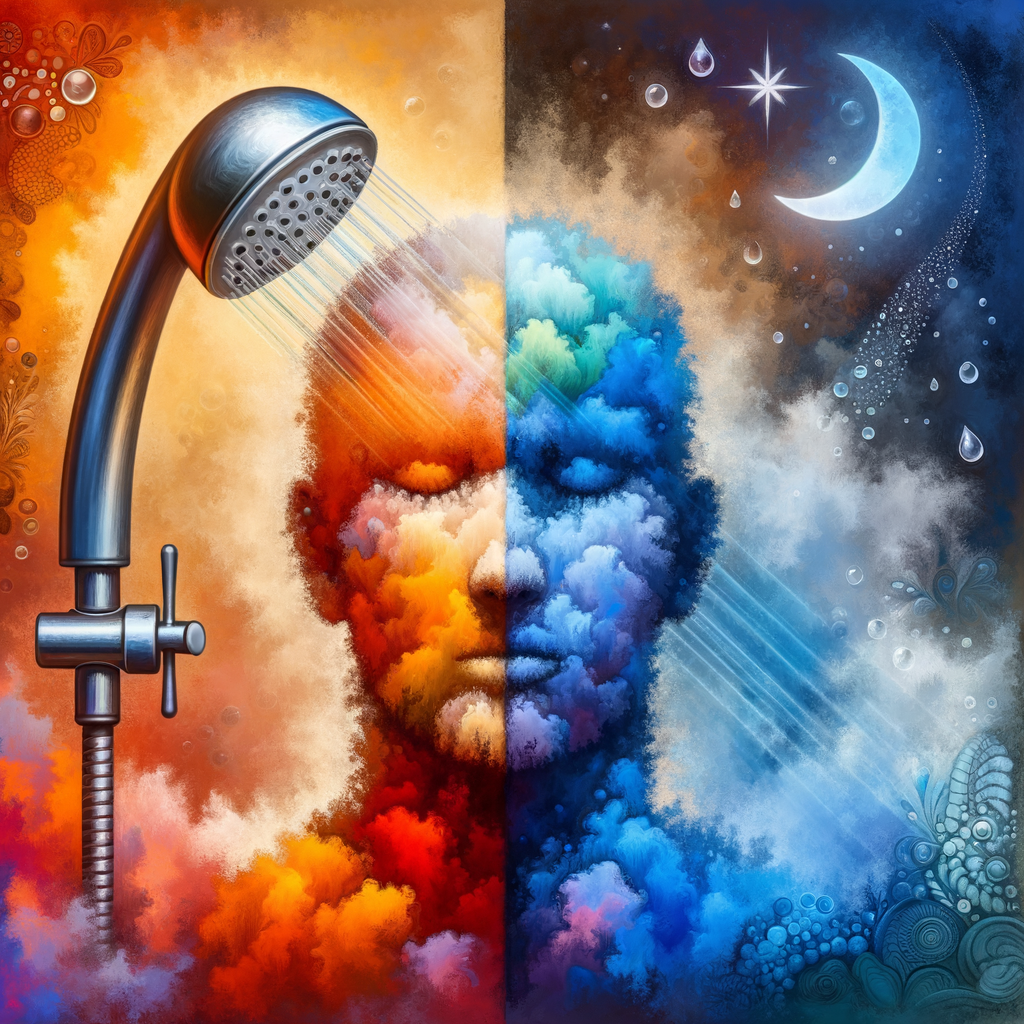
The Unexpected Way Your Shower Temperature Affects Mood The temperature of your shower may seem like a trivial detail in your daily routine, but it can have a significant impact on your mood and stress levels. While most people have a preference for either hot or cold showers, few are aware of the psychological effects that these temperatures can have on their mental state. Hot showers are often associated with relaxation and comfort. The warmth of the water can help to soothe sore muscles and calm the mind. This is because hot water can stimulate the release of endorphins, the body’s natural painkillers, which can help to reduce feelings of stress and anxiety. Additionally, the heat can help to increase blood flow, which can further promote relaxation and improve overall mood. On the other hand, cold showers can have a more invigorating effect. The shock of the cold water can help to increase alertness and energy levels. This is because the cold temperature can trigger the release of adrenaline, which can help to boost mood and reduce feelings of fatigue. Cold showers can also help to reduce inflammation and improve circulation, which can further contribute to a sense of well-being. Interestingly, the benefits of hot and cold showers are not mutually exclusive. In fact, alternating between hot and cold temperatures during a single shower can provide a range of mood-boosting effects. This is because the sudden changes in temperature can help to stimulate the body’s natural response to stress, known as the “fight or flight” response. This can help to increase resilience to stress and improve overall mood. Furthermore, the temperature of your shower can also have an impact on your sleep quality. A hot shower before bed can help to relax the body and prepare it for sleep. The warmth of the water can help to lower the body’s core temperature, which can signal to the brain that it is time to sleep. This can help to improve the quality of sleep and reduce feelings of fatigue the next day. Conversely, a cold shower in the morning can help to wake up the body and prepare it for the day ahead. The cold temperature can help to increase alertness and energy levels, which can help to improve mood and reduce feelings of grogginess. In conclusion, the temperature of your shower can have a significant impact on your mood and stress levels. Whether you prefer hot or cold showers, it is important to be aware of the psychological effects that these temperatures can have on your mental state. By understanding the benefits of hot and cold showers, you can use this knowledge to your advantage and tailor your shower routine to suit your mood and stress levels. So next time you step into the shower, consider the temperature and how it may affect your mood and well-being.


Comments