

The Unexpected Link Between Decluttering and Weight Loss
Table of Contents
Introduction
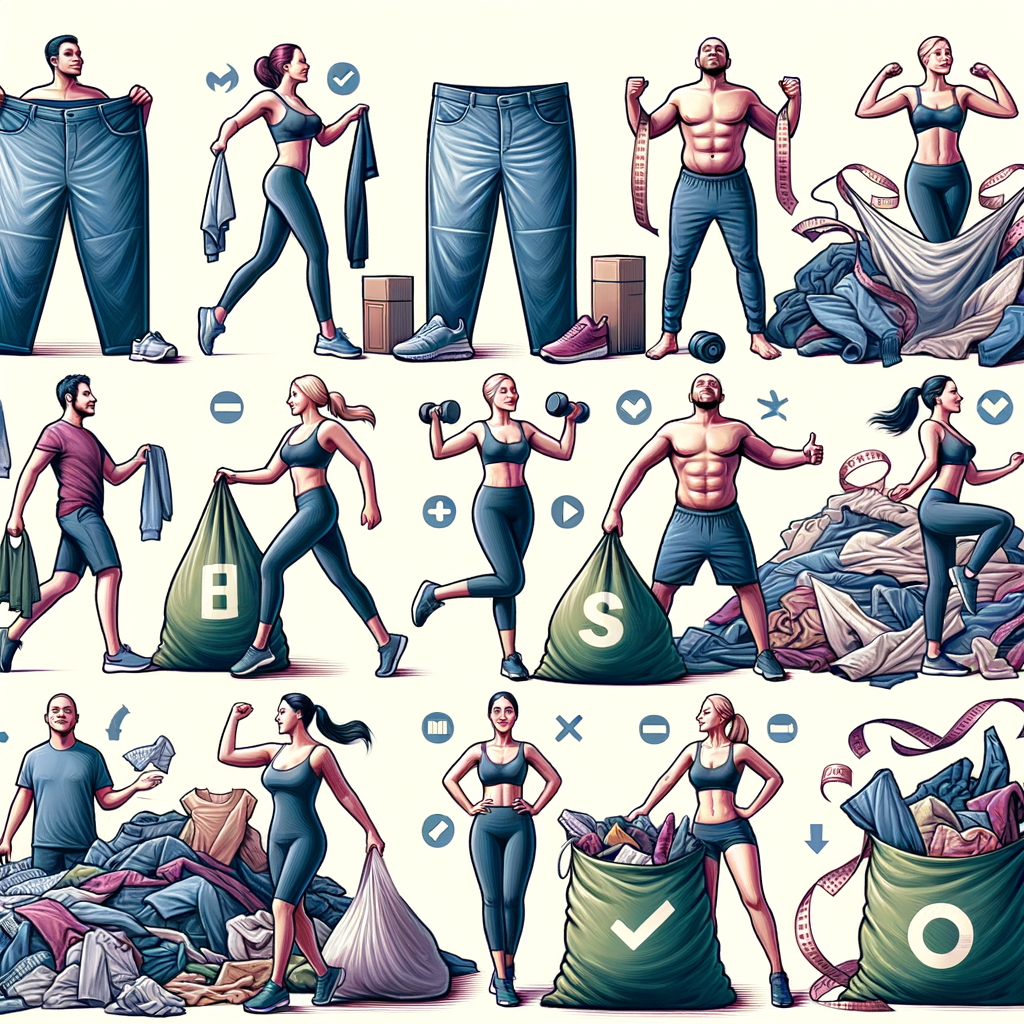
The Unexpected Link Between Decluttering and Weight Loss explores the surprising connection between organizing one’s physical space and shedding excess pounds. This concept delves into the psychological and emotional benefits of decluttering, which can lead to healthier habits and ultimately, weight loss. By removing clutter from our surroundings, we can gain clarity, reduce stress, and create an environment that supports our wellness goals.The Surprising Connection Between a Tidy Home and a Healthy Waistline
The Unexpected Link Between Decluttering and Weight Loss In recent years, the concept of decluttering has gained popularity as a way to simplify and organize one’s living space. However, what many people may not realize is that decluttering can also have a significant impact on their physical health, specifically in terms of weight loss. The connection between a tidy home and a healthy waistline may seem unexpected, but research has shown that there is a strong correlation between the two. One of the primary ways that decluttering can lead to weight loss is by reducing stress. A cluttered home can create a sense of chaos and overwhelm, leading to increased levels of the stress hormone cortisol. High levels of cortisol have been linked to weight gain, particularly in the abdominal area. By decluttering and creating a more organized and peaceful living environment, individuals can reduce their stress levels and, in turn, potentially lose weight. Additionally, decluttering can lead to healthier eating habits. When a kitchen is cluttered and disorganized, it can be difficult to find the necessary tools and ingredients to prepare healthy meals. This can lead to a reliance on takeout or processed foods, which are often high in calories and low in nutrients. By decluttering the kitchen and making it easier to cook at home, individuals are more likely to make healthier food choices and, as a result, lose weight. Furthermore, decluttering can also increase physical activity. Cleaning and organizing a home requires a significant amount of movement, from lifting and carrying items to bending and reaching. This increase in physical activity can contribute to weight loss, particularly when combined with other forms of exercise. The psychological benefits of decluttering should not be overlooked either. A cluttered home can lead to feelings of guilt and shame, which can negatively impact one’s self-esteem and motivation to make healthy choices. By decluttering and creating a space that one is proud of, individuals may feel more motivated to take care of their bodies and make choices that support their weight loss goals. It is important to note that decluttering alone may not lead to significant weight loss. However, when combined with a healthy diet and regular exercise, it can be a powerful tool in achieving and maintaining a healthy weight. The key is to approach decluttering as a lifestyle change rather than a one-time event. By making a commitment to keeping one’s living space organized and clutter-free, individuals can create a supportive environment for their weight loss journey. In conclusion, the link between decluttering and weight loss may be unexpected, but it is a powerful one. By reducing stress, promoting healthy eating habits, increasing physical activity, and boosting self-esteem, decluttering can play a significant role in achieving and maintaining a healthy waistline. So, the next time you feel overwhelmed by clutter, remember that tackling it may not only improve your living space but also your physical health.How Decluttering Your Space Can Lead to Better Eating Habits

The Unexpected Link Between Decluttering and Weight Loss In recent years, the concept of decluttering has gained popularity as a way to simplify and organize one’s living space. However, what many people may not realize is that decluttering can also have a positive impact on their eating habits and, ultimately, their weight loss goals. The connection between a cluttered environment and unhealthy eating patterns may not be immediately obvious, but research has shown that there is a significant link between the two. One of the primary ways that decluttering can lead to better eating habits is by reducing stress. A cluttered and disorganized space can create a sense of chaos and overwhelm, which can trigger the body’s stress response. When we are stressed, we are more likely to reach for comfort foods that are high in sugar and fat, which can lead to weight gain. By decluttering and creating a more serene environment, we can reduce our stress levels and make healthier food choices. Additionally, a cluttered kitchen can make it more difficult to prepare healthy meals. When countertops are covered with appliances, dishes, and other items, it can be challenging to find the space to chop vegetables or cook a meal from scratch. This can lead to a reliance on pre-packaged or takeout food, which is often higher in calories and less nutritious than home-cooked meals. By decluttering the kitchen and creating a more functional space, we can make it easier to cook healthy meals at home. Furthermore, decluttering can also help us become more mindful of our eating habits. When we are surrounded by clutter, it can be easy to mindlessly snack on whatever is within reach. By decluttering and organizing our food storage areas, we can create a system that encourages us to be more intentional about what we eat. For example, we can store healthy snacks at eye level and keep less healthy options out of sight, making it more likely that we will choose the healthier option. Moreover, decluttering can also help us break the cycle of emotional eating. When we are surrounded by clutter, it can be a constant reminder of tasks that need to be done or goals that have not been achieved, which can lead to feelings of guilt or inadequacy. These negative emotions can trigger emotional eating, where we turn to food for comfort rather than nourishment. By decluttering and creating a more positive environment, we can reduce the emotional triggers that lead to overeating. In conclusion, decluttering is not just about creating a more organized living space; it can also have a significant impact on our eating habits and weight loss goals. By reducing stress, creating a more functional kitchen, becoming more mindful of our food choices, and breaking the cycle of emotional eating, decluttering can help us make healthier choices and achieve our weight loss goals. So, the next time you are feeling overwhelmed by clutter, remember that tackling it may not only improve your living space but also your health and well-being.





Comments