

The Unexpected Link Between Clutter and Relationship Stress
Table of Contents
Introduction
The Unexpected Link Between Clutter and Relationship Stress explores the impact that a cluttered living space can have on romantic relationships. It delves into the ways in which physical clutter can lead to emotional clutter, creating tension and stress between partners. The introduction sets the stage for a discussion on the importance of organization and communication in maintaining a healthy and harmonious relationship.The Impact of Clutter on Communication and Intimacy in Relationships
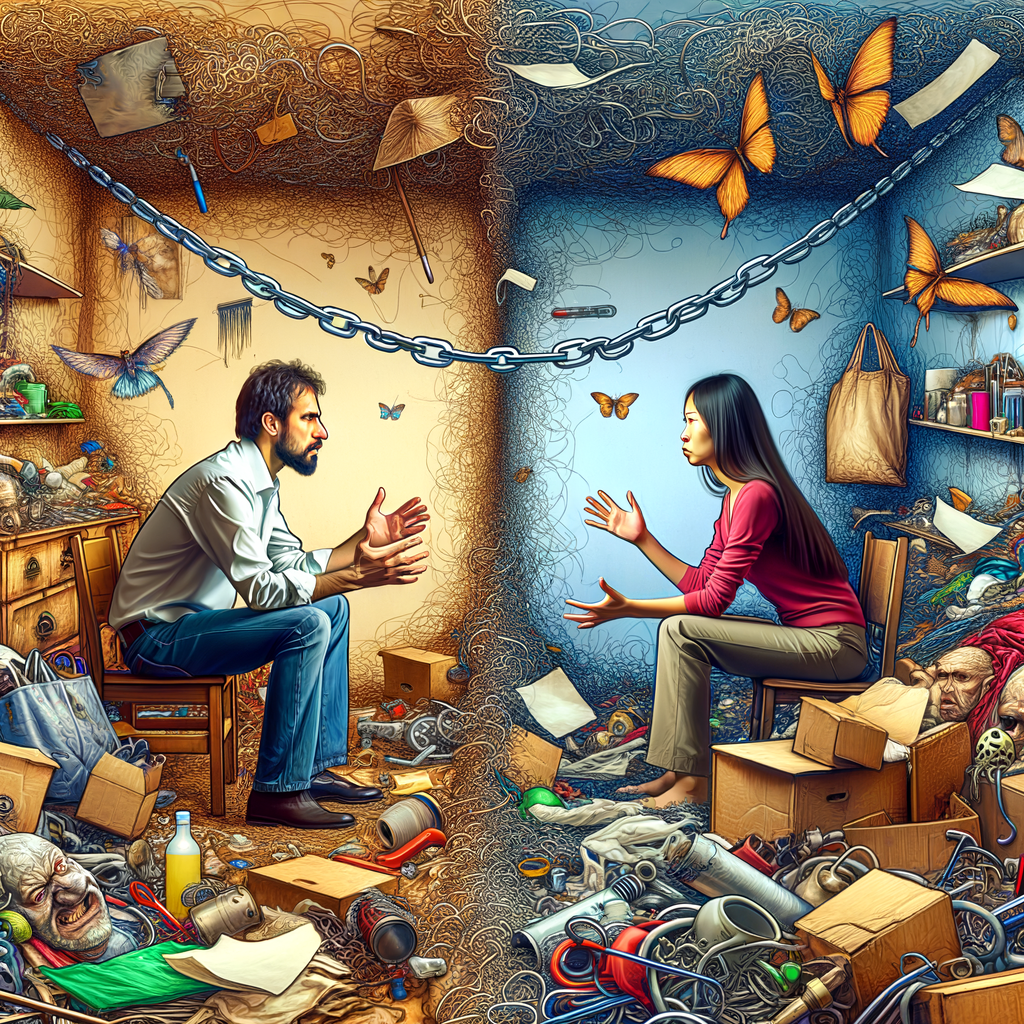
The Unexpected Link Between Clutter and Relationship Stress Clutter is often seen as a harmless annoyance, something that we can easily ignore or put off dealing with until later. However, recent studies have shown that clutter can have a significant impact on our relationships, particularly when it comes to communication and intimacy. The presence of clutter in our living spaces can create stress and tension between partners, leading to a breakdown in communication and a decrease in intimacy. One of the main ways that clutter affects relationships is by creating a sense of chaos and disorganization. When our living spaces are cluttered, it can be difficult to find things, leading to frustration and irritation. This can create a negative atmosphere in the home, making it difficult for partners to relax and enjoy each other’s company. Clutter can also make it difficult to keep track of important items, such as bills or important documents, leading to arguments and misunderstandings. Clutter can also impact intimacy in relationships. A cluttered bedroom, for example, can make it difficult for partners to feel relaxed and comfortable, leading to a decrease in physical intimacy. Clutter can also create a sense of embarrassment or shame, making it difficult for partners to invite others into their home. This can lead to a sense of isolation and a lack of social support, which can further strain the relationship. The impact of clutter on communication and intimacy in relationships is not just limited to the physical space. Clutter can also create mental clutter, making it difficult for partners to focus on each other and communicate effectively. When our minds are cluttered with thoughts and worries about the state of our living spaces, it can be difficult to be present and attentive to our partners. This can lead to misunderstandings and a breakdown in communication, further exacerbating relationship stress. So, what can be done to address the impact of clutter on relationships? The first step is to recognize the problem and take steps to declutter the living space. This can be a daunting task, but it is important to start small and work together as a team. Setting aside time each week to declutter and organize the home can help to create a sense of order and calm, making it easier for partners to relax and enjoy each other’s company. It is also important to communicate openly and honestly about the impact of clutter on the relationship. Discussing the issue and coming up with a plan to address it can help to reduce stress and tension. It is important to be supportive and understanding of each other’s feelings and to work together to create a living space that is comfortable and inviting. In conclusion, clutter can have a significant impact on relationships, particularly when it comes to communication and intimacy. By recognizing the problem and taking steps to address it, couples can reduce stress and tension, improve communication, and increase intimacy. Decluttering the living space can be a challenging task, but it is an important step towards creating a healthy and happy relationship.How a Disorganized Home Environment Can Lead to Increased Conflict and Stress
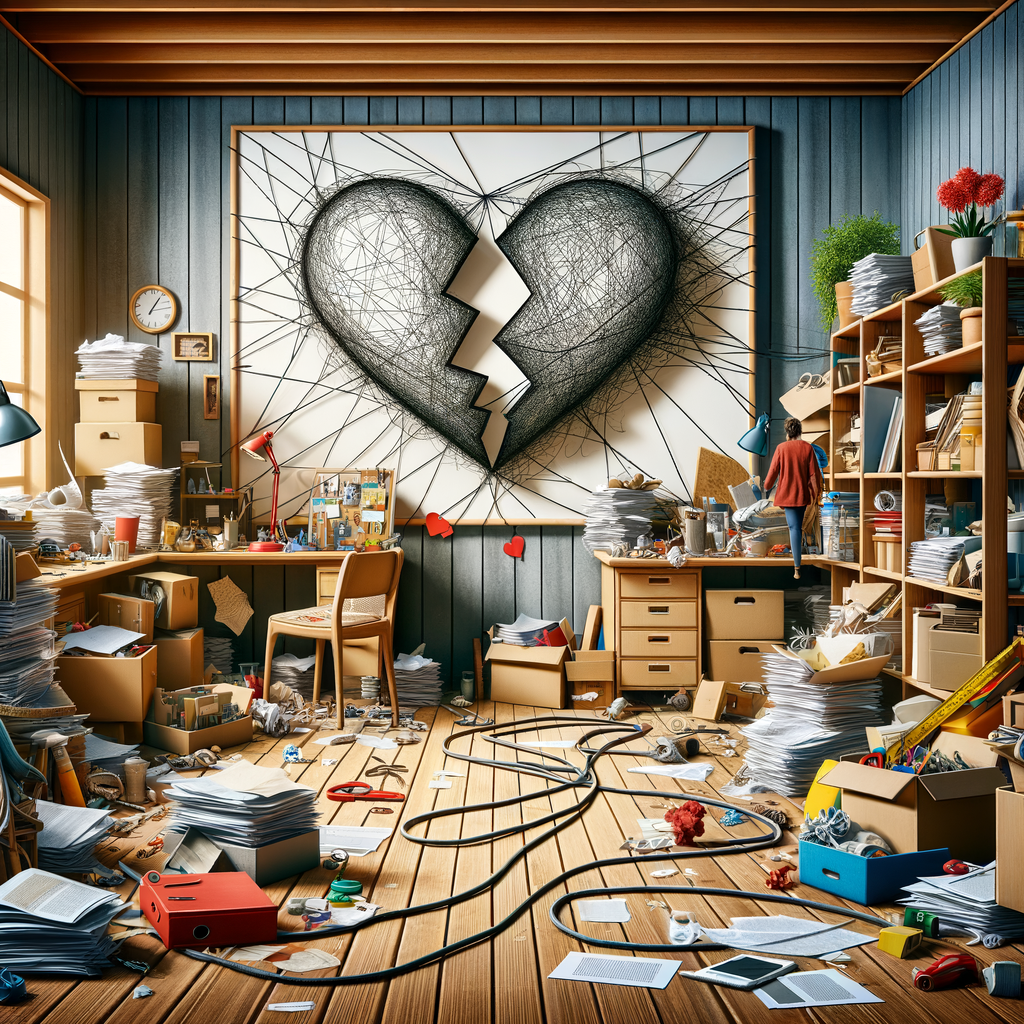
The Unexpected Link Between Clutter and Relationship Stress It is no secret that clutter can cause stress and anxiety in our lives. But what many people may not realize is that a disorganized home environment can also lead to increased conflict and stress in our relationships. The connection between clutter and relationship stress may seem unexpected, but it is a very real issue that many couples face. Clutter can create a chaotic and overwhelming environment, making it difficult for individuals to relax and unwind. This can lead to increased irritability and tension, which can easily spill over into our relationships. When we are constantly surrounded by clutter, it can be challenging to find the time and space to connect with our partners. This can lead to feelings of disconnection and dissatisfaction in the relationship. Furthermore, clutter can also create practical problems that can lead to conflict. For example, if one partner is constantly misplacing important items or struggling to find what they need, it can lead to frustration and arguments. This can be especially true if one partner is more organized than the other, leading to resentment and blame. In addition to the emotional and practical issues that clutter can cause, it can also have a negative impact on our physical health. A cluttered home can be a breeding ground for dust, mold, and other allergens, which can lead to respiratory problems and other health issues. This can add an additional layer of stress to the relationship, as one partner may be concerned about the health and well-being of the other. So, what can couples do to address the issue of clutter and reduce relationship stress? The first step is to acknowledge the problem and have an open and honest conversation about it. It is important to approach the conversation with empathy and understanding, rather than blame and criticism. Once the issue has been acknowledged, couples can work together to create a plan to declutter their home and create a more organized and peaceful environment. This may involve setting aside time each week to declutter and organize, or it may involve hiring a professional organizer to help. It is also important to establish clear rules and boundaries around clutter, such as agreeing to put things away after use or setting limits on the number of items that can be kept in a particular space. In addition to decluttering the physical environment, couples can also work on decluttering their emotional environment. This may involve setting aside time each day to connect and communicate, or it may involve seeking the help of a therapist to work through any underlying issues that may be contributing to the clutter and relationship stress. In conclusion, the link between clutter and relationship stress may be unexpected, but it is a very real issue that many couples face. By acknowledging the problem and working together to create a more organized and peaceful home environment, couples can reduce conflict and stress and improve the overall health and happiness of their relationship.





Comments