

The Unexpected Link Between Clutter and Chronic Pain
Table of Contents
Introduction
The Unexpected Link Between Clutter and Chronic Pain explores the surprising connection between physical clutter in our living spaces and the experience of chronic pain in our bodies. This concept delves into how a cluttered environment can contribute to increased stress, anxiety, and physical strain, ultimately exacerbating or even causing chronic pain conditions. The introduction of this topic aims to shed light on the importance of maintaining a tidy and organized space for both mental and physical well-being.The Surprising Connection Between Clutter and Chronic Pain: How Your Environment Affects Your Health
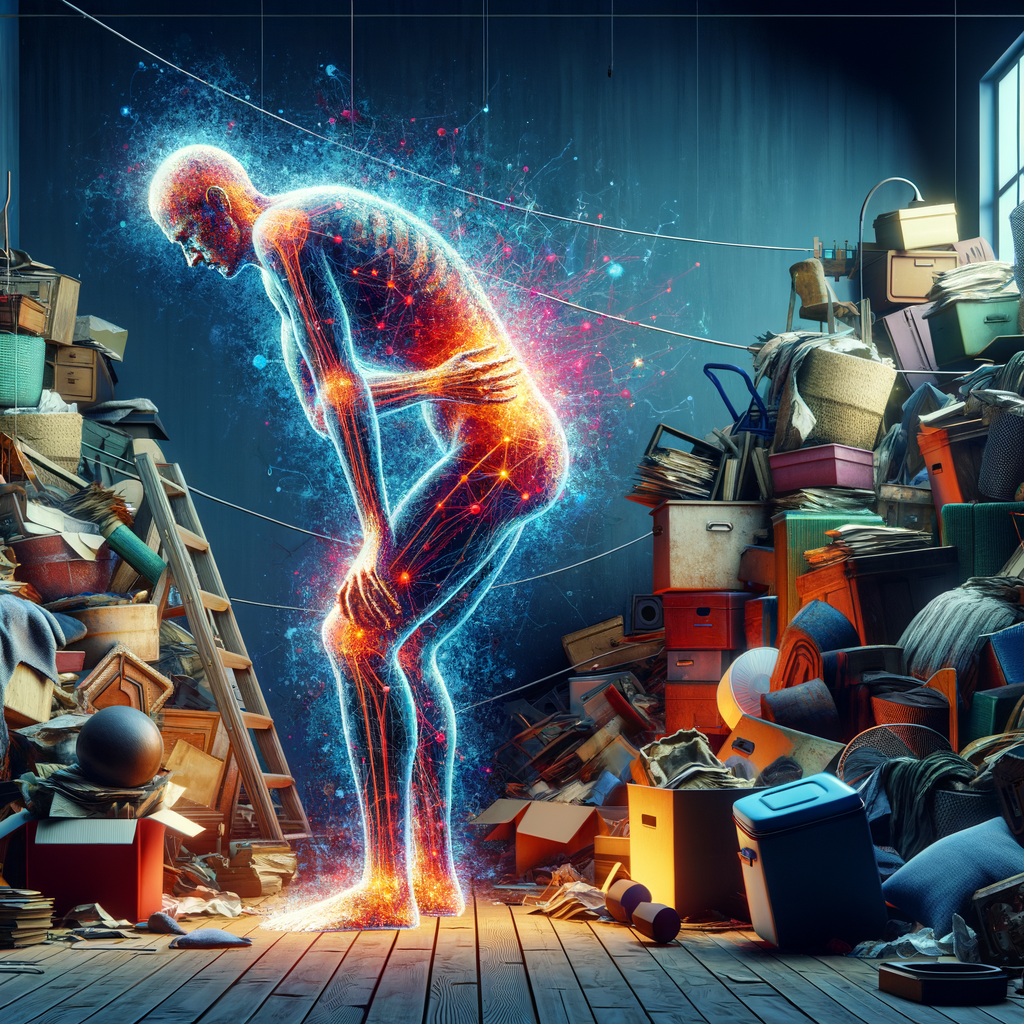
The Unexpected Link Between Clutter and Chronic Pain Chronic pain is a debilitating condition that affects millions of people worldwide. It can be caused by a variety of factors, including injury, illness, and stress. However, recent research has uncovered an unexpected link between chronic pain and clutter. It turns out that the state of our environment can have a significant impact on our physical health, and cluttered spaces can contribute to the development and exacerbation of chronic pain. Clutter is defined as an excessive accumulation of items that can create a disorganized and chaotic environment. It can be found in homes, offices, and even cars. Clutter can be overwhelming and can create a sense of chaos and disorder. It can also make it difficult to find things, leading to frustration and stress. This stress can have a negative impact on our physical health, and can contribute to the development of chronic pain. The connection between clutter and chronic pain is not entirely understood, but it is believed that clutter can create a stressful environment that can exacerbate pain. Clutter can also make it difficult to move around, leading to a sedentary lifestyle that can contribute to the development of chronic pain. Additionally, clutter can make it difficult to clean and maintain a healthy living environment, which can lead to the accumulation of dust and allergens that can trigger pain. The impact of clutter on chronic pain is not limited to the physical environment. Clutter can also create a mental and emotional burden that can contribute to the development of chronic pain. The stress of living in a cluttered environment can lead to anxiety and depression, which can exacerbate pain. Additionally, clutter can create a sense of overwhelm and helplessness, which can contribute to the development of chronic pain. The good news is that decluttering can help to reduce the impact of clutter on chronic pain. Decluttering can create a sense of order and calm, which can reduce stress and anxiety. It can also make it easier to move around and maintain a healthy living environment, which can help to reduce the development of chronic pain. Additionally, decluttering can create a sense of accomplishment and control, which can help to reduce the mental and emotional burden of clutter. In conclusion, the link between clutter and chronic pain is an unexpected but important one. Clutter can create a stressful and chaotic environment that can contribute to the development and exacerbation of chronic pain. It can also create a mental and emotional burden that can exacerbate pain. However, decluttering can help to reduce the impact of clutter on chronic pain, and can create a sense of order and calm that can improve physical and mental health. It is important to recognize the impact of our environment on our health, and to take steps to create a healthy and organized living space.The Hidden Impact of Clutter on Chronic Pain Sufferers: What You Need to Know
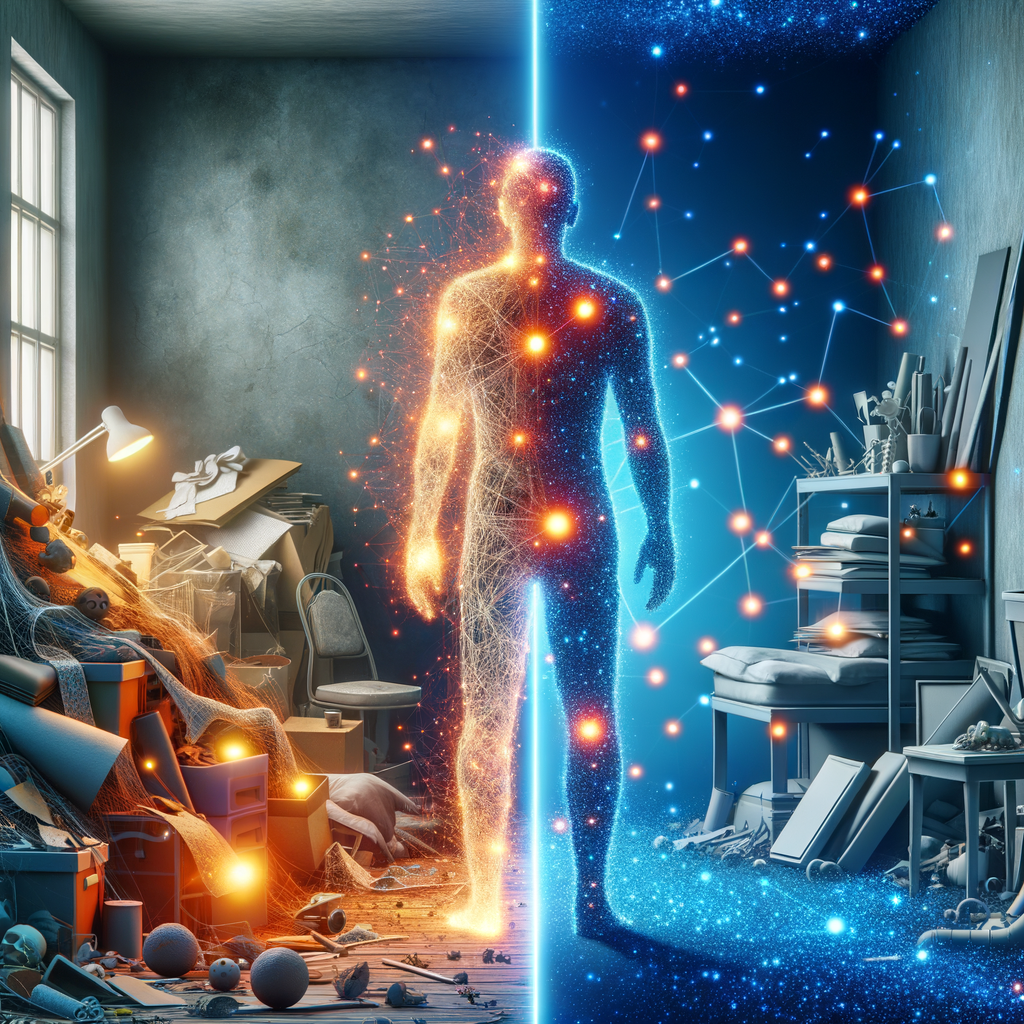
The Unexpected Link Between Clutter and Chronic Pain Chronic pain is a debilitating condition that affects millions of people worldwide. It can be caused by a variety of factors, including injury, illness, or even stress. However, there is one surprising factor that is often overlooked when it comes to chronic pain: clutter. Research has shown that there is a strong link between clutter and chronic pain, and understanding this connection can help sufferers find relief. Clutter is defined as an excessive amount of items in a space that creates a feeling of chaos and disorganization. It can be physical clutter, such as piles of papers or clothes, or it can be mental clutter, such as an overwhelming to-do list or constant worry. Regardless of the type, clutter can have a significant impact on our physical and mental health. For chronic pain sufferers, clutter can exacerbate their symptoms in several ways. First, clutter can create a stressful environment, which can increase the body’s production of stress hormones like cortisol. These hormones can cause inflammation in the body, which can lead to increased pain. Additionally, clutter can make it difficult to move around and perform daily tasks, which can lead to a sedentary lifestyle and further exacerbate pain. Furthermore, clutter can also have a psychological impact on chronic pain sufferers. It can create a sense of overwhelm and anxiety, which can make it difficult to focus on pain management techniques like relaxation exercises or meditation. It can also lead to feelings of guilt or shame, which can contribute to a negative self-image and further increase stress and pain. So, what can chronic pain sufferers do to address the impact of clutter on their symptoms? The first step is to recognize the connection between clutter and pain. Once this connection is acknowledged, sufferers can take steps to declutter their environment and create a more organized and calming space. This can involve setting aside time each day to tackle clutter, starting with small areas and working up to larger ones. It can also involve enlisting the help of friends or family members, or even hiring a professional organizer. Additionally, chronic pain sufferers can work on decluttering their mental space by practicing mindfulness and stress-reduction techniques. It’s important to note that decluttering is not a one-time event, but rather an ongoing process. Chronic pain sufferers may need to continually work on maintaining a clutter-free environment to keep their symptoms at bay. However, the effort is worth it, as a clutter-free space can lead to a more peaceful and pain-free life. In conclusion, the link between clutter and chronic pain is an unexpected but important one. By understanding this connection, chronic pain sufferers can take steps to declutter their environment and reduce their symptoms. With a little effort and perseverance, a clutter-free space can lead to a healthier and happier life for those living with chronic pain.





Comments