


The Truth About Trauma: Why Time Doesn’t Always Heal
Table of Contents
Introduction
The Truth About Trauma: Why Time Doesn’t Always Heal is an exploration into the complexities of trauma and its long-lasting effects on individuals. Contrary to the popular belief that time heals all wounds, this work delves into the reasons why time alone may not be enough to overcome traumatic experiences. It examines the various factors that contribute to the persistence of trauma, including the nature of the event, individual coping mechanisms, and the role of support systems. The introduction sets the stage for a deeper understanding of trauma and challenges the notion that time is a universal remedy for emotional pain.The Science Behind Trauma and the Brain
The Truth About Trauma: Why Time Doesn’t Always Heal Trauma is a complex and multifaceted experience that can have a profound impact on an individual’s life. It is often said that time heals all wounds, but when it comes to trauma, this is not always the case. The effects of trauma can be long-lasting and can have a significant impact on an individual’s mental and emotional well-being. In order to understand why time doesn’t always heal trauma, it is important to explore the science behind trauma and the brain. Trauma can be defined as a deeply distressing or disturbing experience that overwhelms an individual’s ability to cope. It can be caused by a single event, such as a natural disaster or a violent attack, or it can be the result of ongoing stress, such as living in an abusive relationship or experiencing chronic illness. Regardless of the cause, trauma can have a profound impact on the brain and the way it functions. When an individual experiences trauma, the brain’s natural response is to go into survival mode. This involves the activation of the fight-or-flight response, which is controlled by the amygdala, a small almond-shaped structure in the brain. The amygdala is responsible for processing emotions and triggering the release of stress hormones, such as adrenaline and cortisol. These hormones help the body to respond to the threat by increasing heart rate, blood pressure, and respiration, and by redirecting blood flow to the muscles. While the fight-or-flight response is a natural and necessary reaction to danger, it can become problematic when it is activated repeatedly or for prolonged periods of time. This can lead to a state of chronic stress, which can have a negative impact on the brain and the body. Chronic stress can lead to changes in the brain’s structure and function, including a reduction in the size of the hippocampus, which is responsible for memory and learning, and an increase in the size of the amygdala, which can lead to heightened emotional reactivity. In addition to the physical changes in the brain, trauma can also have an impact on an individual’s psychological and emotional well-being. Trauma can lead to the development of post-traumatic stress disorder (PTSD), a condition characterized by symptoms such as flashbacks, nightmares, and severe anxiety. PTSD can be debilitating and can have a significant impact on an individual’s quality of life. While time can help to alleviate some of the symptoms of trauma, it is not always enough to fully heal the wounds. In order to truly recover from trauma, it is often necessary to seek professional help. This can involve therapy, medication, or a combination of both. Therapy can help individuals to process their trauma and develop coping strategies, while medication can help to regulate the brain’s response to stress. In conclusion, while time can be a helpful tool in the healing process, it is not always enough to fully recover from trauma. The science behind trauma and the brain reveals that the effects of trauma can be long-lasting and can have a significant impact on an individual’s mental and emotional well-being. In order to truly heal from trauma, it is often necessary to seek professional help and to address the underlying issues that are contributing to the symptoms. Only then can individuals begin to move forward and reclaim their lives.The Role of Therapy in Healing Trauma
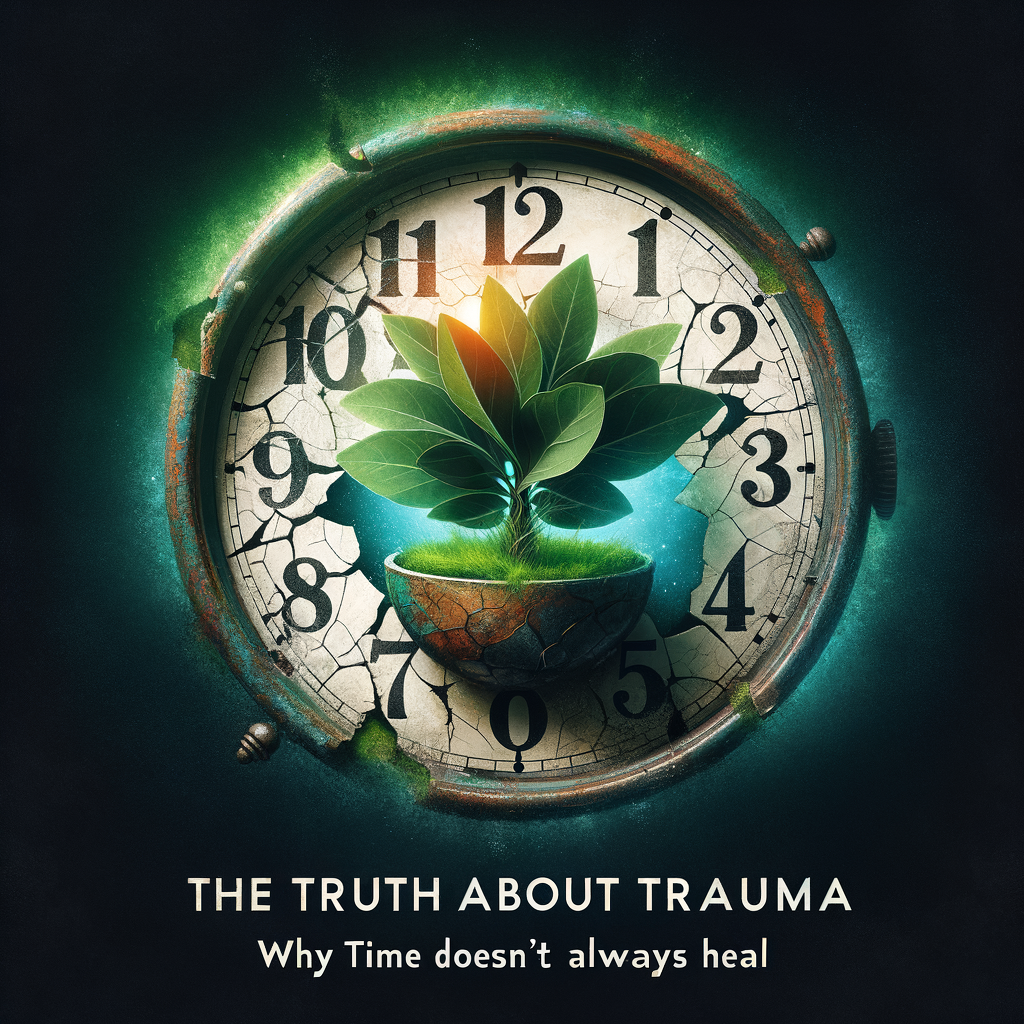
The Truth About Trauma: Why Time Doesn’t Always Heal Trauma is a complex and multifaceted experience that can have a profound impact on an individual’s life. It can result from a single event, such as a car accident or a natural disaster, or from ongoing experiences, such as childhood abuse or domestic violence. Trauma can affect a person’s mental, emotional, and physical health, and it can have long-lasting effects that persist for years or even decades. One common misconception about trauma is that time heals all wounds. While it is true that the passage of time can help to lessen the intensity of traumatic memories and emotions, it is not always enough to fully heal from trauma. In fact, for many people, time alone is not enough to overcome the effects of trauma. This is because trauma can become deeply ingrained in a person’s psyche, affecting their thoughts, feelings, and behaviors in ways that are difficult to change without professional help. Therapy can play a crucial role in the healing process for individuals who have experienced trauma. A trained therapist can help a person to process their traumatic experiences in a safe and supportive environment. They can provide tools and techniques for managing the symptoms of trauma, such as flashbacks, nightmares, and anxiety. They can also help a person to develop coping strategies for dealing with the ongoing effects of trauma, such as difficulty trusting others or feeling disconnected from their emotions. One of the most effective forms of therapy for trauma is cognitive-behavioral therapy (CBT). CBT is a type of therapy that focuses on changing negative thought patterns and behaviors that are associated with trauma. It can help a person to identify and challenge the beliefs that are keeping them stuck in a cycle of trauma-related symptoms. CBT can also help a person to develop new, healthier ways of thinking and behaving that can lead to lasting change. Another form of therapy that can be helpful for individuals who have experienced trauma is eye movement desensitization and reprocessing (EMDR). EMDR is a type of therapy that uses bilateral stimulation, such as eye movements or tapping, to help a person process traumatic memories. It is based on the idea that traumatic memories are stored differently in the brain than other types of memories, and that bilateral stimulation can help to reprocess these memories in a way that reduces their emotional impact. In addition to CBT and EMDR, there are many other forms of therapy that can be helpful for individuals who have experienced trauma. These include somatic therapies, which focus on the connection between the mind and body, and narrative therapies, which help a person to reframe their traumatic experiences in a way that is empowering and healing. Ultimately, the healing process for trauma is different for everyone. Some people may find that they are able to heal relatively quickly with the help of therapy, while others may need ongoing support for years or even a lifetime. The important thing to remember is that healing from trauma is possible, and that therapy can be an invaluable tool in that process. With the right support and resources, individuals who have experienced trauma can move forward and lead fulfilling and meaningful lives.





Comments