

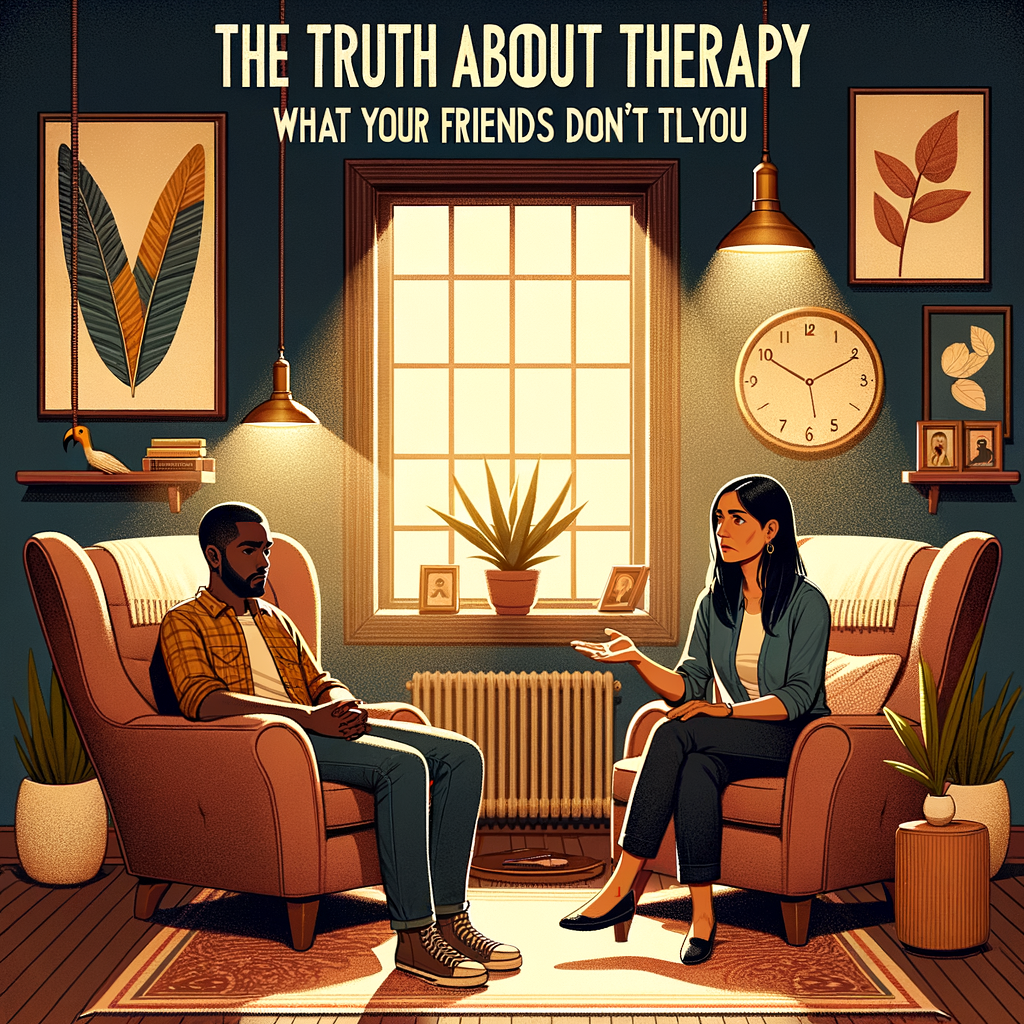
The Truth About Therapy: What Your Friends Don’t Tell You
Table of Contents
Introduction
The Truth About Therapy: What Your Friends Don’t Tell You is an informative guide that aims to shed light on the realities of therapy that are often not discussed openly. It delves into the misconceptions, stigmas, and unspoken truths about the therapeutic process, providing readers with a deeper understanding of what to expect and how to navigate their own mental health journey. This introduction serves as a starting point for anyone considering therapy or wanting to learn more about it beyond the surface-level conversations.The Stigma Surrounding Therapy: Debunking Common Myths
The Truth About Therapy: What Your Friends Don’t Tell You Therapy has long been stigmatized in our society, with many people believing that seeking help for mental health issues is a sign of weakness or failure. However, this couldn’t be further from the truth. In reality, therapy is a powerful tool that can help individuals overcome a wide range of challenges and improve their overall well-being. One of the most common myths surrounding therapy is that it’s only for people with severe mental health issues. This misconception can prevent individuals from seeking help when they need it, as they may feel that their problems aren’t “serious enough” to warrant professional intervention. In reality, therapy can be beneficial for anyone who is struggling with stress, anxiety, depression, relationship issues, or any other challenge that is impacting their quality of life. Another myth is that therapy is a quick fix for mental health issues. Many people believe that they will see immediate results after just a few sessions, but this is not always the case. Therapy is a process that takes time and effort, and it often requires individuals to confront difficult emotions and experiences. However, with the guidance of a trained therapist, individuals can learn coping strategies and develop new perspectives that can lead to lasting change. Some people also believe that therapy is only for those who can’t handle their problems on their own. This is a harmful misconception that can prevent individuals from seeking the help they need. In reality, therapy is a sign of strength, as it takes courage to confront one’s issues and work towards a better future. Additionally, therapy provides a safe and supportive space for individuals to explore their thoughts and feelings, which can be incredibly beneficial for personal growth and self-awareness. Another common myth is that therapy is expensive and only accessible to those with financial means. While it’s true that therapy can be costly, there are many options available for those who cannot afford traditional therapy. Many therapists offer sliding scale fees based on income, and there are also low-cost or free community mental health services available. Additionally, some insurance plans cover therapy, making it more accessible to a wider range of individuals. Finally, there is a misconception that therapy is a one-size-fits-all approach. In reality, there are many different types of therapy, each with its own unique approach and techniques. Some individuals may benefit from cognitive-behavioral therapy, which focuses on changing negative thought patterns, while others may prefer psychodynamic therapy, which explores the unconscious mind and past experiences. A trained therapist can help individuals determine the best approach for their specific needs and goals. In conclusion, therapy is a valuable resource that can help individuals overcome a wide range of challenges and improve their overall well-being. By debunking the common myths surrounding therapy, we can break down the stigma and encourage more people to seek the help they need. Whether you’re struggling with stress, anxiety, depression, or any other issue, therapy can provide the support and guidance you need to move forward and live a happier, healthier life.The Emotional Rollercoaster: Navigating the Ups and Downs of Therapy
The Truth About Therapy: What Your Friends Don’t Tell You Therapy is often portrayed as a straightforward process where individuals seek help from a professional, talk about their problems, and leave feeling better. However, the reality is that therapy can be an emotional rollercoaster, with ups and downs that can be difficult to navigate. While friends may share their positive experiences with therapy, they may not always disclose the challenges they faced along the way. One of the most significant challenges of therapy is confronting difficult emotions and past traumas. It can be incredibly painful to delve into past experiences that have caused emotional pain, and it is not uncommon for individuals to feel worse before they feel better. This is because therapy often involves breaking down defense mechanisms and coping strategies that have been developed over time to protect oneself from emotional pain. As these defenses are dismantled, individuals may feel vulnerable and exposed, leading to increased emotional distress. Another challenge of therapy is the process of change. Change is never easy, and it can be particularly difficult when it involves altering deeply ingrained patterns of behavior and thought. Individuals may resist change, even when they know it is necessary for their well-being. This resistance can manifest in various ways, such as missing appointments, being unresponsive in sessions, or even terminating therapy prematurely. It is important to recognize that resistance is a normal part of the therapeutic process and to work with a therapist to overcome it. Therapy can also be an emotional rollercoaster because of the ups and downs of progress. There may be times when individuals feel like they are making significant strides in their personal growth, only to experience a setback that leaves them feeling discouraged. It is important to remember that progress is not always linear, and setbacks are a normal part of the journey. It is also important to celebrate small victories and to recognize that even the smallest steps forward are significant. The therapeutic relationship itself can also contribute to the emotional rollercoaster of therapy. The relationship between a therapist and a client is unique and can be incredibly powerful. It is a relationship built on trust, vulnerability, and a shared commitment to the client’s well-being. However, this relationship can also be a source of emotional turmoil, particularly if there are ruptures in the therapeutic alliance. It is important to address any issues that arise in the therapeutic relationship and to work through them with the therapist. In conclusion, therapy is not always the smooth and straightforward process that it is often portrayed to be. It can be an emotional rollercoaster, with ups and downs that can be difficult to navigate. However, it is important to remember that the challenges of therapy are a normal part of the process and that they can ultimately lead to significant personal growth and healing. It is also important to have a supportive network of friends and family who can provide encouragement and understanding along the way. With persistence and a commitment to the process, individuals can overcome the challenges of therapy and emerge stronger and more resilient.





Comments