

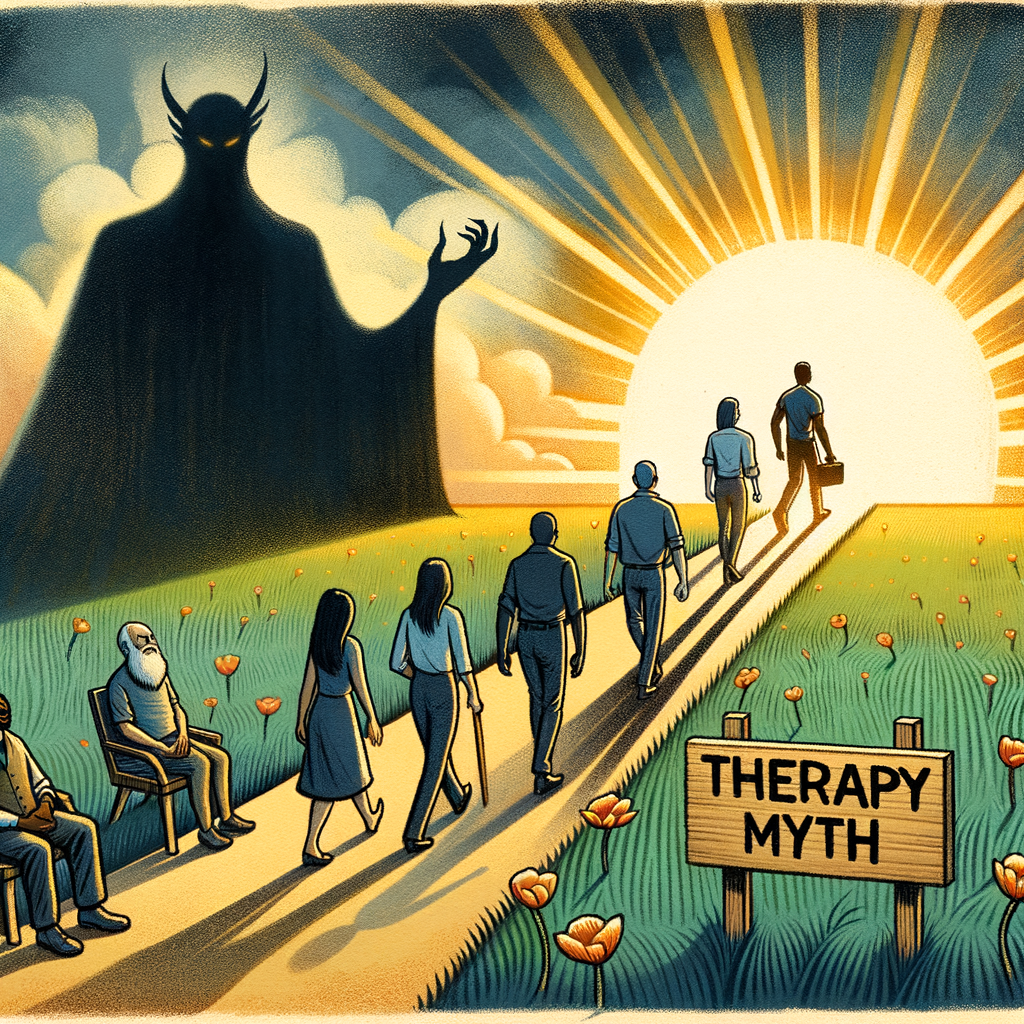
The Therapy Myth That’s Holding You Back from True Happiness
Table of Contents
Introduction
The therapy myth that’s holding you back from true happiness is the belief that therapy is only for those with severe mental health issues or that it is a sign of weakness. This misconception can prevent individuals from seeking the help they need to improve their mental well-being and achieve true happiness. Therapy can be beneficial for anyone looking to better understand themselves, work through personal challenges, and develop coping strategies for life’s difficulties. It is a valuable tool for personal growth and self-improvement, and should not be stigmatized or seen as a last resort.Debunking The Myth That Therapy Is Only For The Mentally Ill
The Therapy Myth That’s Holding You Back from True Happiness For many years, therapy has been stigmatized as a treatment reserved only for those with severe mental illnesses. This misconception has prevented countless individuals from seeking the help they need to achieve true happiness. The reality is that therapy can benefit anyone, regardless of their mental health status. It’s time to debunk the myth that therapy is only for the mentally ill and explore how it can help individuals lead more fulfilling lives. Therapy is a powerful tool for personal growth and self-discovery. It provides a safe and supportive environment for individuals to explore their thoughts, feelings, and behaviors. Through therapy, individuals can gain insight into their patterns of behavior and learn new coping strategies to manage stress and improve their overall well-being. It’s not just for those with diagnosed mental health conditions, but for anyone who wants to improve their quality of life. One of the biggest misconceptions about therapy is that it’s a sign of weakness. In reality, seeking therapy is a sign of strength. It takes courage to confront your issues and work towards positive change. Therapy is not about dwelling on the past or blaming others for your problems. It’s about taking control of your life and making the necessary changes to achieve true happiness. Another myth that holds people back from seeking therapy is the belief that it’s only for those who can’t handle their problems on their own. This couldn’t be further from the truth. Therapy is not about dependency, it’s about empowerment. It provides individuals with the tools and support they need to overcome their challenges and become more self-reliant. Therapy is also not a one-size-fits-all solution. There are many different types of therapy, each with its own unique approach and techniques. Some individuals may benefit from cognitive-behavioral therapy, which focuses on changing negative thought patterns and behaviors. Others may find success with psychodynamic therapy, which explores the unconscious mind and past experiences. The key is to find the right type of therapy that works for you. It’s important to remember that therapy is not a quick fix. It takes time and effort to see results. However, the benefits of therapy are long-lasting and can have a profound impact on your life. Through therapy, individuals can learn to manage their emotions, improve their relationships, and achieve a greater sense of self-awareness. In conclusion, the myth that therapy is only for the mentally ill is holding many people back from achieving true happiness. Therapy is a valuable resource for anyone looking to improve their mental health and well-being. It’s time to break down the stigma surrounding therapy and recognize it as a tool for personal growth and self-improvement. If you’re struggling with any aspect of your life, don’t hesitate to seek the help of a therapist. It could be the first step towards a happier and more fulfilling life.The Truth About Therapy: How It Can Lead To A Happier Life

The Therapy Myth That’s Holding You Back from True Happiness For many people, the idea of therapy conjures up images of lying on a couch, pouring out their deepest, darkest secrets to a stranger. It’s seen as a last resort, something to turn to when all else has failed. But this perception of therapy is not only outdated, it’s also harmful. It perpetuates the myth that therapy is only for those who are weak or broken, and it prevents countless individuals from seeking the help they need to lead happier, more fulfilling lives. The truth is, therapy is not just for those who are struggling with mental illness or severe emotional distress. It’s for anyone who wants to improve their mental and emotional well-being. Whether you’re dealing with stress, anxiety, depression, or simply feeling stuck in a rut, therapy can provide the tools and support you need to overcome these challenges and live a more satisfying life. One of the biggest misconceptions about therapy is that it’s a passive process, where the therapist does all the work and the client simply sits back and listens. In reality, therapy is a collaborative effort. The therapist and client work together to identify goals, develop strategies, and track progress. It’s an active, dynamic process that requires effort and commitment from both parties. Another myth that holds people back from seeking therapy is the belief that it’s a sign of weakness. This couldn’t be further from the truth. It takes a great deal of strength and courage to confront your issues head-on and take steps to improve your mental health. In fact, many people find that therapy helps them build resilience and develop coping skills that they can use throughout their lives. Therapy can also be incredibly empowering. It provides a safe, non-judgmental space where you can explore your thoughts and feelings without fear of criticism or rejection. This can be especially valuable for those who have experienced trauma or have been marginalized in some way. Therapy can help you reclaim your voice and your power, and it can give you the confidence to make positive changes in your life. Of course, therapy is not a magic cure-all. It takes time and effort to see results, and there may be setbacks along the way. But for those who are willing to put in the work, the rewards can be life-changing. Many people find that therapy helps them develop a deeper understanding of themselves and their relationships, and it can lead to greater self-awareness and self-compassion. In conclusion, the myth that therapy is only for the weak or broken is holding many people back from true happiness. The reality is that therapy is a valuable tool for anyone who wants to improve their mental and emotional well-being. It’s an active, collaborative process that requires effort and commitment, but the rewards can be well worth it. If you’re considering therapy, don’t let outdated perceptions hold you back. Take the first step towards a happier, more fulfilling life today.





Comments