

The Surprising Way Your Socks Affect Your Yoga Practice
Table of Contents
Introduction
The practice of yoga is often associated with mindfulness, flexibility, and balance. However, many people may not realize the impact that their choice of socks can have on their yoga practice. The type of socks you wear can affect your stability, comfort, and overall performance during yoga. In this introduction, we will explore the surprising ways in which socks can influence your yoga practice and how choosing the right pair can enhance your experience on the mat.The Impact of Sock Material on Yoga Performance
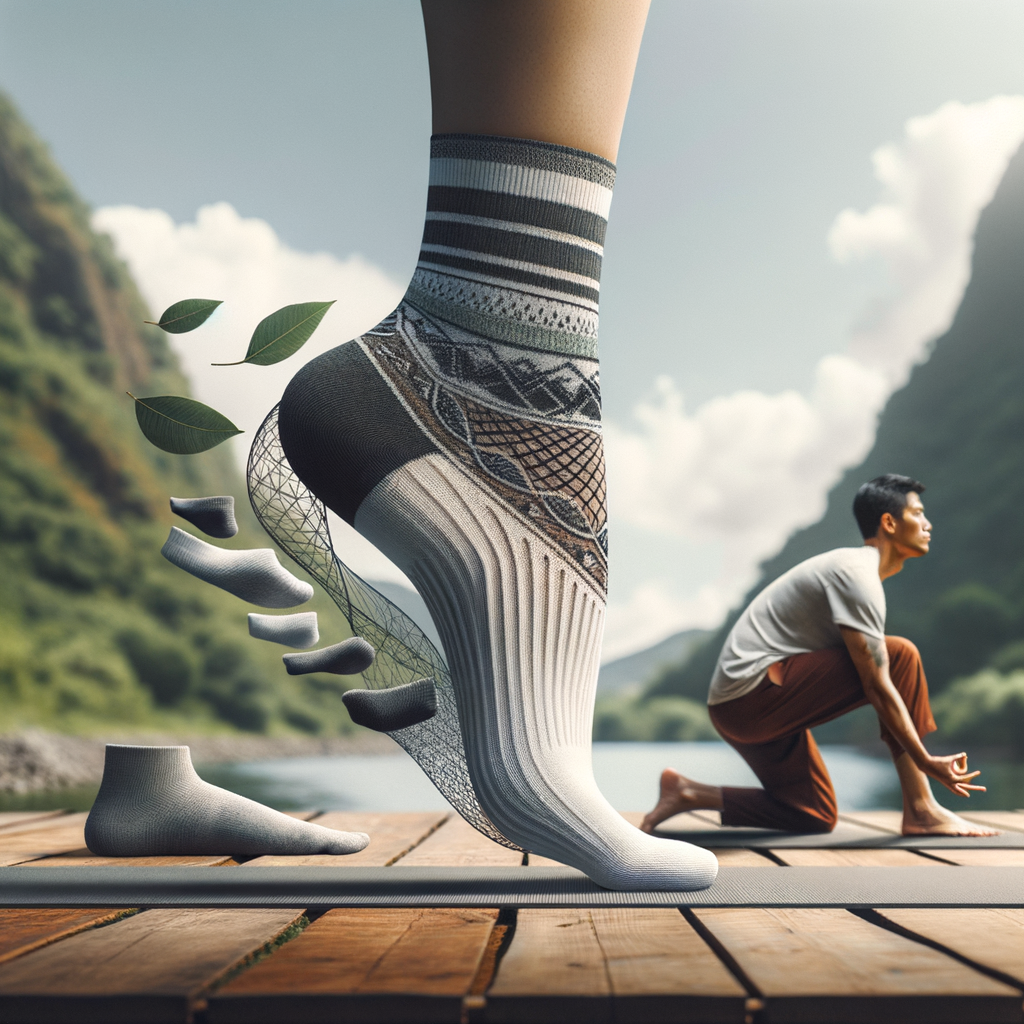
The Surprising Way Your Socks Affect Your Yoga Practice When it comes to yoga, most people focus on the mat, the poses, and their breath. However, there is one often overlooked aspect that can significantly impact your practice: your socks. The material of your socks can affect your grip, comfort, and overall performance during yoga. In this article, we will explore the impact of sock material on yoga performance and how choosing the right socks can enhance your practice. Firstly, the material of your socks can affect your grip on the mat. Cotton socks, for example, can become slippery when they absorb sweat, making it difficult to maintain poses and balance. On the other hand, socks made from synthetic materials such as polyester or nylon can provide better grip as they wick away moisture, keeping your feet dry and stable on the mat. Additionally, some yoga socks are designed with non-slip grips on the bottom, providing extra traction and stability during practice. Furthermore, the material of your socks can also affect your comfort during yoga. Natural fibers such as cotton or wool can provide warmth and cushioning, making them ideal for slower, restorative practices or for practicing in colder environments. However, these materials can also become heavy and uncomfortable when they absorb sweat. Synthetic materials, on the other hand, are lightweight and breathable, making them more comfortable for more vigorous practices or in warmer environments. Moreover, the material of your socks can impact your overall performance during yoga. Socks that are too thick or bulky can restrict movement and make it difficult to feel the mat beneath your feet, reducing your ability to engage your muscles fully and maintain proper alignment. On the other hand, socks that are too thin may not provide enough cushioning or support, leading to discomfort or even injury. Therefore, it is essential to find a balance between thickness and flexibility when choosing socks for yoga. In addition to the material, the fit of your socks can also affect your yoga practice. Socks that are too loose can bunch up and cause discomfort, while socks that are too tight can restrict circulation and movement. It is essential to find socks that fit snugly but comfortably, allowing for a full range of motion without any discomfort. In conclusion, the material of your socks can have a surprising impact on your yoga practice. The right socks can provide grip, comfort, and support, enhancing your performance and overall experience. When choosing socks for yoga, consider the material, thickness, and fit to ensure that they meet your needs and preferences. Whether you prefer natural fibers for warmth and cushioning or synthetic materials for breathability and grip, the right socks can make all the difference in your practice. So next time you step onto the mat, don’t forget to give some thought to your socks – they may just be the key to a more successful and enjoyable yoga practice.How Sock Fit Can Enhance or Hinder Yoga Poses
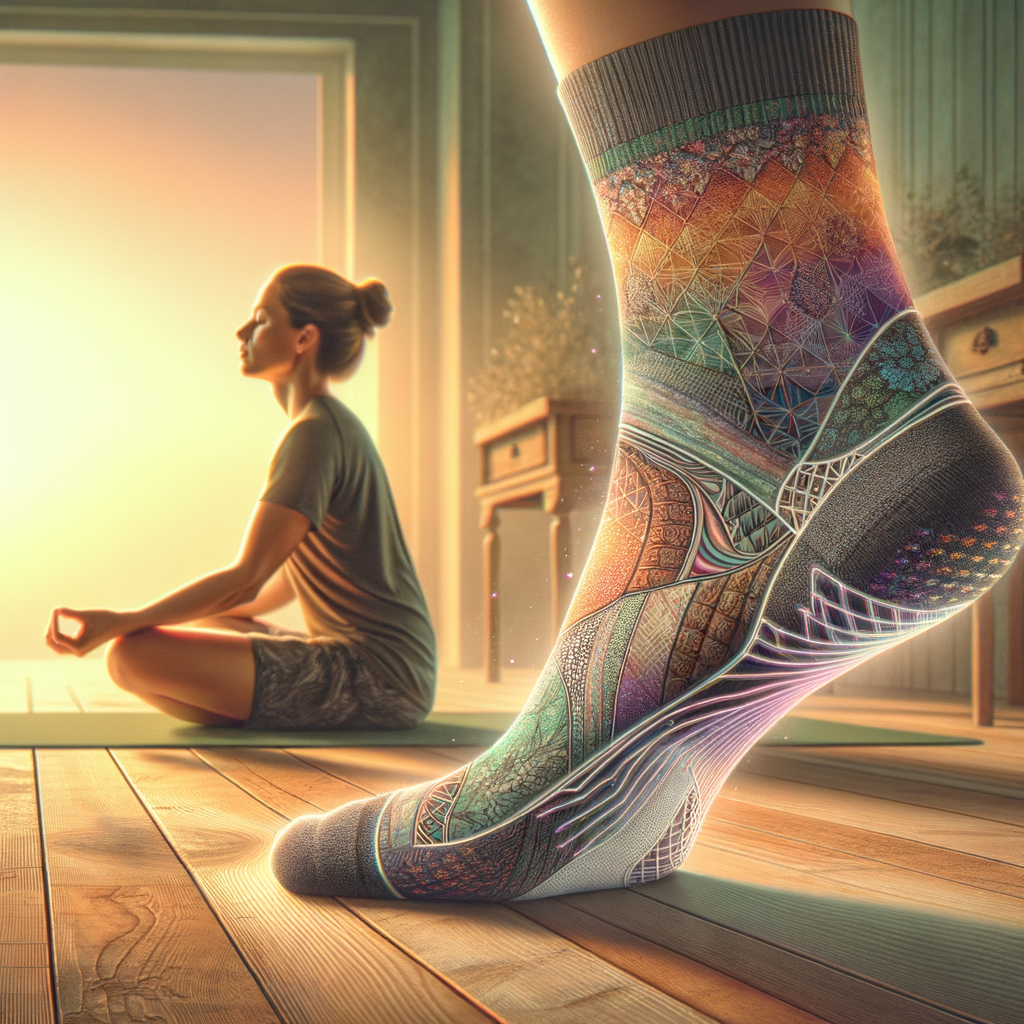
The Surprising Way Your Socks Affect Your Yoga Practice When it comes to yoga, most people focus on the mat, the poses, and their breath. However, there is one often overlooked aspect that can greatly impact your practice: your socks. The fit of your socks can either enhance or hinder your yoga poses, and it’s important to understand why. Firstly, the right pair of socks can provide extra grip and stability during your practice. This is especially important for poses that require balance and precision, such as tree pose or warrior III. Socks with grip on the bottom can help prevent slipping and sliding on the mat, allowing you to hold poses for longer and with more confidence. On the other hand, socks that are too loose or too tight can be a hindrance. Loose socks can bunch up and cause discomfort, while tight socks can restrict blood flow and movement. This can lead to a lack of focus and an inability to fully engage in your practice. Additionally, the material of your socks can also play a role in your yoga practice. Breathable, moisture-wicking materials can help keep your feet dry and comfortable, while thicker, warmer socks can be beneficial for slower, restorative practices. It’s important to choose the right material for the type of yoga you are practicing and the temperature of the room. Furthermore, the fit of your socks can also affect your alignment in poses. Socks that are too big can cause your feet to slide around inside them, leading to improper alignment and potential injury. On the other hand, socks that fit snugly can help keep your feet in the correct position, allowing for better alignment and a more effective practice. It’s also worth noting that some yoga practitioners prefer to practice without socks at all. This allows for a greater connection to the mat and a more natural range of motion. However, for those who prefer to wear socks, it’s important to find a pair that fits well and provides the necessary support and stability. In conclusion, the fit of your socks can greatly impact your yoga practice. The right pair of socks can provide extra grip, stability, and comfort, while the wrong pair can hinder your poses and alignment. It’s important to choose socks that fit well, are made of the right material, and provide the necessary support for your practice. So next time you step onto your mat, don’t forget to consider the surprising way your socks can affect your yoga practice.





Comments