

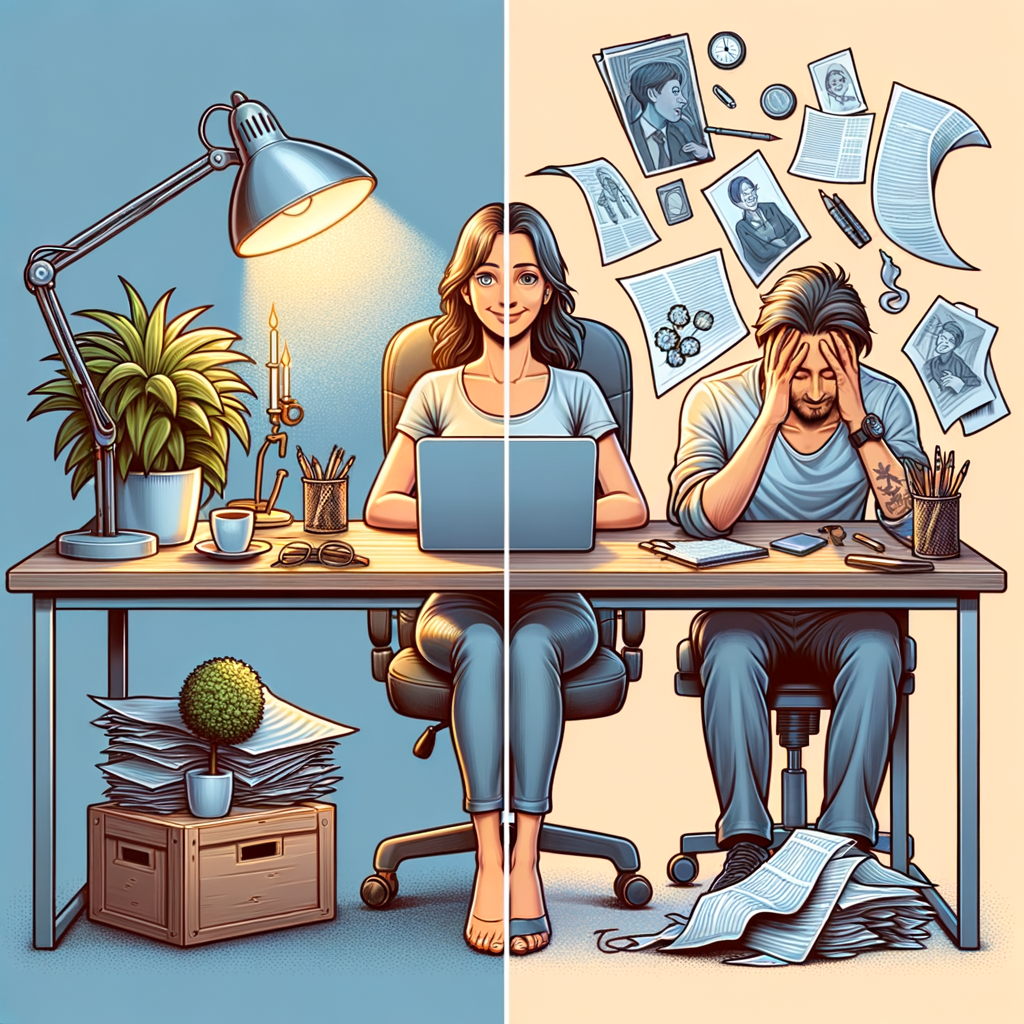
The Surprising Way Your Desk Setup Impacts Your Mental Health
Table of Contents
Introduction
The way your desk is set up can have a significant impact on your mental health. Research has shown that a cluttered and disorganized workspace can lead to increased stress and anxiety, while a clean and organized desk can improve focus and productivity. Additionally, factors such as lighting, ergonomics, and personalization can also affect your mental well-being. It’s important to consider the layout and design of your desk to create a positive and healthy work environment.The Psychological Effects of Desk Clutter on Your Well-being
The Surprising Way Your Desk Setup Impacts Your Mental Health The state of our work environment can have a profound impact on our mental health and well-being. While we may not give much thought to the setup of our desks, research has shown that the way we organize our workspace can significantly affect our mood, productivity, and overall mental health. In particular, desk clutter has been found to have a range of psychological effects that can negatively impact our well-being. Cluttered desks can lead to increased stress and anxiety. When our workspace is disorganized, it can be difficult to find important documents or items, leading to frustration and a sense of being overwhelmed. This can result in a heightened stress response, which over time can have detrimental effects on our mental health. Chronic stress has been linked to a range of mental health issues, including depression and anxiety disorders. Moreover, a cluttered desk can also impact our ability to focus and concentrate. When we are surrounded by clutter, our brains have to work harder to filter out irrelevant stimuli, which can be mentally exhausting. This can lead to decreased productivity and a sense of being unable to accomplish tasks, which can further contribute to feelings of stress and anxiety. In addition to the impact on stress and productivity, desk clutter can also affect our self-esteem and self-worth. A messy workspace can be a reflection of our internal state, and when we are unable to keep our environment organized, it can lead to feelings of inadequacy and self-doubt. This can be particularly damaging for individuals who already struggle with low self-esteem or self-worth. Furthermore, a cluttered desk can also impact our relationships with colleagues and superiors. When our workspace is disorganized, it can give the impression that we are disorganized and unreliable, which can negatively impact our professional reputation. This can lead to strained relationships and a lack of trust from colleagues and superiors, which can further contribute to feelings of stress and anxiety. On the other hand, a clean and organized desk can have a positive impact on our mental health. When our workspace is tidy, it can lead to a sense of control and order, which can reduce stress and anxiety. A clean desk can also improve our ability to focus and concentrate, leading to increased productivity and a sense of accomplishment. Additionally, an organized workspace can improve our self-esteem and self-worth, as it reflects our ability to manage our environment effectively. In conclusion, the setup of our desks can have a significant impact on our mental health and well-being. Desk clutter can lead to increased stress, anxiety, and decreased productivity, while a clean and organized workspace can have the opposite effect. It is important to take the time to organize our desks and create a work environment that supports our mental health and well-being. By doing so, we can improve our mood, productivity, and overall quality of life.How Ergonomic Desk Design Can Reduce Stress and Improve Focus

The Surprising Way Your Desk Setup Impacts Your Mental Health In today’s fast-paced world, it’s easy to overlook the impact that our physical environment can have on our mental health. However, research has shown that the way we set up our desks can have a significant impact on our stress levels and ability to focus. Ergonomic desk design is an important consideration for anyone looking to improve their mental well-being while working. Ergonomics is the study of how people interact with their environment, and it aims to design products and spaces that are comfortable, efficient, and safe. When it comes to desk design, ergonomics focuses on creating a workspace that promotes good posture, reduces strain on the body, and allows for easy access to necessary tools and equipment. One of the key components of an ergonomic desk setup is the chair. A good ergonomic chair should provide proper support for the lower back, encourage good posture, and be adjustable to fit the individual’s body. When sitting in an ergonomic chair, the feet should be flat on the floor, and the knees should be at a 90-degree angle. This position helps to reduce strain on the back and legs, which can lead to discomfort and fatigue. Another important aspect of ergonomic desk design is the placement of the computer monitor. The monitor should be at eye level, so that the user does not have to strain their neck or eyes to see the screen. This can help to reduce headaches and eye strain, which are common complaints among office workers. In addition to the physical benefits of ergonomic desk design, there are also mental health benefits. A well-designed workspace can help to reduce stress by making it easier to stay organized and focused. When everything is within easy reach, and the workspace is comfortable, it’s easier to stay on task and avoid feeling overwhelmed. Furthermore, a cluttered and disorganized desk can contribute to feelings of anxiety and stress. By creating a clean and organized workspace, individuals can reduce the mental clutter that can make it difficult to focus and be productive. In addition to the physical layout of the desk, the aesthetic design can also impact mental health. A workspace that is visually appealing, with plants, artwork, or other personal touches, can help to create a calming and inspiring environment. This can lead to increased creativity and job satisfaction. Overall, the way we set up our desks can have a significant impact on our mental health. By incorporating ergonomic design principles, we can create a workspace that is comfortable, efficient, and conducive to good mental well-being. Whether you work from home or in an office, taking the time to create an ergonomic desk setup can pay off in reduced stress and improved focus. So next time you’re feeling overwhelmed at work, take a look at your desk setup and consider making some changes. It might just be the key to a happier, healthier work life.





Comments