

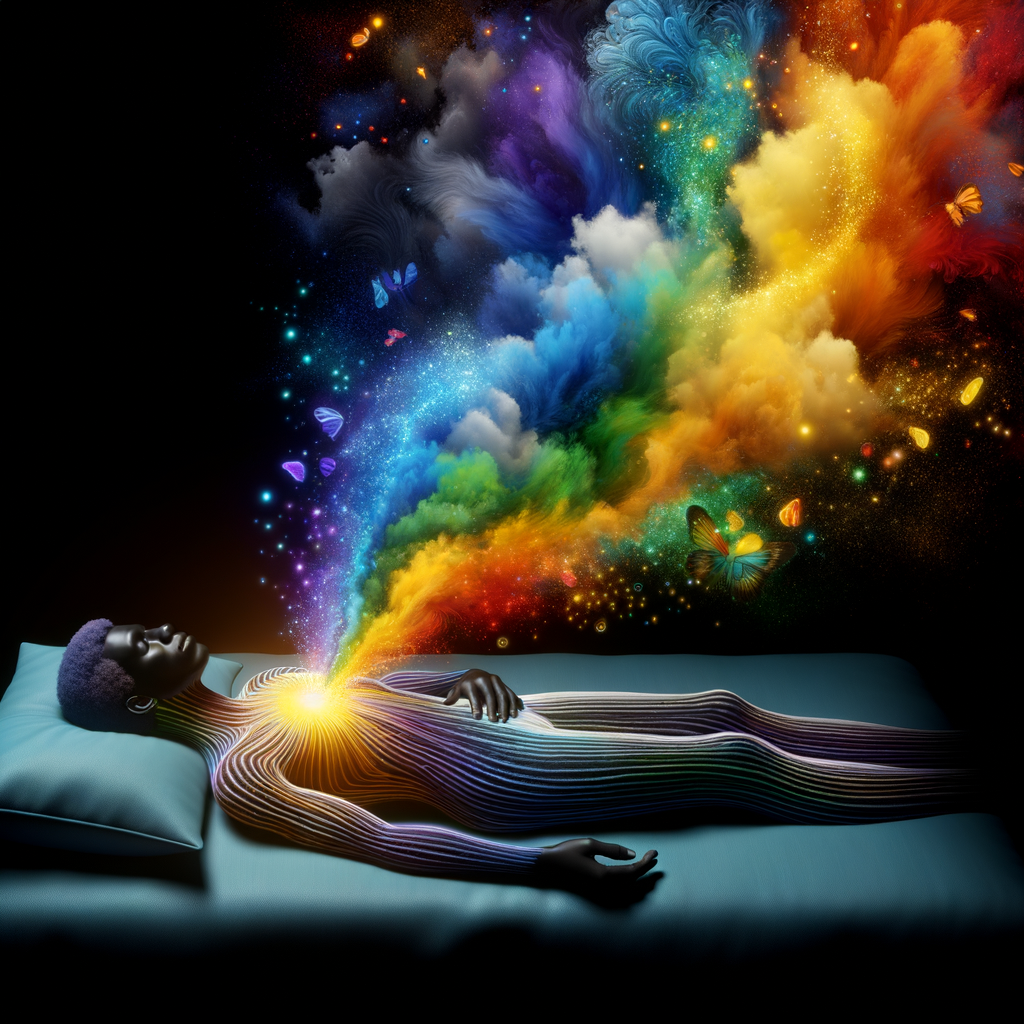
The Surprising Link Between Color Therapy and Stress Relief
Table of Contents
Introduction
Color therapy, also known as chromotherapy, is an alternative healing method that uses the visible spectrum of light and color to affect a person’s mood and physical or mental health. It is based on the idea that colors have different wavelengths and frequencies, which can impact the energy and balance within our bodies. Research has shown that certain colors can have a calming effect on the mind and body, leading to stress relief and improved overall well-being. This therapy is often used in conjunction with other holistic practices, such as meditation and aromatherapy, to enhance its effects. The surprising link between color therapy and stress relief lies in the ability of colors to influence our emotions and physiological responses, providing a non-invasive and natural way to manage stress and promote relaxation.The Science Behind Color Therapy and Its Impact on Stress Levels
Color therapy, also known as chromotherapy, is an alternative healing method that uses color and light to balance energy in the body. It is based on the idea that different colors have different frequencies and wavelengths, which can affect our physical and emotional well-being. While it may seem like a new-age concept, color therapy has been used for centuries in various cultures around the world. In recent years, there has been a growing interest in the potential of color therapy as a tool for stress relief. Stress is a common problem in today’s fast-paced world, and it can have a significant impact on our health and well-being. Chronic stress can lead to a range of physical and mental health issues, including anxiety, depression, and even heart disease. Finding effective ways to manage stress is crucial for maintaining a healthy and balanced life. One of the ways that color therapy can help with stress relief is by promoting relaxation. Certain colors, such as blue and green, are known for their calming effects. These colors are often associated with nature and can help to create a sense of tranquility and peace. By surrounding ourselves with these colors, we can create a more relaxing environment that can help to reduce stress levels. Another way that color therapy can help with stress relief is by boosting our mood. Bright and vibrant colors, such as yellow and orange, are known for their energizing and uplifting effects. These colors can help to improve our mood and increase our motivation, which can be helpful in managing stress. By incorporating these colors into our daily lives, we can create a more positive and energized atmosphere that can help to reduce feelings of stress and anxiety. Color therapy can also be used to balance the energy in our bodies. According to the principles of color therapy, each color corresponds to a specific energy center, or chakra, in the body. By using colors that correspond to the chakras that are out of balance, we can help to restore harmony and balance in the body. This can help to reduce stress levels and promote overall well-being. While the science behind color therapy is still being explored, there is evidence to suggest that it can have a positive impact on stress levels. Studies have shown that exposure to certain colors can affect our physiological responses, including heart rate and blood pressure. This suggests that color therapy may have a direct impact on our physical health and can be an effective tool for stress relief. In conclusion, color therapy is a promising tool for managing stress levels. By using colors to promote relaxation, boost mood, and balance energy in the body, we can create a more positive and balanced environment that can help to reduce stress. While more research is needed to fully understand the science behind color therapy, it is clear that it has the potential to be a valuable addition to our stress management toolkit. Whether it’s through the colors we choose to wear, the colors we surround ourselves with in our homes, or the colors we use in our daily lives, incorporating color therapy into our lives can be a simple and effective way to reduce stress and improve our overall well-being.How to Incorporate Color Therapy into Your Daily Routine for Stress Relief
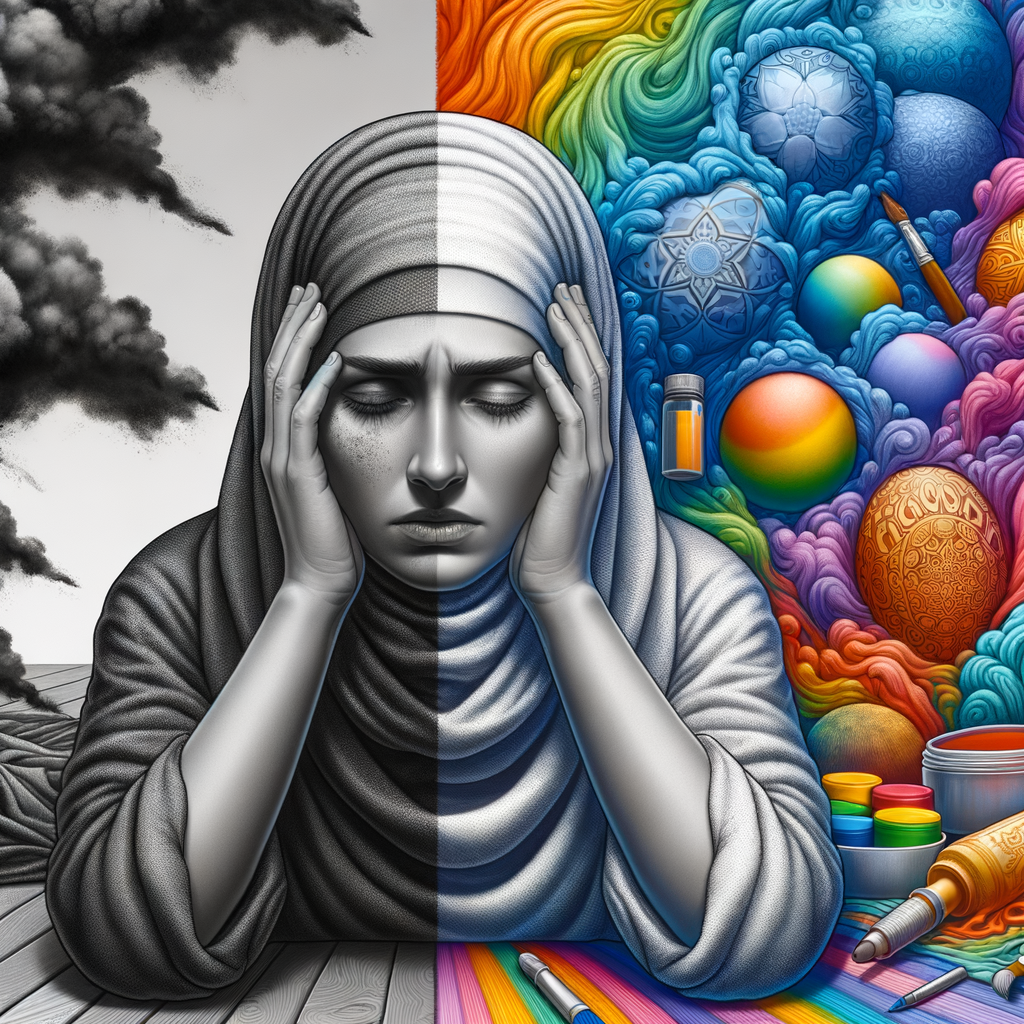
The Surprising Link Between Color Therapy and Stress Relief Color therapy, also known as chromotherapy, is an alternative healing method that uses color and light to balance energy in the body. It is based on the idea that different colors have different frequencies and wavelengths, which can affect our physical and emotional well-being. While color therapy has been used for centuries in various cultures, it has recently gained popularity as a stress relief technique. Stress is a common problem in today’s fast-paced world, and it can have a significant impact on our health and quality of life. Chronic stress can lead to a range of physical and mental health issues, including anxiety, depression, and even heart disease. Finding effective ways to manage stress is essential for maintaining overall well-being. Color therapy can be a simple and effective way to reduce stress and promote relaxation. Different colors are believed to have different effects on the body and mind. For example, blue is often associated with calmness and tranquility, while green is thought to promote balance and harmony. Red, on the other hand, is believed to stimulate energy and increase circulation. Incorporating color therapy into your daily routine can be as simple as choosing the right colors for your environment. For example, painting your bedroom walls a soothing shade of blue or green can create a calming atmosphere that promotes relaxation and better sleep. Similarly, wearing clothing in these colors can help you feel more relaxed and centered throughout the day. Another way to incorporate color therapy into your routine is through the use of colored lights. Many people find that using a blue or green light bulb in their bedroom or office helps to create a calming environment. You can also use colored light bulbs in your bathroom to create a spa-like atmosphere that promotes relaxation. In addition to using color in your environment, you can also use color visualization techniques to reduce stress. This involves closing your eyes and visualizing a color that you find calming. For example, you might imagine yourself surrounded by a soft blue light, or walking through a lush green forest. This can help to calm your mind and reduce feelings of stress and anxiety. Color therapy can also be incorporated into other stress-relief techniques, such as meditation or yoga. For example, you might use a colored mat or props to enhance your practice, or focus on a specific color during your meditation. This can help to deepen your relaxation and promote a greater sense of well-being. In conclusion, color therapy can be a simple and effective way to reduce stress and promote relaxation. By incorporating the right colors into your environment, using colored lights, and practicing color visualization techniques, you can create a calming atmosphere that supports your overall well-being. Whether you are dealing with chronic stress or simply looking for ways to relax and unwind, color therapy can be a valuable tool in your stress-relief arsenal.





Comments