


The Startling Connection Between Posture and Self-Esteem
Table of Contents
Introduction
The Startling Connection Between Posture and Self-Esteem explores the often overlooked relationship between how we carry ourselves physically and how we perceive ourselves mentally. Research has shown that our posture not only affects how others perceive us, but also how we perceive ourselves. Good posture is associated with increased confidence, self-esteem, and overall well-being, while poor posture can lead to negative self-perception and decreased confidence. This introduction delves into the science behind this connection and the potential implications for personal development and mental health.The Impact of Poor Posture on Self-Confidence and Self-Worth
The Startling Connection Between Posture and Self-Esteem The way we carry ourselves can have a profound impact on our self-esteem and self-worth. Poor posture, characterized by slouching, rounded shoulders, and a forward head position, can negatively affect our confidence and how we perceive ourselves. On the other hand, good posture, where the spine is aligned, and the body is balanced, can enhance our self-esteem and make us feel more powerful and in control. Research has shown that there is a strong connection between posture and self-esteem. A study conducted by Ohio State University found that people who sat up straight reported higher self-esteem and mood levels than those who slouched. The researchers concluded that posture can influence our self-perception and how we feel about ourselves. Poor posture can also affect our body language, which is a critical component of communication. When we slouch, we send a message of low confidence and lack of assertiveness. This can impact how others perceive us and how we interact with them. On the other hand, good posture conveys confidence and assertiveness, which can lead to more positive interactions and better relationships. Furthermore, poor posture can lead to physical discomfort and pain, which can also affect our self-esteem. Chronic pain can make us feel weak and helpless, leading to a decrease in self-worth. Good posture, on the other hand, can help prevent pain and discomfort, allowing us to feel strong and capable. It is important to note that poor posture can be a result of various factors, including stress, fatigue, and lack of physical activity. It is not always a reflection of low self-esteem, but it can contribute to it. Therefore, it is essential to address the underlying causes of poor posture to improve our self-esteem and overall well-being. There are several ways to improve posture and, in turn, boost self-esteem. One way is to practice good posture habits, such as sitting up straight, keeping the shoulders back, and the head aligned with the spine. Another way is to engage in regular physical activity, which can help strengthen the muscles that support good posture. Additionally, mindfulness practices, such as yoga and meditation, can help reduce stress and improve body awareness, leading to better posture. In conclusion, the connection between posture and self-esteem is undeniable. Poor posture can negatively affect our self-confidence and self-worth, while good posture can enhance them. By addressing the underlying causes of poor posture and practicing good posture habits, we can improve our self-esteem and overall well-being. It is important to remember that our posture is not just about how we look, but also about how we feel about ourselves. By taking care of our posture, we are taking care of our self-esteem.How Correcting Your Posture Can Boost Your Self-Esteem
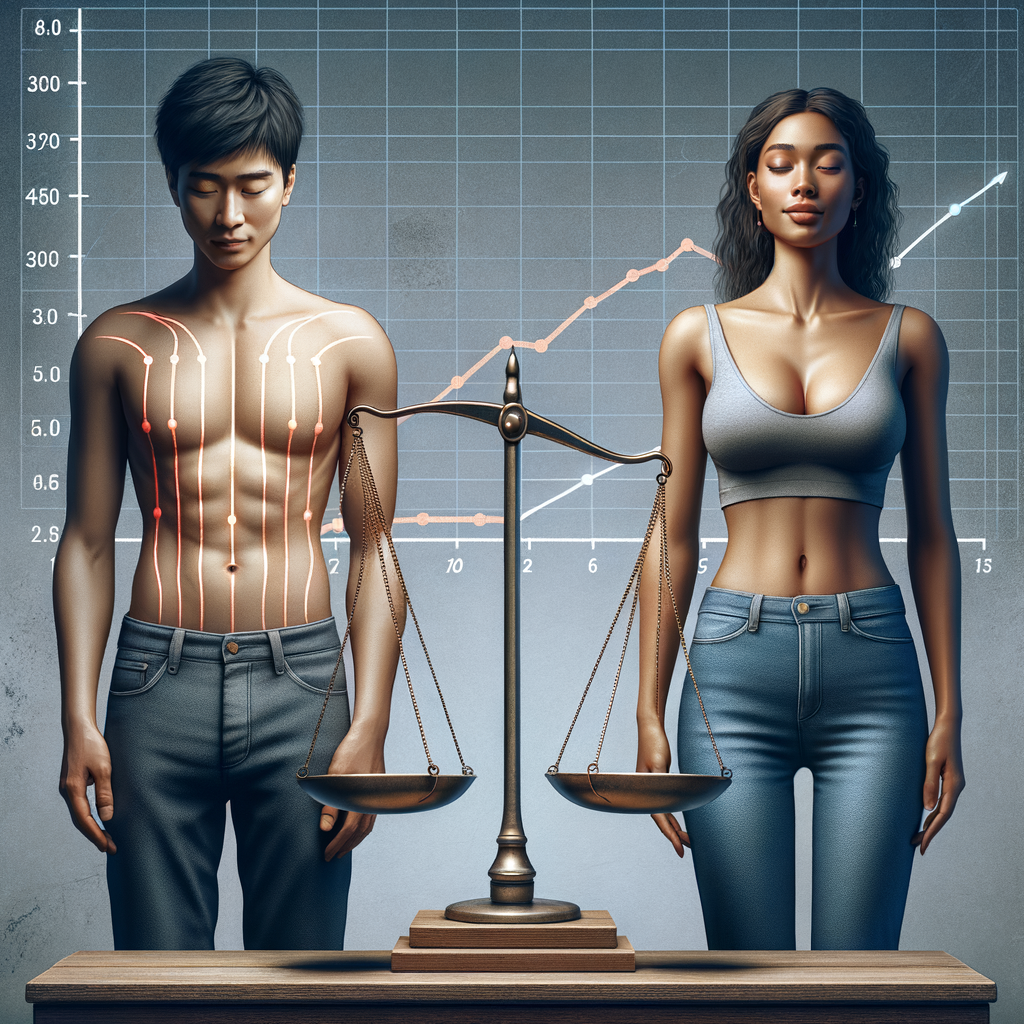
The Startling Connection Between Posture and Self-Esteem The way we carry ourselves can have a profound impact on our self-esteem. Our posture, the way we sit, stand, and walk, can influence how we feel about ourselves and how others perceive us. Poor posture can lead to a host of physical problems, but it can also affect our mental and emotional well-being. Conversely, correcting our posture can boost our self-esteem and improve our overall quality of life. Research has shown that there is a strong connection between posture and self-esteem. People with good posture tend to have higher self-esteem, while those with poor posture often have lower self-esteem. This is because our posture can affect our body language, which in turn can influence how we feel about ourselves. When we slouch or hunch over, we may feel less confident and more self-conscious. On the other hand, when we stand tall and sit up straight, we may feel more confident and self-assured. Good posture can also affect how others perceive us. When we stand tall and maintain good posture, we appear more confident and assertive. This can lead to more positive interactions with others, which can further boost our self-esteem. On the other hand, poor posture can make us appear less confident and less approachable, which can lead to negative interactions and further damage our self-esteem. Correcting our posture can have a significant impact on our self-esteem. When we make a conscious effort to improve our posture, we may notice an immediate boost in our confidence levels. This is because good posture can help us feel more in control of our bodies and our lives. It can also help us feel more present and engaged in our interactions with others, which can lead to more positive experiences and further boost our self-esteem. There are several ways to improve our posture. One of the most effective ways is to practice good posture habits throughout the day. This means sitting up straight, standing tall, and walking with purpose. It also means being mindful of our posture when we are engaged in activities such as working at a desk or using a smartphone. Taking regular breaks to stretch and move around can also help improve our posture and prevent stiffness and discomfort. Another way to improve our posture is to engage in regular exercise. Exercise can help strengthen the muscles that support good posture, such as the core, back, and shoulders. It can also help improve flexibility and reduce tension in the muscles that can contribute to poor posture. Activities such as yoga, Pilates, and strength training can be particularly effective in improving posture and boosting self-esteem. In conclusion, the connection between posture and self-esteem is clear. Poor posture can lead to low self-esteem, while good posture can boost our confidence and improve our overall well-being. By making a conscious effort to improve our posture, we can enhance our self-esteem and enjoy a more positive and fulfilling life. Whether through good posture habits, regular exercise, or a combination of both, taking care of our posture can have a profound impact on how we feel about ourselves and how we interact with the world around us.





Comments