

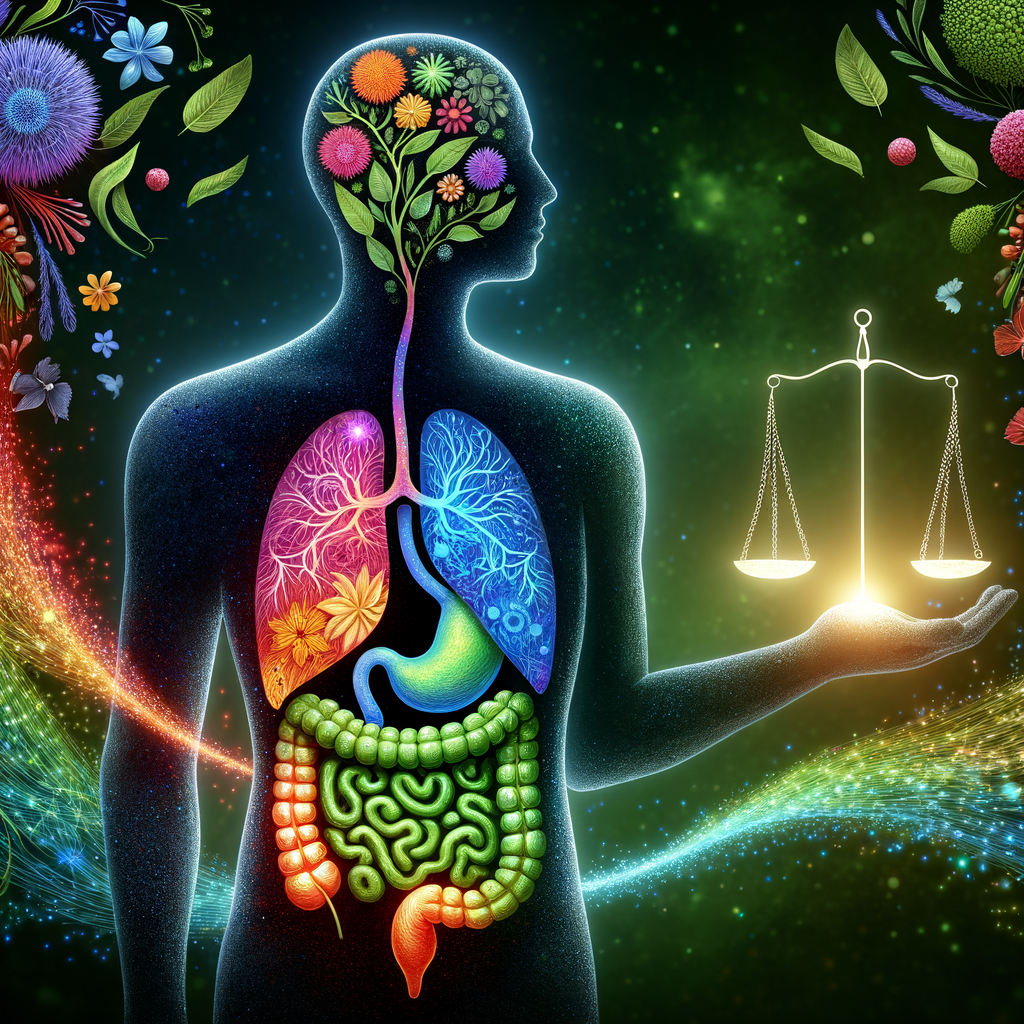
The Startling Connection Between Gut Health and Emotional Stability
Table of Contents
Introduction
The Startling Connection Between Gut Health and Emotional Stability explores the intricate link between the health of our digestive system and our emotional well-being. Recent research has uncovered that the gut and the brain are closely connected through the gut-brain axis, and the balance of bacteria in our gut can significantly impact our mood, stress levels, and overall mental health. This introduction delves into the science behind this connection and how maintaining a healthy gut can lead to improved emotional stability.The Surprising Link Between Gut Health and Mood Disorders
The Startling Connection Between Gut Health and Emotional Stability The human body is a complex system, and the gut is no exception. It is often referred to as the “second brain” due to its intricate connection with the central nervous system. Recent research has revealed a startling connection between gut health and emotional stability, suggesting that the state of our digestive system can have a profound impact on our mental health. The gut is home to trillions of microorganisms, collectively known as the gut microbiome. These microorganisms play a crucial role in digestion, nutrient absorption, and immune function. However, they also produce neurotransmitters, such as serotonin and dopamine, which are essential for regulating mood and emotions. In fact, it is estimated that 90% of the body’s serotonin, the “feel-good” hormone, is produced in the gut. When the gut microbiome is out of balance, it can lead to a condition known as dysbiosis. This can occur due to a variety of factors, including poor diet, stress, and antibiotic use. Dysbiosis has been linked to a range of mood disorders, including depression and anxiety. Studies have shown that individuals with these conditions often have an altered gut microbiome, with lower levels of beneficial bacteria and higher levels of harmful bacteria. Furthermore, the gut-brain axis, a communication pathway between the gut and the brain, plays a crucial role in emotional stability. The gut and brain are connected through the vagus nerve, which sends signals in both directions. When the gut microbiome is out of balance, it can lead to inflammation, which can trigger the release of stress hormones and negatively impact mood. The connection between gut health and emotional stability has led to the emergence of a new field of study known as psychobiotics. Psychobiotics are probiotics that have been shown to have a positive impact on mental health. Research has shown that taking probiotics can help to reduce symptoms of depression and anxiety by restoring balance to the gut microbiome. In addition to probiotics, dietary changes can also have a significant impact on gut health and emotional stability. A diet rich in fiber, fruits, vegetables, and fermented foods can help to promote a healthy gut microbiome. On the other hand, a diet high in processed foods, sugar, and unhealthy fats can contribute to dysbiosis and negatively impact mood. In conclusion, the connection between gut health and emotional stability is a complex and fascinating area of study. The gut microbiome plays a crucial role in regulating mood and emotions, and an imbalance in this delicate ecosystem can lead to mood disorders. By taking care of our gut health through diet and probiotics, we can improve our emotional stability and overall well-being. As research in this field continues to evolve, it is clear that the gut-brain axis is a critical component of mental health, and one that should not be overlooked.How Probiotics Can Improve Your Mental Well-being
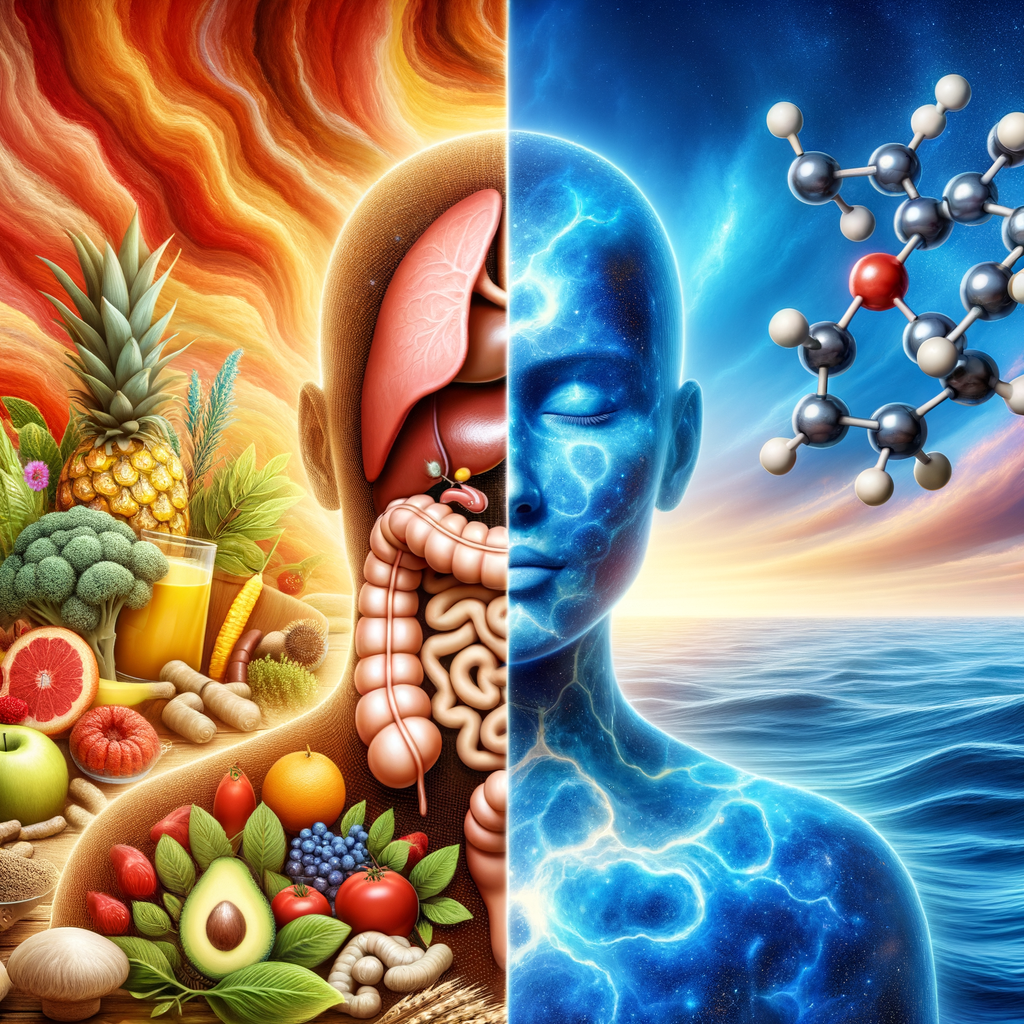
The Startling Connection Between Gut Health and Emotional Stability The human body is a complex system, and the connection between gut health and emotional stability is a prime example of this complexity. The gut is often referred to as the “second brain” because of the significant impact it has on our overall well-being. It is home to trillions of bacteria, known as the gut microbiome, which play a crucial role in our physical and mental health. Recent research has shown that the gut microbiome can influence our mood, behavior, and even our mental health. This has led to a growing interest in the use of probiotics as a means of improving mental well-being. Probiotics are live microorganisms that, when consumed in adequate amounts, can provide health benefits. They are found in fermented foods such as yogurt, kefir, and sauerkraut, as well as in dietary supplements. Probiotics work by restoring the balance of good and bad bacteria in the gut, which can be disrupted by factors such as poor diet, stress, and antibiotic use. By promoting a healthy gut microbiome, probiotics can help to improve digestion, boost the immune system, and reduce inflammation. But the benefits of probiotics go beyond physical health. There is a growing body of evidence to suggest that they can also have a positive impact on mental health. The gut-brain axis is a bidirectional communication system between the gut and the brain, and it is thought that the gut microbiome can influence this system. For example, certain strains of bacteria in the gut can produce neurotransmitters such as serotonin and dopamine, which are known to regulate mood and emotions. By increasing the levels of these beneficial bacteria, probiotics can help to improve mood and reduce symptoms of anxiety and depression. In addition to their impact on neurotransmitters, probiotics can also reduce inflammation in the body, which has been linked to mental health conditions such as depression. Chronic inflammation can affect the brain and lead to changes in mood and behavior. By reducing inflammation, probiotics can help to alleviate these symptoms and improve overall mental well-being. Furthermore, probiotics can also help to reduce stress and improve sleep quality, both of which are important for emotional stability. Stress can disrupt the balance of bacteria in the gut, leading to a range of physical and mental health issues. Probiotics can help to restore this balance and reduce the impact of stress on the body. Similarly, poor sleep can have a negative impact on mental health, and probiotics have been shown to improve sleep quality by promoting a healthy gut microbiome. In conclusion, the connection between gut health and emotional stability is a complex and fascinating area of research. The gut microbiome plays a crucial role in our physical and mental well-being, and probiotics can help to improve both. By promoting a healthy gut microbiome, probiotics can improve mood, reduce symptoms of anxiety and depression, reduce inflammation, and improve sleep quality. As our understanding of the gut-brain axis continues to grow, it is likely that probiotics will become an increasingly important tool in the promotion of mental well-being.





Comments