


The Shocking Truth About How Fasting Affects Your Yoga Practice
Table of Contents
Introduction
The practice of fasting has been around for centuries, often associated with religious and spiritual rituals. However, in recent years, fasting has gained popularity as a health and wellness trend, with many people incorporating it into their daily routines for its potential benefits such as weight loss, improved digestion, and increased mental clarity. But how does fasting affect your yoga practice? In this article, we will explore the shocking truth about the impact of fasting on your yoga practice and how it can either enhance or hinder your experience on the mat.The Impact of Fasting on Flexibility and Balance in Yoga
The Shocking Truth About How Fasting Affects Your Yoga Practice Fasting has been a practice that has been around for centuries, and it is often associated with spiritual and religious rituals. However, in recent years, fasting has gained popularity as a health and wellness trend, with many people incorporating it into their daily routines for its purported benefits. One area where fasting has been said to have an impact is on yoga practice, particularly in terms of flexibility and balance. Yoga is a practice that requires a great deal of physical and mental discipline, and it is often thought that fasting can help to enhance these aspects. Fasting is believed to help clear the mind and improve focus, which can be beneficial for yoga practitioners who need to maintain concentration during their practice. Additionally, fasting is said to help detoxify the body, which can lead to improved flexibility and balance. However, the truth about how fasting affects yoga practice is not as straightforward as it may seem. While there is some evidence to suggest that fasting can have a positive impact on flexibility and balance, there are also potential risks and drawbacks to consider. One of the main concerns with fasting and yoga practice is the potential for dehydration. Fasting can lead to a decrease in fluid intake, which can result in dehydration if not properly managed. Dehydration can have a negative impact on flexibility and balance, as it can lead to muscle cramps and dizziness. This can be particularly dangerous for yoga practitioners who are performing complex poses that require a great deal of balance and coordination. Another potential issue with fasting and yoga practice is the risk of low blood sugar. Fasting can cause blood sugar levels to drop, which can lead to feelings of weakness and fatigue. This can be problematic for yoga practitioners who need to maintain a high level of energy and strength during their practice. Low blood sugar can also lead to lightheadedness and fainting, which can be dangerous during yoga practice. Despite these potential risks, there are also some potential benefits to fasting and yoga practice. Fasting can help to improve digestion, which can lead to a feeling of lightness and ease during yoga practice. Additionally, fasting can help to reduce inflammation in the body, which can lead to improved flexibility and reduced pain during yoga practice. Ultimately, the impact of fasting on flexibility and balance in yoga practice is complex and multifaceted. While there are potential benefits to fasting, there are also potential risks that need to be carefully managed. It is important for yoga practitioners to listen to their bodies and to consult with a healthcare professional before incorporating fasting into their routine. In conclusion, the shocking truth about how fasting affects yoga practice is that it is not a one-size-fits-all approach. While fasting can have a positive impact on flexibility and balance, it is important to approach it with caution and to be mindful of the potential risks. By doing so, yoga practitioners can safely and effectively incorporate fasting into their practice and enjoy the benefits it has to offer.The Surprising Effects of Fasting on Yoga-Induced Stress Relief

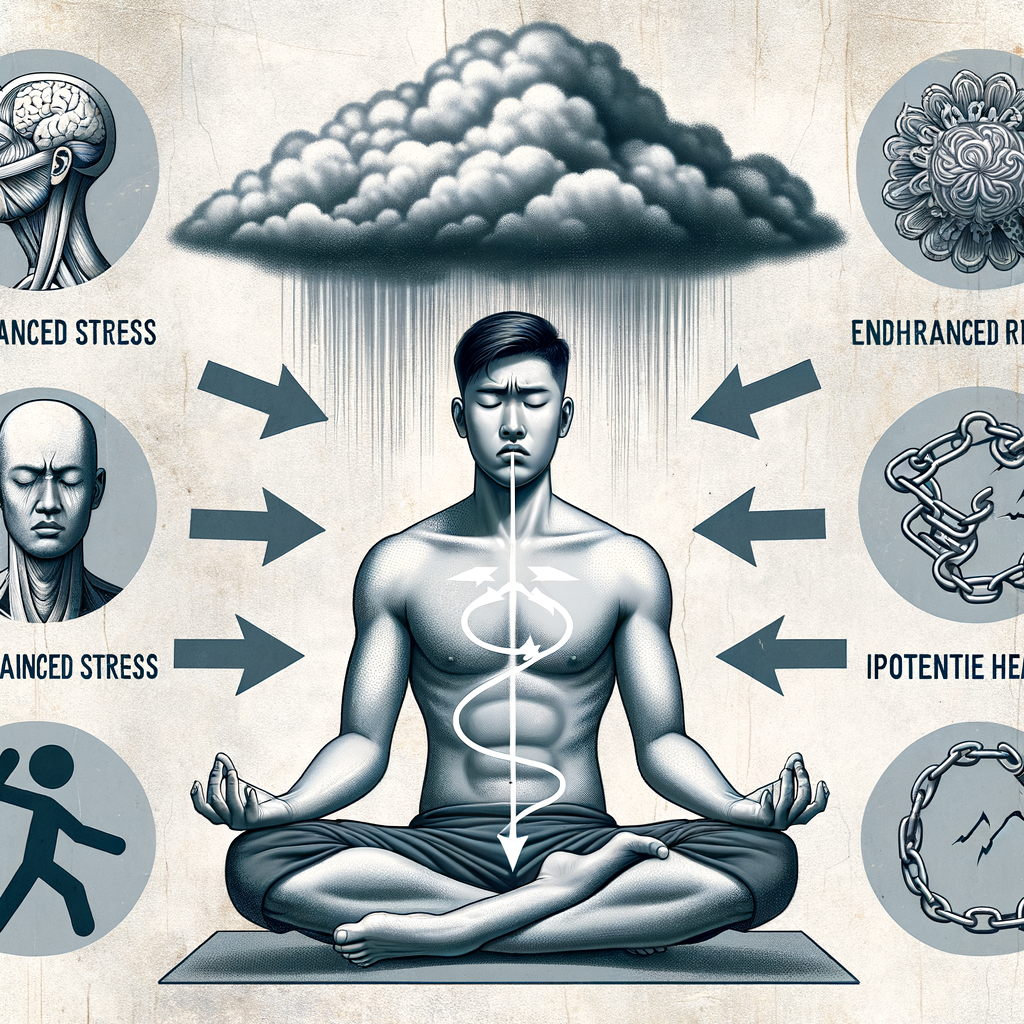
The practice of yoga has long been associated with stress relief, and for good reason. The combination of physical postures, breathing exercises, and meditation can help to calm the mind and reduce tension in the body. However, there is a growing body of evidence to suggest that fasting can also have a significant impact on the effectiveness of yoga as a stress-relief tool. Fasting, the act of abstaining from food for a certain period of time, has been practiced for centuries for religious and spiritual reasons. In recent years, it has gained popularity as a health and wellness trend, with proponents claiming that it can help with weight loss, improve mental clarity, and even increase longevity. But what many people don’t realize is that fasting can also enhance the benefits of yoga, particularly when it comes to stress relief. One of the key ways that fasting affects yoga practice is by increasing the body’s sensitivity to stress hormones. When we fast, our bodies enter a state of “fight or flight” mode, which triggers the release of adrenaline and cortisol. These hormones can make us feel more alert and focused, which can be beneficial during a yoga session. However, they can also make us more sensitive to stress, which means that the calming effects of yoga may be more pronounced when we are fasting. Additionally, fasting can help to improve our overall mood and mental state, which can also enhance the effects of yoga. When we fast, our bodies produce more of the neurotransmitter serotonin, which is known as the “feel-good” hormone. This can help to reduce feelings of anxiety and depression, making it easier to relax and let go of stress during a yoga session. Furthermore, fasting can also help to improve our physical health, which can in turn enhance our yoga practice. When we fast, our bodies are able to focus on repairing and healing themselves, rather than digesting food. This can lead to improved digestion, increased energy levels, and a stronger immune system. All of these factors can help us to feel better physically, which can make it easier to fully engage in a yoga session and reap the stress-relief benefits. Of course, it’s important to note that fasting is not for everyone, and it’s crucial to listen to your body and consult with a healthcare professional before embarking on a fasting regimen. Additionally, fasting should not be used as a substitute for a healthy diet and regular exercise, including yoga. In conclusion, the effects of fasting on yoga-induced stress relief are surprising and significant. By increasing our sensitivity to stress hormones, improving our mood and mental state, and enhancing our physical health, fasting can help to amplify the calming effects of yoga. Whether you’re a seasoned yogi or a beginner, incorporating fasting into your routine may be worth considering as a way to further reduce stress and improve your overall well-being.




Comments