

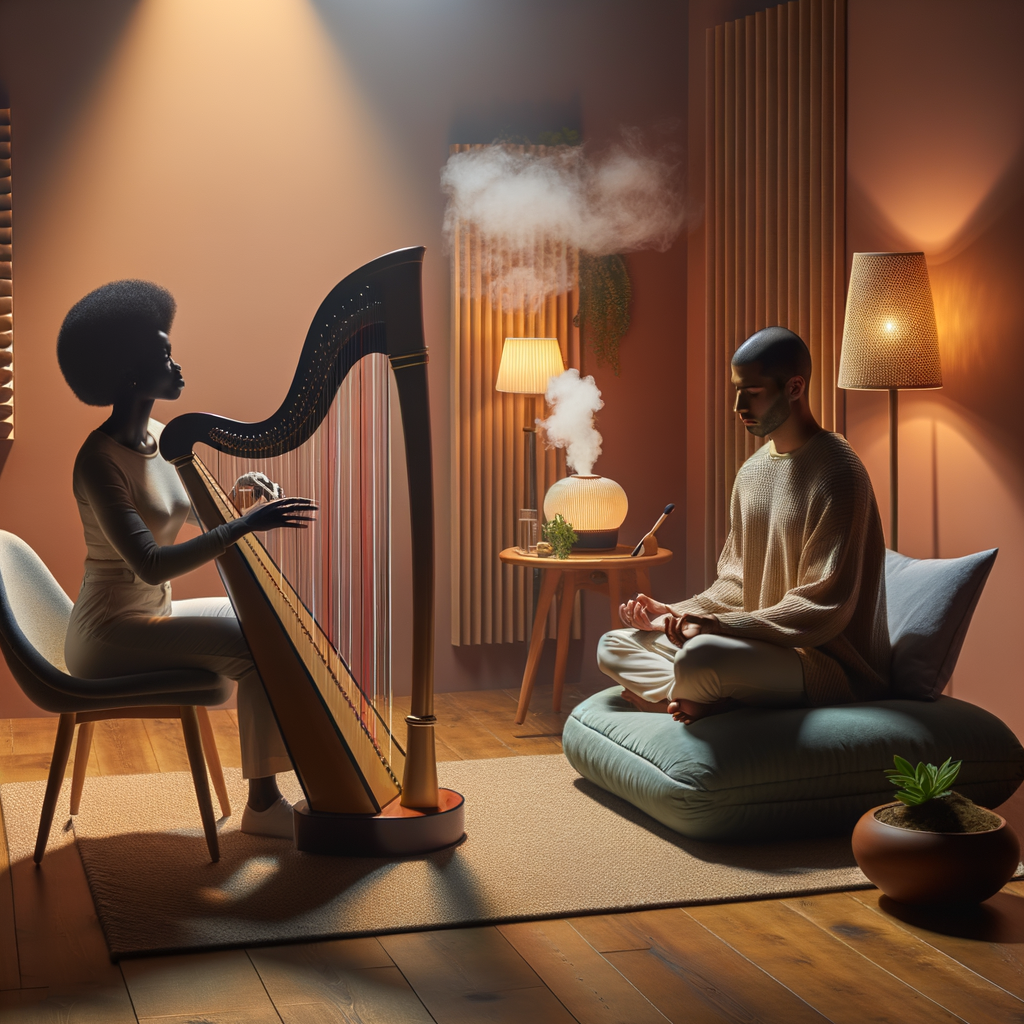
The Role of Music in Therapy and Meditation
Table of Contents
Introduction
Music has long been recognized for its therapeutic and meditative properties. It has the power to evoke emotions, reduce stress, and promote relaxation. In therapy, music is used as a tool to help individuals process and express their feelings, while in meditation, it serves as a means to focus the mind and enhance the overall experience. The role of music in these practices is multifaceted, as it can be used to create a calming atmosphere, stimulate the senses, and facilitate a deeper connection with oneself. Whether it is through listening, playing, or composing, music has the ability to heal and transform, making it an essential component in the fields of therapy and meditation.The Impact of Music on Mental Health and Well-being
Music has long been recognized as a powerful tool for promoting mental health and well-being. Its ability to evoke emotions, memories, and physiological responses makes it an ideal medium for therapy and meditation. In recent years, there has been a growing interest in the role of music in these practices, with research showing that it can have a profound impact on mental health. One of the key ways in which music can benefit mental health is by reducing stress and anxiety. Listening to calming music can help to lower heart rate and blood pressure, as well as decrease levels of the stress hormone cortisol. This can create a sense of relaxation and calm, which is particularly beneficial for those who suffer from anxiety disorders or chronic stress. Music therapy, which involves the use of music to address emotional, cognitive, and social needs, has been shown to be effective in reducing anxiety in a variety of settings, including hospitals, schools, and nursing homes. In addition to reducing stress and anxiety, music can also improve mood and increase feelings of happiness and well-being. Upbeat, rhythmic music can stimulate the release of dopamine, a neurotransmitter associated with pleasure and reward. This can create a sense of joy and uplift the spirit, making music an effective tool for combating depression and other mood disorders. Music therapy has been shown to be particularly effective in this regard, with studies demonstrating its ability to improve mood and increase motivation in individuals with depression. Music can also play a role in meditation, a practice that has been shown to have numerous benefits for mental health. Meditation involves focusing the mind on a particular object, thought, or activity to achieve a state of mental clarity and emotional calm. Music can be used as a tool to facilitate this process, providing a soothing background that helps to quiet the mind and promote relaxation. Certain types of music, such as classical or ambient, are particularly well-suited for meditation, as they are slow-paced and lack lyrics that could be distracting. The impact of music on mental health and well-being is not limited to its use in therapy and meditation. Listening to music can also be a form of self-care, providing an opportunity for individuals to take a break from the stresses of daily life and engage in an activity that brings them joy. Whether it’s attending a live concert, playing an instrument, or simply listening to a favorite album, music can be a source of comfort and pleasure that contributes to overall well-being. In conclusion, the role of music in therapy and meditation is significant, with research showing that it can have a positive impact on mental health. Whether it’s reducing stress and anxiety, improving mood, or facilitating meditation, music has the power to promote well-being and enhance quality of life. As our understanding of the relationship between music and mental health continues to grow, it is likely that we will see an increasing use of music in therapeutic and meditative practices.Exploring the Use of Music in Mindfulness Practices

Music has long been recognized as a powerful tool for healing and relaxation. Its ability to evoke emotions, memories, and physiological responses makes it an ideal complement to therapy and meditation practices. In recent years, there has been a growing interest in exploring the use of music in mindfulness practices, as researchers and practitioners alike seek to understand the ways in which music can enhance the therapeutic process. One of the primary ways in which music is used in therapy is as a means of promoting relaxation and reducing stress. The soothing sounds of certain types of music can help to slow down the heart rate, lower blood pressure, and reduce levels of the stress hormone cortisol. This can be particularly beneficial for individuals who are dealing with anxiety, depression, or other mental health issues. Music can also be used to help individuals process and express their emotions, providing a safe and non-verbal outlet for feelings that may be difficult to articulate. In addition to its use in traditional therapy settings, music is also commonly used in meditation practices. Meditation is a mindfulness technique that involves focusing the mind on a particular object, thought, or activity in order to achieve a state of mental clarity and emotional calmness. Music can be a helpful tool in this process, as it can provide a focal point for the mind and help to create a peaceful and serene environment. Certain types of music, such as classical or ambient, are particularly well-suited for meditation, as they tend to be slow-paced and free of distracting lyrics. The use of music in therapy and meditation is supported by a growing body of research. Studies have shown that music can have a positive impact on mental health, reducing symptoms of anxiety and depression and improving overall well-being. Music therapy has also been found to be effective in treating a range of physical health issues, including chronic pain, insomnia, and even cancer-related symptoms. In addition, research has shown that music can enhance the effects of meditation, helping individuals to achieve deeper states of relaxation and mindfulness. One of the key benefits of using music in therapy and meditation is its accessibility. Unlike other forms of therapy or meditation, which may require specialized training or equipment, music is something that most people can easily incorporate into their daily lives. Whether it’s listening to a favorite album, attending a live concert, or simply humming a tune, music is a universal language that can be enjoyed by people of all ages and backgrounds. In conclusion, the role of music in therapy and meditation is a significant one. Its ability to promote relaxation, reduce stress, and enhance the therapeutic process makes it an invaluable tool for individuals seeking to improve their mental and physical health. As research continues to uncover the many benefits of music in mindfulness practices, it is likely that its use will become even more widespread in the years to come. Whether used as a standalone treatment or in conjunction with other therapies, music has the power to heal, soothe, and transform the lives of those who embrace it.





Comments