


The Role of Art Therapy in Emotional Healing
Table of Contents
Introduction
Art therapy is a form of psychotherapy that uses creative expression as a means of emotional healing. It is based on the belief that the process of creating art can help individuals explore and express their emotions, leading to a greater understanding of themselves and their experiences. Art therapy can be used to address a wide range of emotional issues, including trauma, anxiety, depression, and grief. It can be a powerful tool for individuals of all ages and backgrounds, providing a safe and non-verbal way to process and communicate complex emotions. Through the use of various art materials and techniques, individuals can gain insight into their emotional state and work towards healing and personal growth.The Benefits of Art Therapy for Trauma Recovery
Art therapy is a form of psychotherapy that uses creative expression as a means of healing and self-discovery. It is a powerful tool for individuals who have experienced trauma, as it allows them to process and express their emotions in a safe and non-verbal way. Through the use of various art materials and techniques, individuals can explore their feelings, thoughts, and experiences in a way that is both therapeutic and empowering. One of the key benefits of art therapy for trauma recovery is that it provides a means of externalizing and processing traumatic experiences. When individuals experience trauma, they often struggle to put their feelings into words. Art therapy offers an alternative form of communication that allows individuals to express themselves without the pressure of verbalizing their experiences. This can be particularly helpful for those who have difficulty articulating their emotions or who may be hesitant to talk about their trauma. Another benefit of art therapy is that it can help individuals to gain a sense of control over their emotions. Trauma can leave individuals feeling powerless and overwhelmed, but through the creative process, they can begin to regain a sense of agency. By making choices about the materials they use and the images they create, individuals can take an active role in their own healing process. This can be incredibly empowering and can help to build self-esteem and confidence. Art therapy can also provide a sense of safety and containment for individuals who have experienced trauma. The art-making process can be a way to create a sense of order and structure in the midst of chaos. It can also provide a sense of containment for overwhelming emotions, as individuals can express their feelings through their artwork rather than being consumed by them. This can help to reduce anxiety and promote a sense of calm and relaxation. In addition to these benefits, art therapy can also help individuals to develop new coping skills and strategies for managing their emotions. Through the creative process, individuals can learn to identify and express their feelings in a healthy and constructive way. They can also learn to use art as a means of self-soothing and self-care, which can be particularly helpful for those who have experienced trauma. Finally, art therapy can provide a sense of connection and community for individuals who have experienced trauma. Many individuals who have experienced trauma feel isolated and disconnected from others. Art therapy can provide a space for individuals to connect with others who have had similar experiences, which can be incredibly healing. It can also provide an opportunity for individuals to share their stories and experiences in a supportive and non-judgmental environment. In conclusion, art therapy is a valuable tool for individuals who have experienced trauma. It provides a means of externalizing and processing traumatic experiences, helps individuals to regain a sense of control over their emotions, provides a sense of safety and containment, helps individuals to develop new coping skills, and provides a sense of connection and community. For these reasons, art therapy is an important part of the healing process for many individuals who have experienced trauma.Exploring the Connection Between Creativity and Emotional Well-being
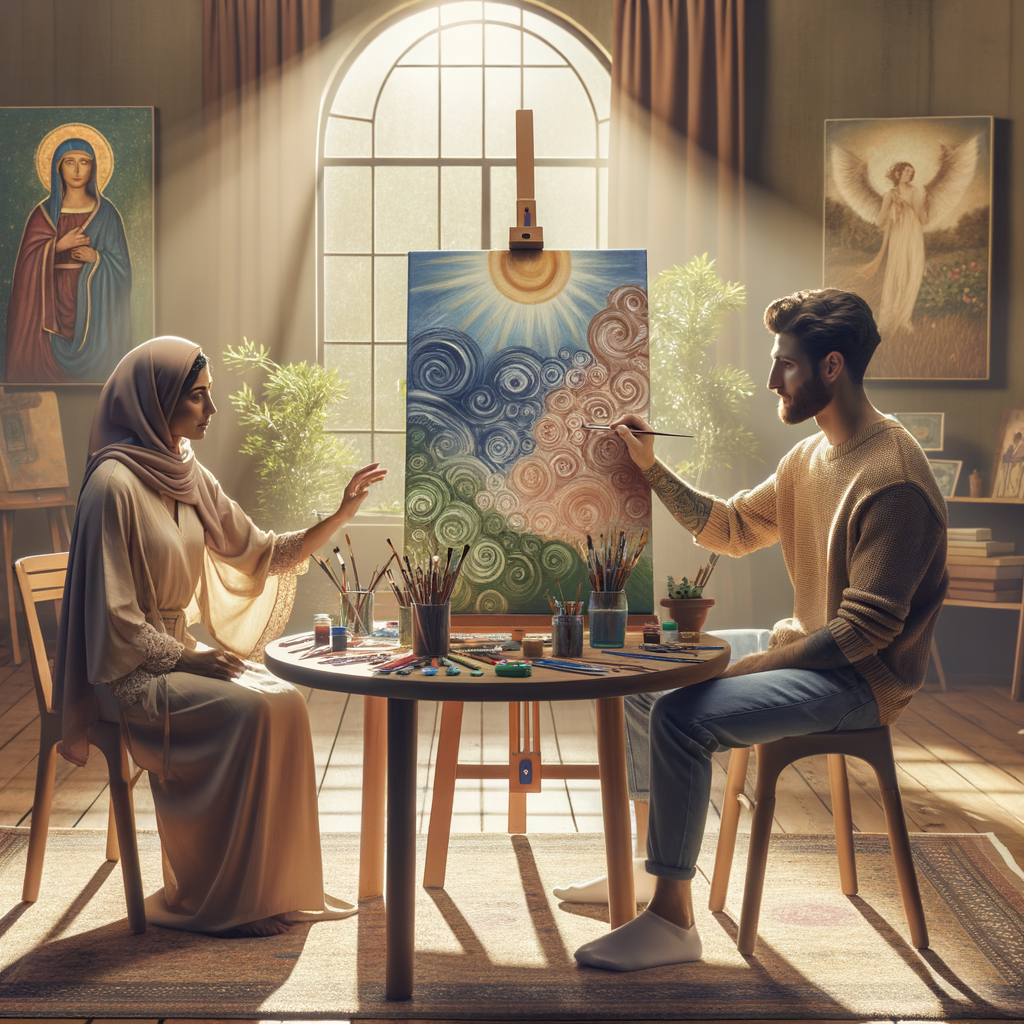
Art therapy is a form of psychotherapy that uses creative expression as a means of emotional healing. It is based on the idea that the process of creating art can help individuals explore and express their emotions, leading to a greater understanding of themselves and their experiences. This form of therapy has been used to help individuals cope with a wide range of emotional issues, including anxiety, depression, trauma, and grief. The role of art therapy in emotional healing is multifaceted. It provides a safe and non-threatening space for individuals to explore their feelings and thoughts. Through the process of creating art, individuals can express themselves in ways that may be difficult to put into words. This can be particularly helpful for those who have experienced trauma or have difficulty verbalizing their emotions. Art therapy allows individuals to communicate their experiences visually, which can be a powerful way to process and release pent-up emotions. Art therapy also encourages self-reflection and self-awareness. As individuals create art, they are able to gain insight into their own emotions and behaviors. This can lead to a greater understanding of the underlying causes of their emotional distress and can help individuals develop coping strategies to manage their emotions more effectively. By engaging in art therapy, individuals can learn to identify and express their emotions in a healthy and constructive way. In addition to its emotional benefits, art therapy can also have a positive impact on an individual’s overall well-being. The act of creating art can be a meditative and calming experience, which can help reduce stress and anxiety. It can also boost self-esteem and confidence, as individuals take pride in their artistic creations. Furthermore, art therapy can provide a sense of accomplishment and purpose, which can be particularly beneficial for those who may be struggling with feelings of hopelessness or worthlessness. Art therapy is not limited to any specific age group or population. It can be beneficial for children, adolescents, and adults alike. For children, art therapy can be a valuable tool for emotional expression and development. It can help them process their emotions in a healthy way and can provide a creative outlet for their energy and imagination. For adults, art therapy can be a way to reconnect with their creative side and can provide a sense of relaxation and stress relief. In conclusion, art therapy plays a significant role in emotional healing. It provides a safe and non-threatening space for individuals to explore and express their emotions, encourages self-reflection and self-awareness, and can have a positive impact on overall well-being. Whether used as a standalone therapy or in conjunction with other forms of treatment, art therapy can be a valuable tool for individuals seeking to improve their emotional health. By tapping into the power of creativity, individuals can find new ways to cope with their emotions and work towards a greater sense of emotional well-being.





Comments