

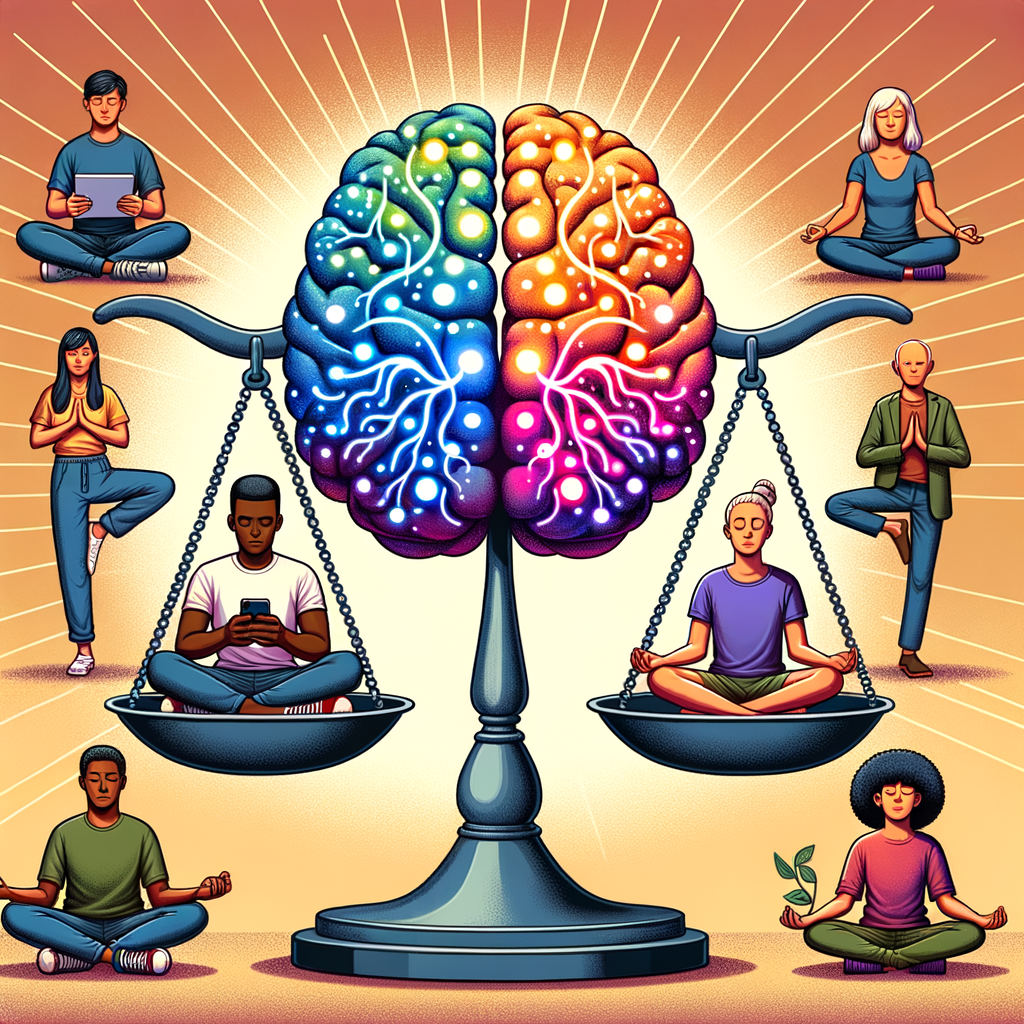
The Impact of Technology on Mental Health: Finding Balance
Table of Contents
Introduction
The impact of technology on mental health is a topic of growing concern in today’s digital age. With the increasing use of smartphones, social media, and other digital platforms, there is a need to understand how technology affects our mental well-being. While technology has brought about many positive changes, such as increased connectivity and access to information, it has also been linked to negative outcomes such as anxiety, depression, and addiction. Finding balance in our use of technology is crucial for maintaining good mental health. This introduction will explore the various ways in which technology impacts mental health and discuss strategies for finding a healthy balance.The Role of Social Media in Anxiety and Depression
The Impact of Technology on Mental Health: Finding Balance In recent years, the role of technology in our lives has grown exponentially, and with it, concerns about its impact on mental health have also increased. One area that has received particular attention is the role of social media in anxiety and depression. As we become more connected through our devices, it is essential to understand how this connectivity can affect our mental well-being. Social media platforms have become an integral part of our daily lives, providing us with a way to stay connected with friends and family, share our experiences, and access information. However, the constant exposure to curated content and the pressure to present a perfect image can lead to feelings of inadequacy and low self-esteem. The fear of missing out (FOMO) can also contribute to anxiety, as individuals may feel like they are not living up to the standards set by others on social media. Moreover, the anonymity of social media can lead to cyberbullying, which can have severe consequences for mental health. Victims of cyberbullying may experience symptoms of depression, anxiety, and even suicidal thoughts. The constant exposure to negative comments and harassment can take a toll on an individual’s mental well-being, leading to long-term psychological effects. The impact of social media on mental health is not limited to negative experiences. It can also provide a sense of community and support for individuals who may feel isolated in their offline lives. Social media can be a valuable tool for connecting with others who share similar experiences or interests, providing a sense of belonging and validation. However, it is essential to find a balance between the positive and negative aspects of social media. One way to achieve this balance is by setting boundaries around social media use. This can include limiting the amount of time spent on social media, unfollowing accounts that trigger negative emotions, and being mindful of the content we consume. Another way to find balance is by being intentional about our social media use. Instead of mindlessly scrolling through our feeds, we can use social media to connect with others in meaningful ways. This can include engaging in conversations, sharing our own experiences, and supporting others who may be struggling. It is also important to remember that social media is not a reflection of reality. The curated content we see on social media is often a highlight reel of someone’s life, and it is essential to keep this in perspective. By focusing on our own lives and experiences, we can reduce the pressure to live up to the standards set by others on social media. In conclusion, the role of social media in anxiety and depression is complex, and it is essential to find a balance between the positive and negative aspects of social media use. By setting boundaries, being intentional about our use, and keeping perspective, we can mitigate the impact of social media on our mental health. As we continue to navigate the digital age, it is crucial to prioritize our mental well-being and find ways to use technology in a way that supports our overall health and happiness.Digital Detox: The Benefits of Unplugging for Mental Well-being
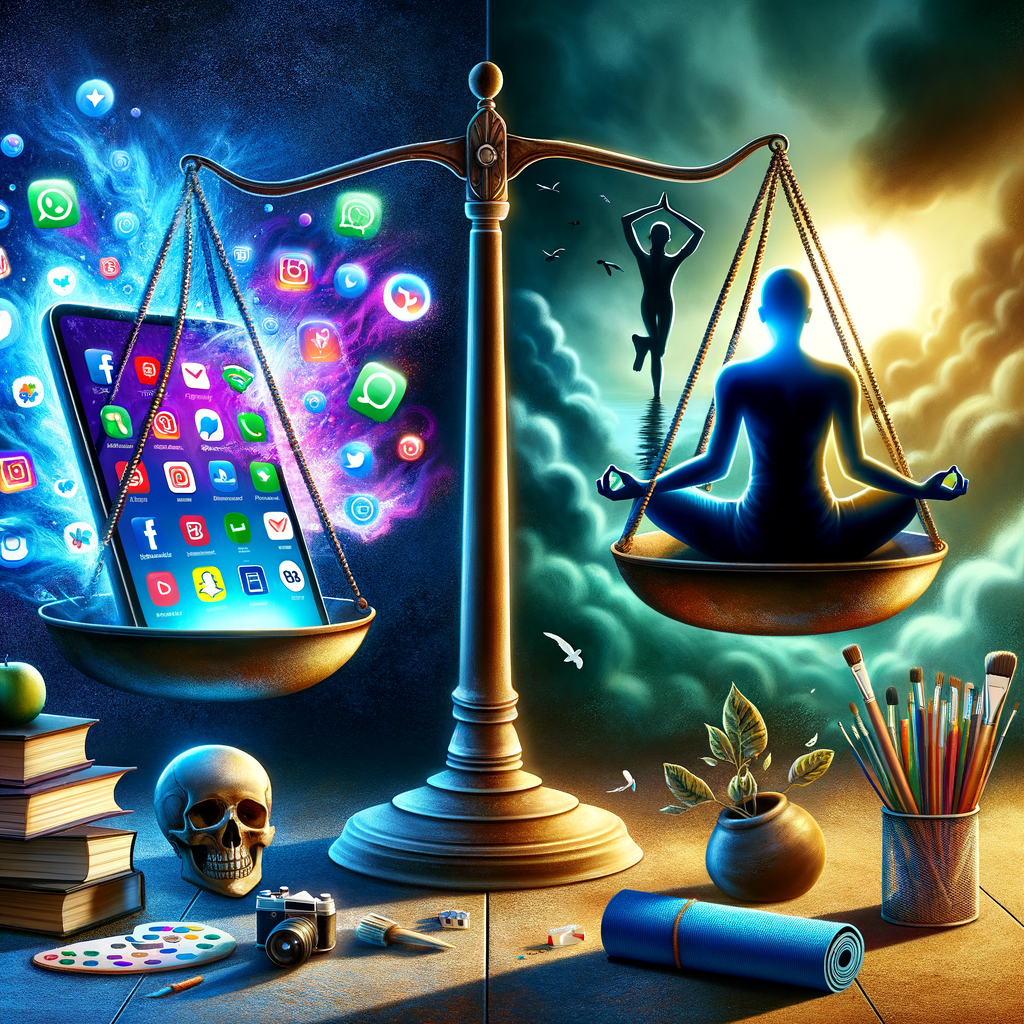
The Impact of Technology on Mental Health: Finding Balance In today’s fast-paced world, technology has become an integral part of our daily lives. From smartphones to laptops, we are constantly connected to the digital world. While technology has brought about many positive changes, it has also had a significant impact on our mental health. The constant barrage of notifications, emails, and social media updates can lead to feelings of anxiety, stress, and even depression. As a result, many people are turning to digital detoxes as a way to unplug and improve their mental well-being. A digital detox involves taking a break from technology for a certain period of time. This can range from a few hours to several days or even weeks. The idea is to disconnect from the digital world and reconnect with the real world. By doing so, individuals can reduce their stress levels, improve their sleep, and increase their overall happiness. One of the main benefits of a digital detox is that it allows individuals to be more present in the moment. Without the constant distraction of technology, people can focus on their surroundings and engage in meaningful conversations with others. This can lead to stronger relationships and a greater sense of connection with the world around them. Another benefit of a digital detox is that it can improve sleep quality. The blue light emitted by screens can disrupt our natural sleep patterns, making it harder to fall asleep and stay asleep. By unplugging before bedtime, individuals can create a more conducive environment for restful sleep. In addition to improving sleep and relationships, a digital detox can also boost productivity. Without the constant interruptions of emails and notifications, individuals can focus on their work and complete tasks more efficiently. This can lead to a greater sense of accomplishment and satisfaction with one’s work. While the benefits of a digital detox are clear, it can be challenging to unplug in a world that is so reliant on technology. One way to make it easier is to set boundaries around technology use. This can include designated times for checking emails and social media, as well as turning off notifications during certain hours of the day. Another strategy is to find alternative activities to fill the time that would normally be spent on technology. This can include hobbies such as reading, exercising, or spending time outdoors. By engaging in these activities, individuals can reduce their reliance on technology and improve their mental health. In conclusion, the impact of technology on mental health is a growing concern. While technology has many benefits, it is important to find a balance between the digital world and the real world. A digital detox can be an effective way to unplug and improve mental well-being. By setting boundaries around technology use and finding alternative activities, individuals can reduce their stress levels, improve their sleep, and boost their productivity. Ultimately, finding balance is key to maintaining good mental health in the digital age.


Comments