

The Hidden Connection Between Tongue Posture and Anxiety
Table of Contents
Introduction
The Hidden Connection Between Tongue Posture and Anxiety explores the often overlooked relationship between the position of the tongue in the mouth and its impact on mental health. This introduction delves into the concept of proper tongue posture, also known as “mewing,” and its potential influence on anxiety levels. It examines the physiological mechanisms behind this connection, including the effects on breathing, jaw alignment, and overall body posture, and how these can contribute to heightened anxiety. The introduction sets the stage for a deeper understanding of how something as seemingly insignificant as tongue placement can have significant implications for mental well-being.The Surprising Link Between Tongue Posture and Anxiety Levels
The Hidden Connection Between Tongue Posture and Anxiety Anxiety is a common mental health issue that affects millions of people worldwide. It can manifest in various ways, including physical symptoms such as muscle tension, rapid heartbeat, and shallow breathing. However, there is a lesser-known connection between anxiety and tongue posture that is often overlooked. This article will explore the surprising link between tongue posture and anxiety levels and how improving tongue posture can help alleviate anxiety symptoms. The tongue is a powerful muscle that plays a crucial role in speech, swallowing, and breathing. When the tongue is in its proper resting position, it should be lightly suctioned to the roof of the mouth, with the tip resting just behind the front teeth. This position allows for proper airflow and helps maintain the correct alignment of the jaw and teeth. However, many people have a habit of resting their tongue on the floor of their mouth or pushing it against their teeth, which can lead to a host of problems, including anxiety. When the tongue is not in its proper resting position, it can cause tension in the jaw and neck muscles, leading to headaches, neck pain, and even TMJ disorders. This tension can also affect breathing patterns, leading to shallow, rapid breathing that is commonly associated with anxiety. By correcting tongue posture, individuals can reduce muscle tension, improve breathing patterns, and ultimately decrease anxiety levels. Furthermore, proper tongue posture can also have a positive impact on the nervous system. The tongue is connected to the vagus nerve, which is responsible for regulating the body’s stress response. When the tongue is in its correct position, it can help stimulate the vagus nerve, promoting a sense of calm and relaxation. This can be especially beneficial for individuals who suffer from anxiety, as it can help reduce the body’s stress response and alleviate anxiety symptoms. Improving tongue posture is not an overnight fix, but with practice and awareness, it can become a natural habit. One way to improve tongue posture is to practice proper breathing techniques, such as diaphragmatic breathing, which encourages the tongue to rest in its proper position. Additionally, exercises that strengthen the tongue and jaw muscles can also help improve tongue posture and reduce anxiety levels. In conclusion, the connection between tongue posture and anxiety may not be widely known, but it is a significant one. By improving tongue posture, individuals can reduce muscle tension, improve breathing patterns, and stimulate the vagus nerve, all of which can help alleviate anxiety symptoms. While it may take time and practice to develop proper tongue posture, the benefits for mental health and overall well-being are well worth the effort. So the next time you feel anxious, take a moment to check in with your tongue posture and see if making a simple adjustment can help you feel more relaxed and at ease.How Improving Your Tongue Posture Can Reduce Anxiety
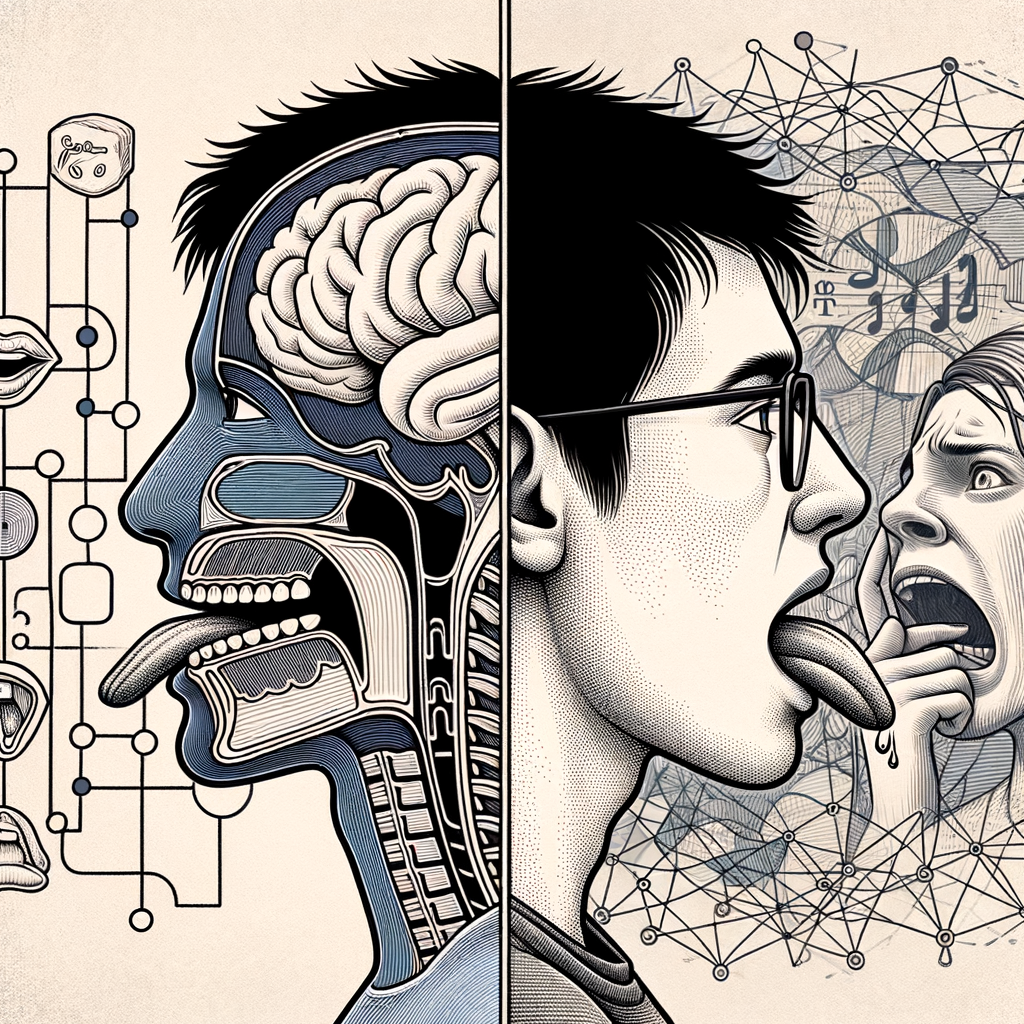
The Hidden Connection Between Tongue Posture and Anxiety Anxiety is a common mental health issue that affects millions of people worldwide. It can manifest in various ways, including physical symptoms such as muscle tension, headaches, and digestive issues. However, one lesser-known physical aspect of anxiety is tongue posture. Research has shown that the position of the tongue in the mouth can have a significant impact on anxiety levels. Improving tongue posture can be an effective way to reduce anxiety and improve overall well-being. The tongue is a powerful muscle that plays a crucial role in speech, swallowing, and breathing. When the tongue is in its proper resting position, it should be lightly suctioned to the roof of the mouth, with the tip resting just behind the front teeth. This position allows for proper airflow and helps to maintain the correct alignment of the jaw and teeth. However, many people have a habit of resting their tongue on the floor of the mouth or pushing it against the teeth, which can lead to a host of problems. When the tongue is not in its proper position, it can cause tension in the jaw and neck muscles, leading to headaches and neck pain. This tension can also contribute to anxiety, as the body is in a constant state of stress. Additionally, improper tongue posture can affect breathing patterns, leading to shallow, rapid breathing that can exacerbate anxiety symptoms. By correcting tongue posture, individuals can reduce muscle tension, improve breathing, and ultimately decrease anxiety levels. Improving tongue posture is a simple yet effective way to reduce anxiety. One way to achieve proper tongue posture is through myofunctional therapy, which involves exercises that strengthen the tongue and retrain it to rest in the correct position. These exercises can be done at home and typically involve pressing the tongue against the roof of the mouth and holding it there for a few seconds at a time. Over time, the tongue will naturally begin to rest in the proper position, leading to a reduction in anxiety symptoms. Another way to improve tongue posture is through mindfulness practices. By bringing awareness to the position of the tongue throughout the day, individuals can consciously correct their tongue posture when they notice it slipping. This mindfulness practice can also help to reduce anxiety by promoting relaxation and reducing muscle tension. In addition to reducing anxiety, improving tongue posture can have other benefits as well. Proper tongue posture can improve speech clarity, reduce the risk of dental issues, and even improve facial aesthetics by promoting proper jaw alignment. By focusing on tongue posture, individuals can improve their overall health and well-being. In conclusion, the connection between tongue posture and anxiety may not be well-known, but it is a significant one. By improving tongue posture, individuals can reduce muscle tension, improve breathing, and ultimately decrease anxiety levels. Whether through myofunctional therapy or mindfulness practices, taking steps to improve tongue posture can have a positive impact on both mental and physical health.





Comments