

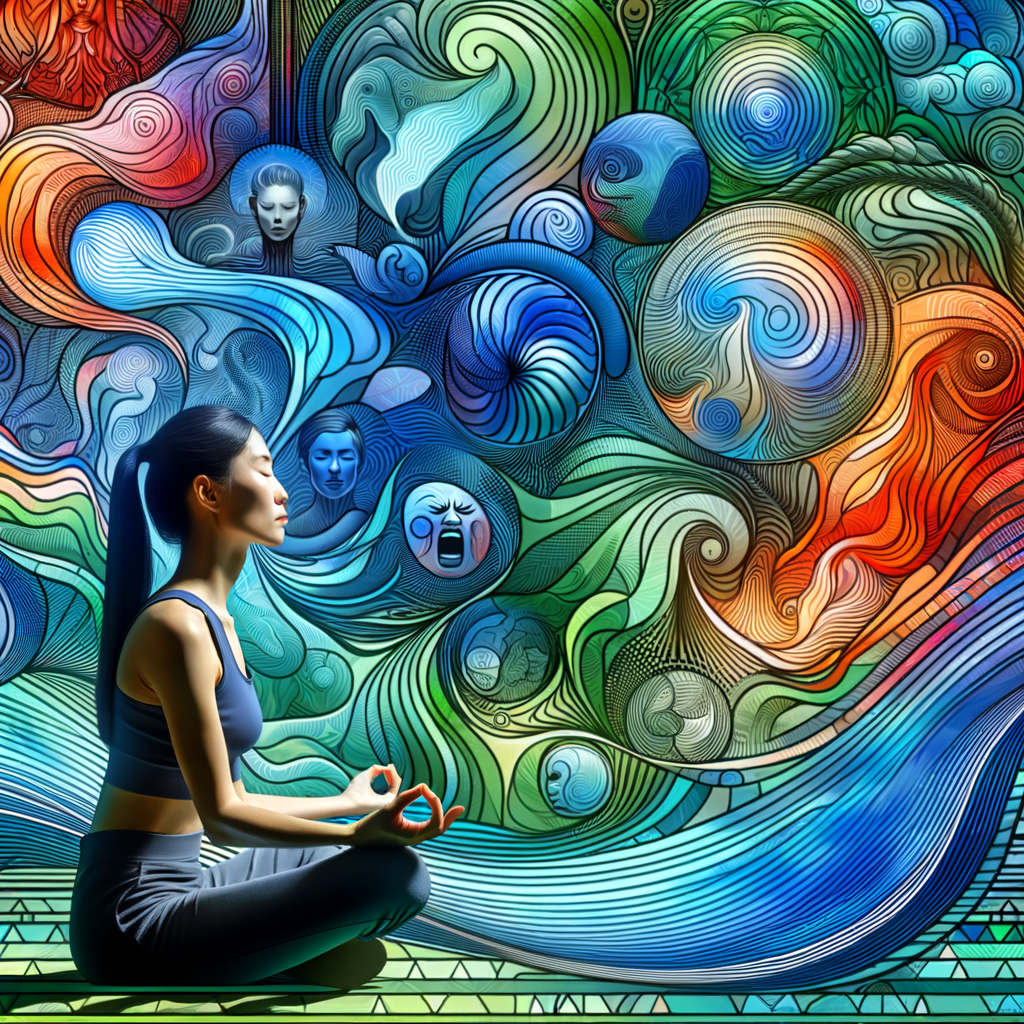
The Hidden Connection Between Breath Patterns and Emotional Health
Table of Contents
Introduction
The connection between breath patterns and emotional health is often overlooked, yet it plays a crucial role in our overall well-being. Breathing is not only a physical process that sustains life, but it also has a profound impact on our mental and emotional states. Different breath patterns can trigger various emotional responses, and by understanding and harnessing this connection, individuals can improve their emotional health and manage stress more effectively. This introduction will explore the hidden link between how we breathe and how we feel, shedding light on the importance of mindful breathing for emotional regulation and balance.The Science Behind Breath Patterns and Emotional Regulation
The Hidden Connection Between Breath Patterns and Emotional Health Breath is the most fundamental aspect of life, yet it is often overlooked in discussions about emotional health. However, recent research has revealed a hidden connection between breath patterns and emotional regulation, shedding light on the importance of breathing in managing our emotions. Breathing is an automatic process that we do without thinking, but it is also something that we can consciously control. When we are stressed or anxious, our breath becomes shallow and rapid, which can exacerbate our emotional state. Conversely, when we are calm and relaxed, our breath is slow and deep, which can help to soothe our emotions. The science behind breath patterns and emotional regulation is rooted in the autonomic nervous system, which controls involuntary bodily functions such as heart rate, digestion, and breathing. The autonomic nervous system is divided into two branches: the sympathetic nervous system, which is responsible for the fight-or-flight response, and the parasympathetic nervous system, which is responsible for the rest-and-digest response. When we are stressed or anxious, the sympathetic nervous system is activated, which leads to shallow, rapid breathing. This type of breathing can trigger the release of stress hormones such as cortisol and adrenaline, which can further exacerbate our emotional state. On the other hand, when we are calm and relaxed, the parasympathetic nervous system is activated, which leads to slow, deep breathing. This type of breathing can trigger the release of calming neurotransmitters such as serotonin and GABA, which can help to regulate our emotions. The connection between breath patterns and emotional regulation is not just theoretical; it has been supported by numerous studies. For example, a study published in the Journal of Clinical Psychology found that deep breathing exercises can reduce symptoms of anxiety and depression. Another study published in the Journal of Alternative and Complementary Medicine found that slow, deep breathing can lower blood pressure and heart rate, which can help to reduce stress and improve emotional well-being. The good news is that we can use our breath to regulate our emotions. By consciously slowing down and deepening our breath, we can activate the parasympathetic nervous system and promote a sense of calm and relaxation. This can be done through various breathing techniques such as diaphragmatic breathing, which involves breathing deeply into the belly, or 4-7-8 breathing, which involves inhaling for four counts, holding the breath for seven counts, and exhaling for eight counts. In conclusion, the hidden connection between breath patterns and emotional health is a powerful one. By understanding the science behind breath patterns and emotional regulation, we can use our breath as a tool to manage our emotions and improve our overall well-being. Whether we are dealing with stress, anxiety, or depression, incorporating deep breathing exercises into our daily routine can help to promote a sense of calm and balance in our lives. So the next time you find yourself feeling overwhelmed, take a deep breath and remember the power of your breath in regulating your emotions.Exploring the Link Between Breathing Techniques and Mental Wellness

The Hidden Connection Between Breath Patterns and Emotional Health Breathing is an essential function of the human body, and it is something that we do without even thinking about it. However, the way we breathe can have a significant impact on our emotional health. The connection between breath patterns and emotional health is often overlooked, but it is a critical aspect of mental wellness that deserves more attention. Breathing is a natural process that is controlled by the autonomic nervous system, which regulates involuntary bodily functions such as heart rate and digestion. The autonomic nervous system has two branches: the sympathetic nervous system, which is responsible for the body’s fight-or-flight response, and the parasympathetic nervous system, which is responsible for the body’s rest-and-digest response. The way we breathe can influence which branch of the autonomic nervous system is activated, and this can have a profound effect on our emotional state. When we are stressed or anxious, our breathing tends to become shallow and rapid, which activates the sympathetic nervous system and triggers the body’s fight-or-flight response. This can lead to a range of physical and emotional symptoms, including increased heart rate, muscle tension, and feelings of panic or fear. On the other hand, when we are relaxed and calm, our breathing tends to be slow and deep, which activates the parasympathetic nervous system and triggers the body’s rest-and-digest response. This can lead to a range of positive physical and emotional effects, including reduced heart rate, muscle relaxation, and feelings of peace and tranquility. The good news is that we can consciously control our breath patterns to influence our emotional state. Breathing techniques such as deep breathing, diaphragmatic breathing, and alternate nostril breathing have been shown to have a calming effect on the mind and body. These techniques can help to activate the parasympathetic nervous system and promote a sense of relaxation and well-being. Deep breathing, also known as belly breathing, involves taking slow, deep breaths that fill the lungs and expand the diaphragm. This type of breathing can help to reduce stress and anxiety by activating the parasympathetic nervous system and promoting a sense of calm. Diaphragmatic breathing, which is similar to deep breathing, involves breathing deeply into the diaphragm and allowing the stomach to rise and fall with each breath. This type of breathing can also help to reduce stress and anxiety by promoting relaxation and reducing muscle tension. Alternate nostril breathing, also known as Nadi Shodhana, is a yogic breathing technique that involves alternating between breathing through the left and right nostrils. This type of breathing can help to balance the autonomic nervous system and promote a sense of calm and balance. It can also help to improve focus and concentration, making it a useful technique for managing stress and anxiety. In conclusion, the connection between breath patterns and emotional health is a powerful one that should not be underestimated. By consciously controlling our breath patterns, we can influence our emotional state and promote mental wellness. Breathing techniques such as deep breathing, diaphragmatic breathing, and alternate nostril breathing can help to reduce stress and anxiety, promote relaxation, and improve overall emotional health. So next time you are feeling stressed or anxious, take a moment to focus on your breath and see how it can help to improve your emotional well-being.





Comments