

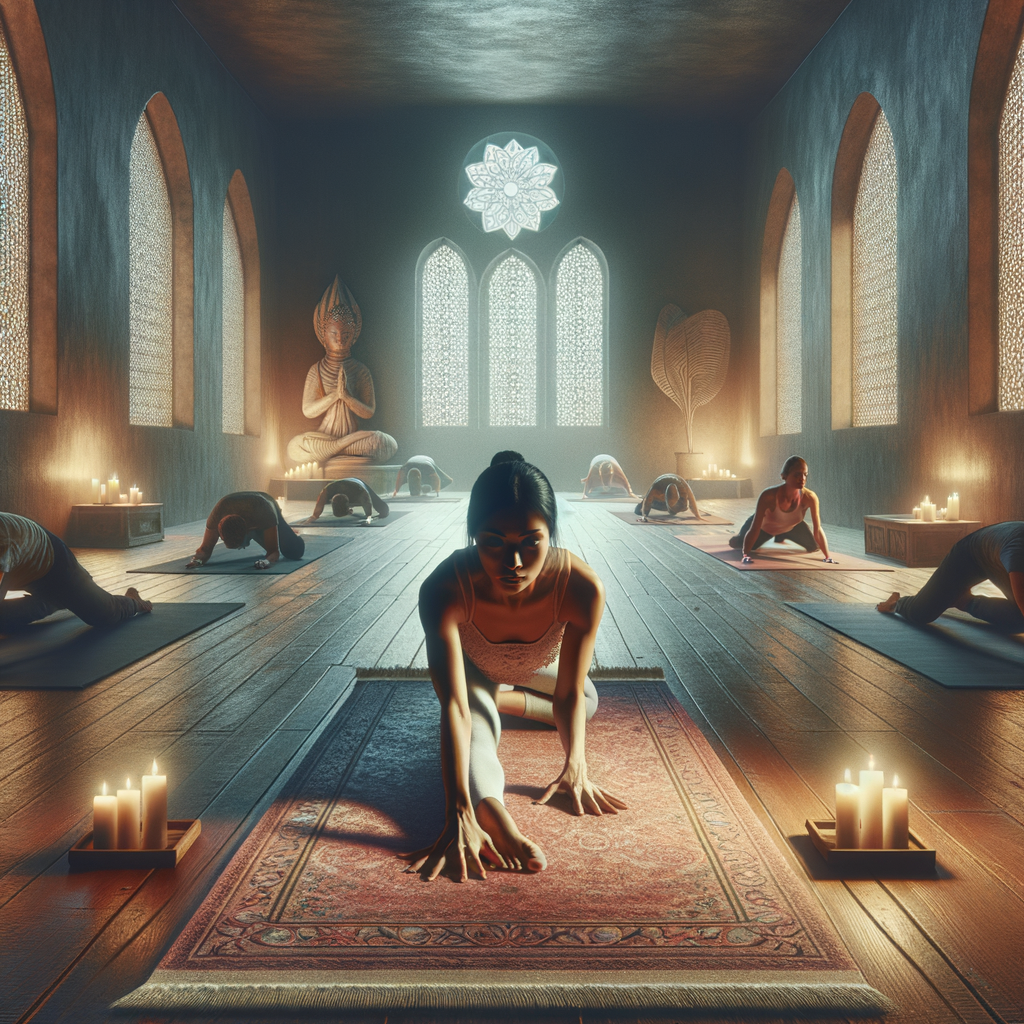
The Hidden Benefits of Practicing Yoga in the Dark
Table of Contents
Introduction
The practice of yoga has been known to provide numerous physical and mental health benefits, but there is a lesser-known aspect of yoga that can offer even more advantages – practicing yoga in the dark. This unique approach to yoga can enhance the experience by allowing individuals to focus inward, eliminate distractions, and connect with their bodies on a deeper level. The hidden benefits of practicing yoga in the dark include improved sensory awareness, increased relaxation, and a greater sense of mindfulness.Enhancing Mindfulness and Focus: The Power of Darkness in Yoga Practice
The Hidden Benefits of Practicing Yoga in the Dark Yoga is a practice that has been around for thousands of years, and its benefits are well-documented. From increased flexibility and strength to improved mental clarity and stress reduction, yoga has something to offer everyone. However, there is a lesser-known aspect of yoga that is gaining popularity among practitioners: practicing yoga in the dark. This unique approach to yoga offers a range of hidden benefits that can enhance mindfulness and focus, making it a powerful tool for those looking to deepen their practice. One of the primary benefits of practicing yoga in the dark is the heightened sense of awareness it brings. Without the visual distractions of a brightly lit room, practitioners are able to tune into their bodies and breath more deeply. This increased focus on the internal experience of yoga can lead to a more profound connection with the practice, allowing individuals to explore their physical and mental limits in a safe and supportive environment. In addition to enhancing mindfulness, practicing yoga in the dark can also help to improve concentration. With no external stimuli to distract the mind, practitioners are able to fully immerse themselves in the present moment. This can lead to a deeper sense of relaxation and a greater ability to let go of stress and anxiety. By removing the visual clutter of the outside world, individuals can create a space for themselves that is free from distractions, allowing them to focus solely on their practice. Another benefit of practicing yoga in the dark is the sense of calm and tranquility it can bring. In a world that is constantly bombarded with noise and light, finding a quiet, dark space to practice yoga can be a welcome respite. The darkness can help to create a sense of stillness and peace, allowing practitioners to connect with their inner selves and find a sense of balance and harmony. Furthermore, practicing yoga in the dark can also help to improve sleep quality. The darkness can signal to the body that it is time to wind down and prepare for rest, making it easier to fall asleep and stay asleep. This can be especially beneficial for those who struggle with insomnia or other sleep disorders, as it can help to regulate the body’s natural sleep-wake cycle. Finally, practicing yoga in the dark can also be a powerful tool for self-discovery. Without the visual cues of a mirror or other practitioners, individuals are able to focus on their own experience and explore their personal boundaries. This can lead to a greater understanding of the self and a deeper connection with one’s own body and mind. In conclusion, practicing yoga in the dark offers a range of hidden benefits that can enhance mindfulness and focus. From increased awareness and concentration to improved sleep quality and self-discovery, the power of darkness in yoga practice is undeniable. Whether you are a seasoned practitioner or new to the practice, incorporating yoga in the dark into your routine can help to deepen your experience and bring a greater sense of balance and harmony to your life.Deepening Relaxation and Stress Relief: Exploring Yoga in Low-Light Environments
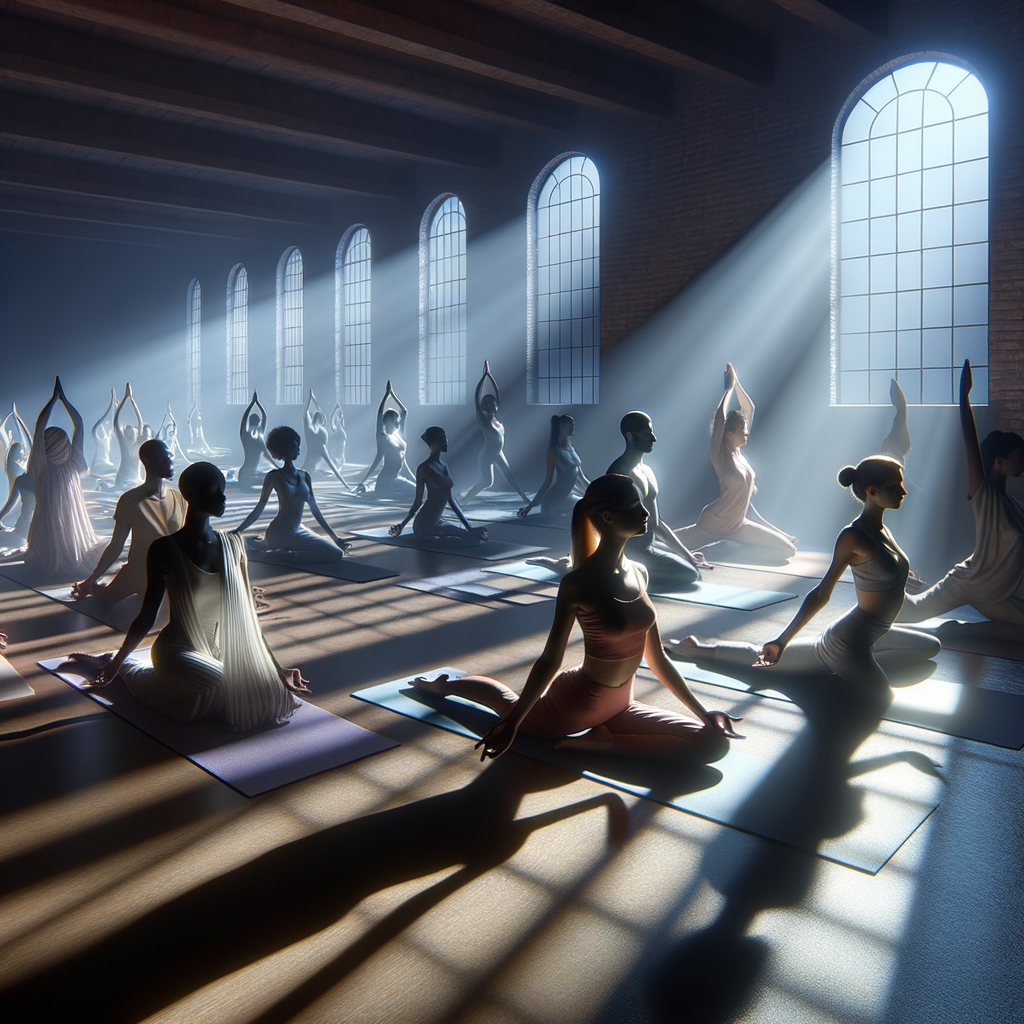
The Hidden Benefits of Practicing Yoga in the Dark Yoga is a practice that has been around for thousands of years, and its benefits are well-documented. From improving flexibility and strength to reducing stress and anxiety, yoga has become a popular form of exercise for people of all ages and abilities. However, there is a lesser-known aspect of yoga that is gaining popularity: practicing yoga in the dark. This unique approach to yoga offers a range of hidden benefits that can deepen relaxation and stress relief. Practicing yoga in low-light environments can enhance the overall experience by allowing practitioners to focus more on their internal sensations rather than external distractions. In a dimly lit room, the sense of sight is diminished, which can help individuals to tune into their bodies and breath more effectively. This heightened awareness can lead to a deeper sense of relaxation and a more profound connection to the present moment. Additionally, practicing yoga in the dark can help to reduce self-consciousness and judgment. Without the ability to see themselves or others, practitioners may feel more comfortable exploring new poses and pushing their limits without fear of judgment. This can lead to a more authentic and fulfilling practice, as individuals are able to let go of external pressures and focus solely on their own experience. Another benefit of practicing yoga in the dark is the potential for improved sleep. The low-light environment can help to regulate the body’s natural sleep-wake cycle, also known as the circadian rhythm. Exposure to bright lights, especially in the evening, can disrupt this cycle and make it more difficult to fall asleep. By practicing yoga in a dimly lit room, individuals can help to prepare their bodies for rest and improve the quality of their sleep. Furthermore, practicing yoga in the dark can also enhance the meditative aspects of the practice. The quiet and peaceful environment can help to quiet the mind and reduce stress and anxiety. This can lead to a deeper sense of calm and a greater ability to cope with the challenges of daily life. In addition to the mental and emotional benefits, practicing yoga in the dark can also have physical benefits. The low-light environment can help to reduce eye strain and headaches, which are common side effects of prolonged exposure to bright lights. This can be especially beneficial for individuals who spend a lot of time in front of screens or in brightly lit environments. Overall, practicing yoga in the dark offers a range of hidden benefits that can deepen relaxation and stress relief. By reducing external distractions and focusing on internal sensations, individuals can experience a more profound connection to their bodies and breath. The low-light environment can also help to reduce self-consciousness, improve sleep, and enhance the meditative aspects of the practice. Whether you are a seasoned yogi or a beginner, exploring yoga in low-light environments can offer a unique and rewarding experience.





Comments