

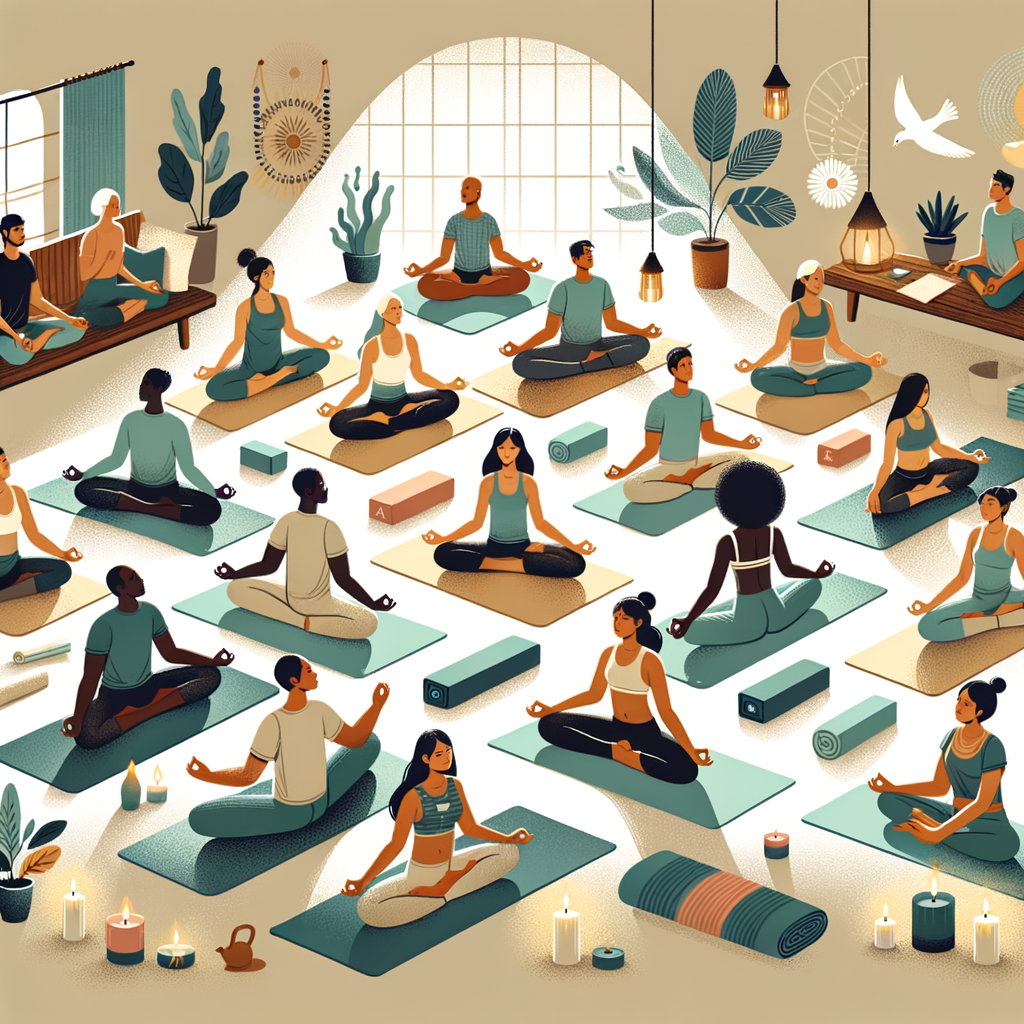
The Healing Power of Restorative Yoga
Table of Contents
Introduction
Restorative yoga is a gentle and therapeutic form of yoga that focuses on relaxation and healing. It involves the use of props such as blankets, bolsters, and blocks to support the body in passive poses, allowing for deep relaxation and release of tension. This practice is beneficial for individuals dealing with stress, anxiety, chronic pain, and other health issues, as it promotes physical and emotional healing. Restorative yoga encourages mindfulness and self-care, making it a powerful tool for overall well-being.The Benefits of Restorative Yoga for Stress Relief
The Healing Power of Restorative Yoga In today’s fast-paced world, stress has become an inevitable part of our lives. The constant pressure to perform, meet deadlines, and juggle multiple responsibilities can take a toll on our physical and mental health. Fortunately, there is a solution that can help alleviate stress and promote relaxation – restorative yoga. Restorative yoga is a gentle form of yoga that focuses on relaxation and healing. It involves holding poses for extended periods, typically with the support of props such as blankets, bolsters, and blocks. This allows the body to fully relax and release tension, while the mind can quiet down and find a sense of peace. One of the key benefits of restorative yoga is its ability to activate the parasympathetic nervous system, also known as the “rest and digest” system. This system is responsible for calming the body and mind, reducing stress hormones, and promoting a sense of well-being. By activating this system, restorative yoga can help lower blood pressure, reduce anxiety, and improve sleep quality. Restorative yoga is also beneficial for those who suffer from chronic pain or illness. The gentle, supported poses can help alleviate discomfort and promote healing. By allowing the body to rest and recover, restorative yoga can help improve overall health and vitality. In addition to its physical benefits, restorative yoga can also have a positive impact on mental health. The practice encourages mindfulness and self-awareness, helping individuals to connect with their inner selves and find a sense of calm. This can be especially helpful for those who struggle with anxiety or depression, as it provides a safe space to process emotions and find relief. Restorative yoga is accessible to everyone, regardless of age or fitness level. The use of props makes it easy to modify poses to suit individual needs, and the slow pace of the practice allows for a gentle introduction to yoga. Whether you are a seasoned yogi or a beginner, restorative yoga can provide a much-needed break from the stresses of daily life. Incorporating restorative yoga into your routine can be as simple as setting aside a few minutes each day to practice. You can start with just one or two poses, focusing on deep breathing and relaxation. As you become more comfortable with the practice, you can gradually add more poses and extend the duration of your sessions. Overall, restorative yoga offers a powerful tool for stress relief and healing. By allowing the body and mind to rest and recover, it can help improve physical and mental health, promote relaxation, and enhance overall well-being. So if you’re feeling overwhelmed by stress, consider giving restorative yoga a try – your body and mind will thank you.How Restorative Yoga Can Improve Sleep Quality

The Healing Power of Restorative Yoga Restorative yoga is a gentle and calming practice that focuses on relaxation and healing. It is a form of yoga that uses props such as blankets, bolsters, and blocks to support the body in various poses, allowing for deep relaxation and stress relief. This practice has been shown to have numerous benefits, including improved sleep quality. Sleep is an essential part of our overall health and well-being. It is during sleep that our bodies repair and rejuvenate themselves. However, many people struggle with getting a good night’s rest due to stress, anxiety, and other factors. Restorative yoga can help to alleviate these issues and improve sleep quality. One of the ways that restorative yoga can improve sleep is by activating the parasympathetic nervous system, also known as the “rest and digest” system. This system is responsible for calming the body and mind, and it is activated through deep breathing and relaxation techniques used in restorative yoga. When the parasympathetic nervous system is activated, the body is able to relax and prepare for sleep. Restorative yoga also helps to reduce stress and anxiety, which are common causes of sleep disturbances. The practice encourages mindfulness and being present in the moment, which can help to quiet the mind and reduce racing thoughts that can keep us awake at night. By focusing on the breath and the sensations in the body, restorative yoga can help to calm the mind and promote a sense of peace and tranquility. In addition to reducing stress and anxiety, restorative yoga can also help to alleviate physical tension in the body. Many of us hold tension in our muscles, which can lead to discomfort and pain that can interfere with sleep. Restorative yoga poses are designed to gently stretch and release tension in the muscles, allowing for a more comfortable and restful sleep. Furthermore, restorative yoga can help to regulate the body’s natural sleep-wake cycle, also known as the circadian rhythm. By practicing restorative yoga in the evening, we can signal to our bodies that it is time to wind down and prepare for sleep. This can help to regulate our sleep patterns and improve the overall quality of our sleep. In conclusion, restorative yoga is a powerful tool for improving sleep quality. By activating the parasympathetic nervous system, reducing stress and anxiety, alleviating physical tension, and regulating the sleep-wake cycle, restorative yoga can help us to get the restful and rejuvenating sleep that we need. Whether you are struggling with insomnia or simply looking to improve the quality of your sleep, restorative yoga is a practice worth exploring.





Comments