


The Benefits of Family Therapy: Healing Relationships and Patterns
Table of Contents
Introduction
Family therapy is a form of psychotherapy that focuses on improving communication and resolving conflicts within a family unit. It can be beneficial for families dealing with a variety of issues, including mental health disorders, addiction, and behavioral problems. Family therapy can help family members understand each other better, develop healthier coping mechanisms, and break negative patterns of behavior. It can also strengthen the family bond and improve overall family functioning. By addressing the underlying issues that contribute to family dysfunction, family therapy can lead to lasting positive change and healthier relationships.Understanding the Impact of Family Dynamics on Individual Well-being
Family therapy is a form of psychotherapy that focuses on the relationships and patterns within a family unit. It is based on the idea that the family is a system, and that each member of the family affects and is affected by the others. Family therapy can be an effective way to address a wide range of issues, from communication problems to mental health disorders. One of the key benefits of family therapy is that it can help to heal relationships within the family. When family members are in conflict, it can be difficult to communicate effectively and resolve issues. Family therapy provides a safe and supportive environment where family members can express their feelings and work through their differences. By improving communication and understanding, family therapy can help to strengthen the bonds between family members and create a more harmonious family dynamic. Another benefit of family therapy is that it can help to identify and change negative patterns of behavior. Families often develop patterns of interaction that can be harmful or dysfunctional. For example, a parent may be overly critical of a child, leading to feelings of inadequacy and low self-esteem. Or, a sibling rivalry may escalate to the point where it is damaging the relationship between the siblings. Family therapy can help to identify these patterns and work with the family to develop healthier ways of interacting. Family therapy can also be beneficial for individuals who are struggling with mental health issues. Mental health disorders can have a significant impact on the family as a whole. For example, a family member with depression may withdraw from family activities, leading to feelings of isolation and disconnection. Family therapy can help to address the impact of mental health issues on the family and provide support for both the individual and the family as a whole. In addition to these benefits, family therapy can also help to improve overall well-being. When family relationships are healthy and supportive, individuals are more likely to feel secure and confident. This can lead to improved mental health, better physical health, and a greater sense of overall well-being. Family therapy can also help to prevent future problems by teaching family members how to communicate effectively and resolve conflicts in a healthy way. Overall, family therapy can be a powerful tool for healing relationships and patterns within a family. It can help to improve communication, identify and change negative patterns of behavior, and provide support for individuals struggling with mental health issues. By addressing the impact of family dynamics on individual well-being, family therapy can help to create a more harmonious and supportive family environment. Whether you are dealing with a specific issue or simply want to improve your family relationships, family therapy can be a valuable resource for achieving a healthier and happier family life.Strengthening Communication Skills for Healthier Family Interactions
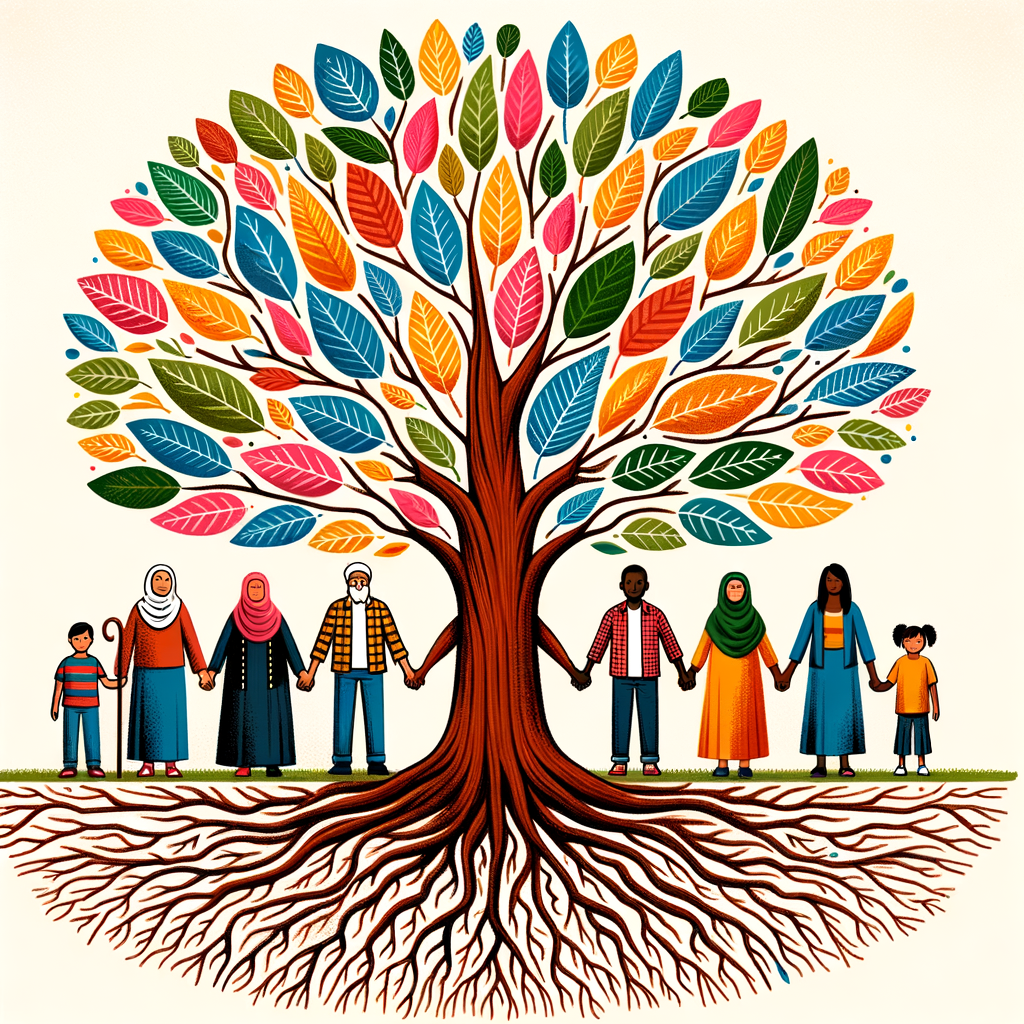
Family therapy is a form of psychotherapy that focuses on improving the relationships and interactions within a family unit. It is a powerful tool for healing and strengthening family bonds, as it addresses the underlying patterns and dynamics that contribute to conflict and dysfunction. One of the key benefits of family therapy is the development of stronger communication skills, which are essential for healthier family interactions. Communication is the foundation of any relationship, and it is especially important within a family. When communication breaks down, it can lead to misunderstandings, resentment, and conflict. Family therapy provides a safe and supportive environment for family members to express their thoughts and feelings, and to learn how to communicate more effectively with one another. Through therapy, families can develop new ways of talking and listening to each other, which can lead to a deeper understanding and greater empathy. One of the main goals of family therapy is to help family members identify and change negative communication patterns. These patterns may include blaming, criticizing, or avoiding difficult conversations. By recognizing these patterns, families can work together to develop more positive ways of communicating. This may involve learning how to express emotions in a healthy way, setting boundaries, and practicing active listening. By improving communication skills, families can reduce conflict and create a more harmonious and supportive home environment. Family therapy also helps families to understand the impact of their communication on one another. For example, a parent’s critical comments may be internalized by a child, leading to low self-esteem and negative self-talk. By exploring these dynamics in therapy, families can learn how to communicate in a way that is more supportive and affirming. This can lead to improved self-esteem and confidence for all family members, as well as a stronger sense of connection and belonging. In addition to improving communication skills, family therapy can also help families to break free from unhealthy patterns of behavior. These patterns may be passed down from generation to generation, and can be difficult to change without professional help. Family therapy provides a space for families to explore these patterns and to develop new, healthier ways of relating to one another. This can lead to lasting change and a more positive family dynamic. Overall, the benefits of family therapy are numerous. By strengthening communication skills, families can create a more supportive and loving environment, where each member feels heard and valued. This can lead to improved mental health and well-being for all family members, as well as a stronger, more resilient family unit. Whether a family is dealing with a specific issue, such as addiction or mental illness, or simply wants to improve their relationships, family therapy can provide the tools and support needed to heal and grow together.



Comments